Green Sand Casting & CNC Machining Case Study
Background
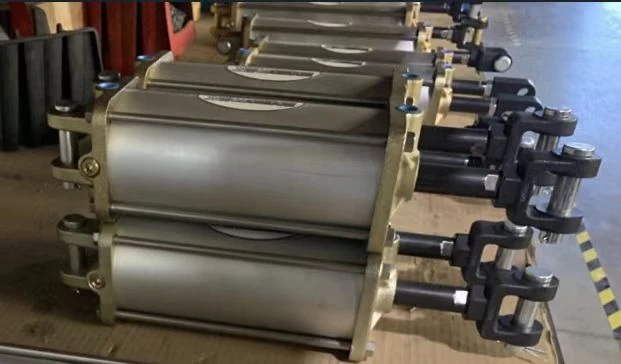
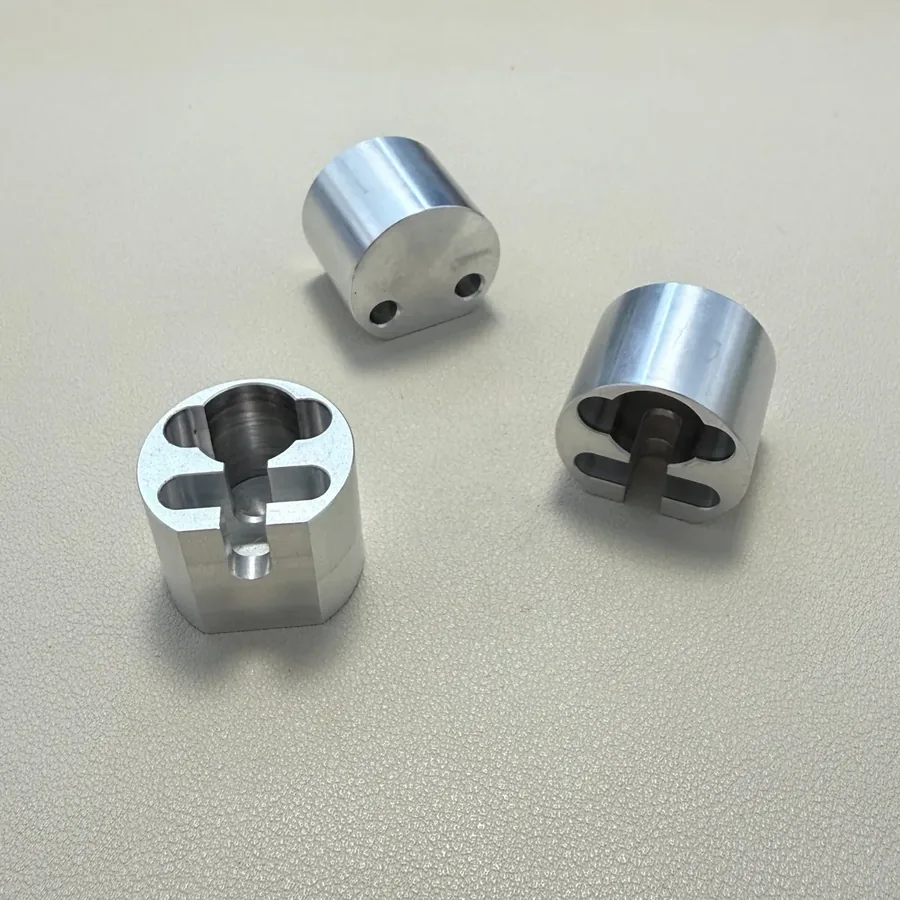
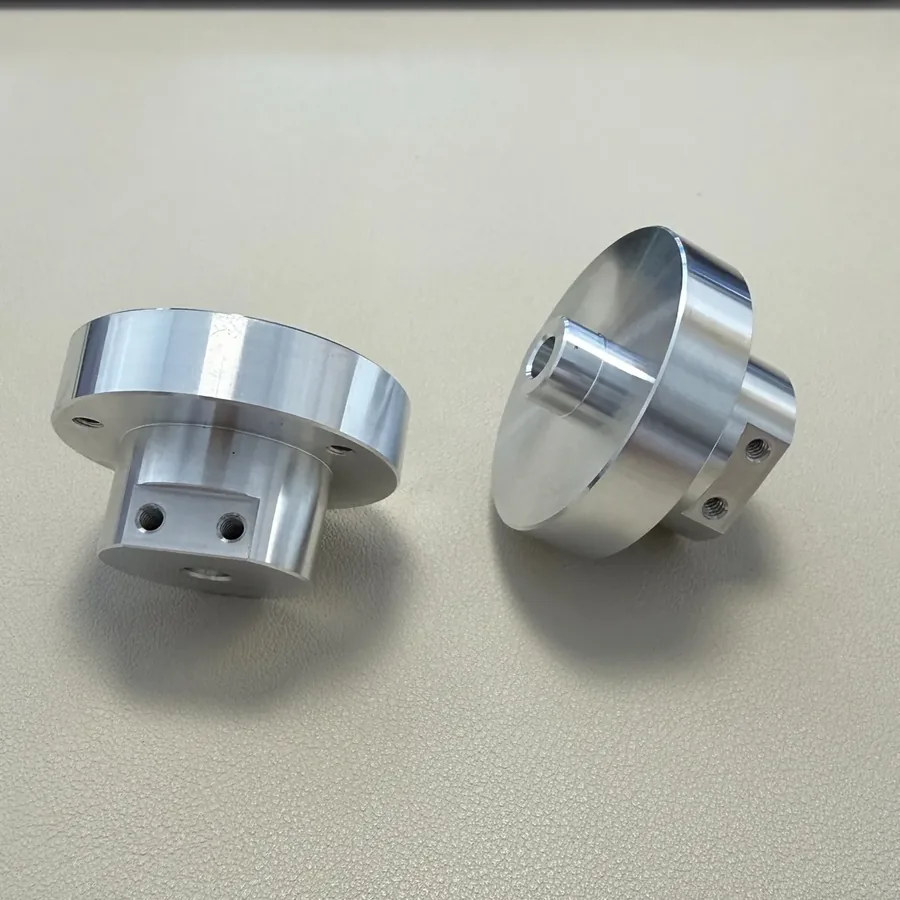
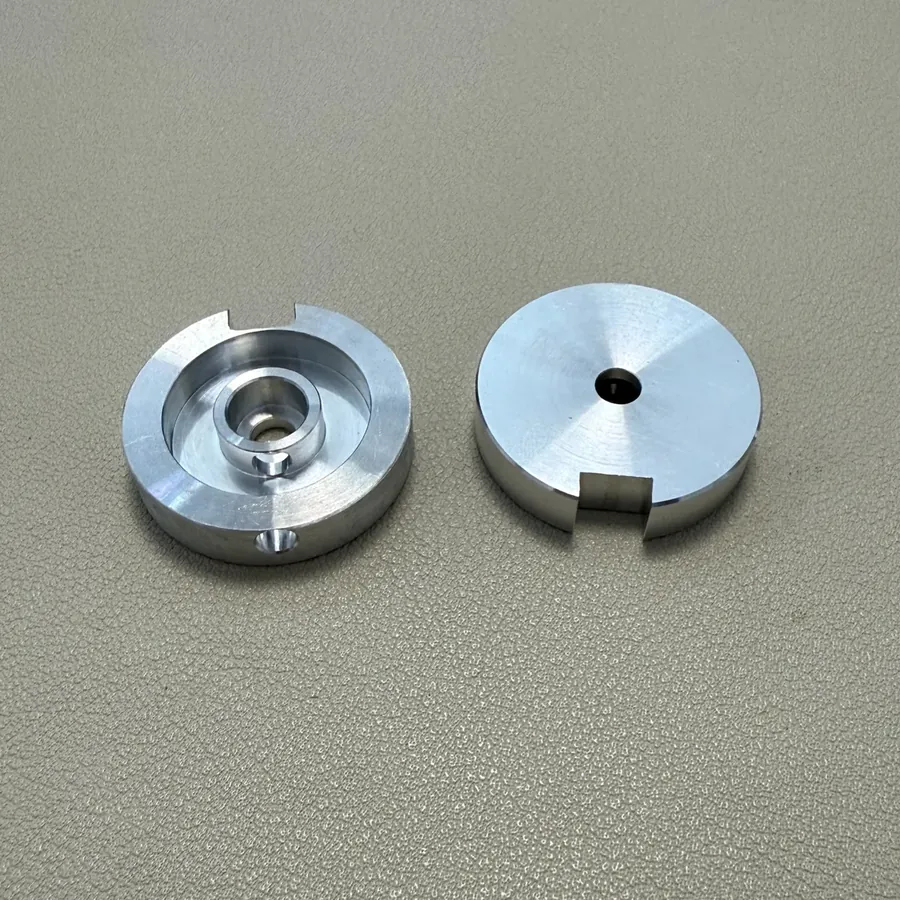
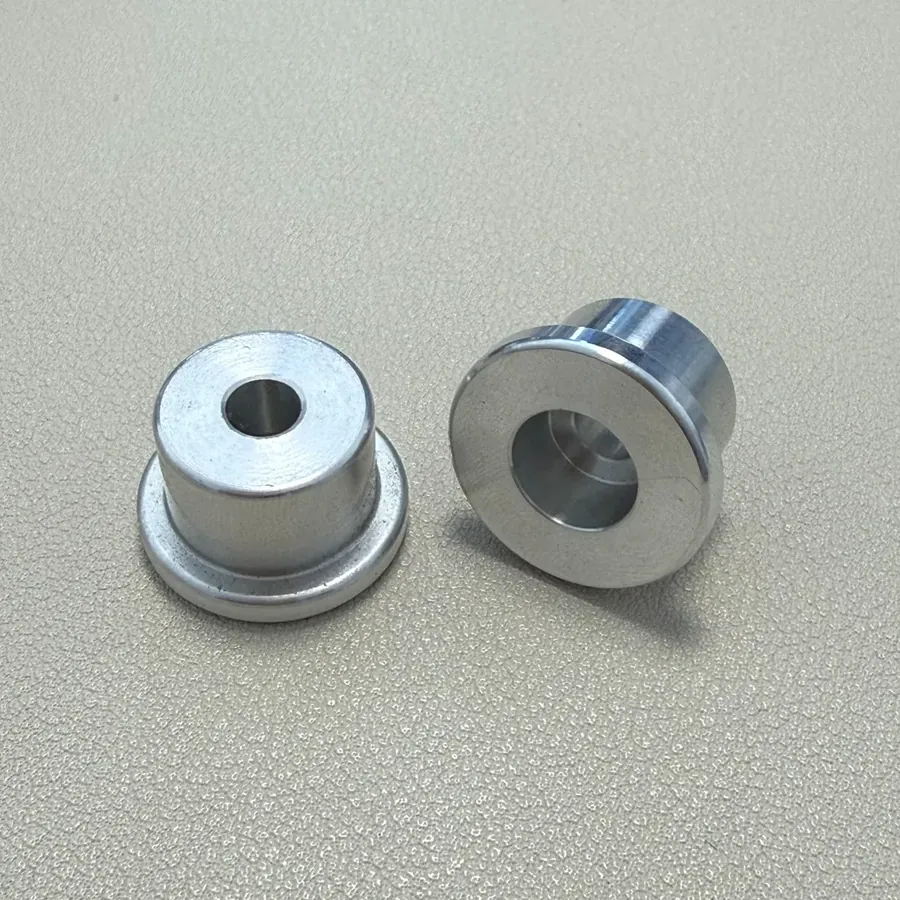
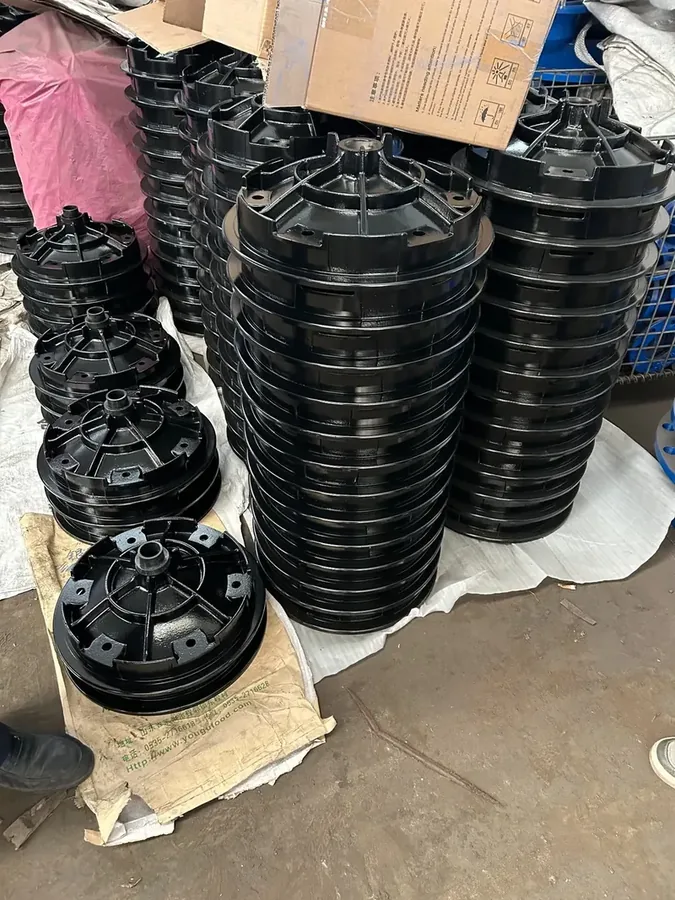
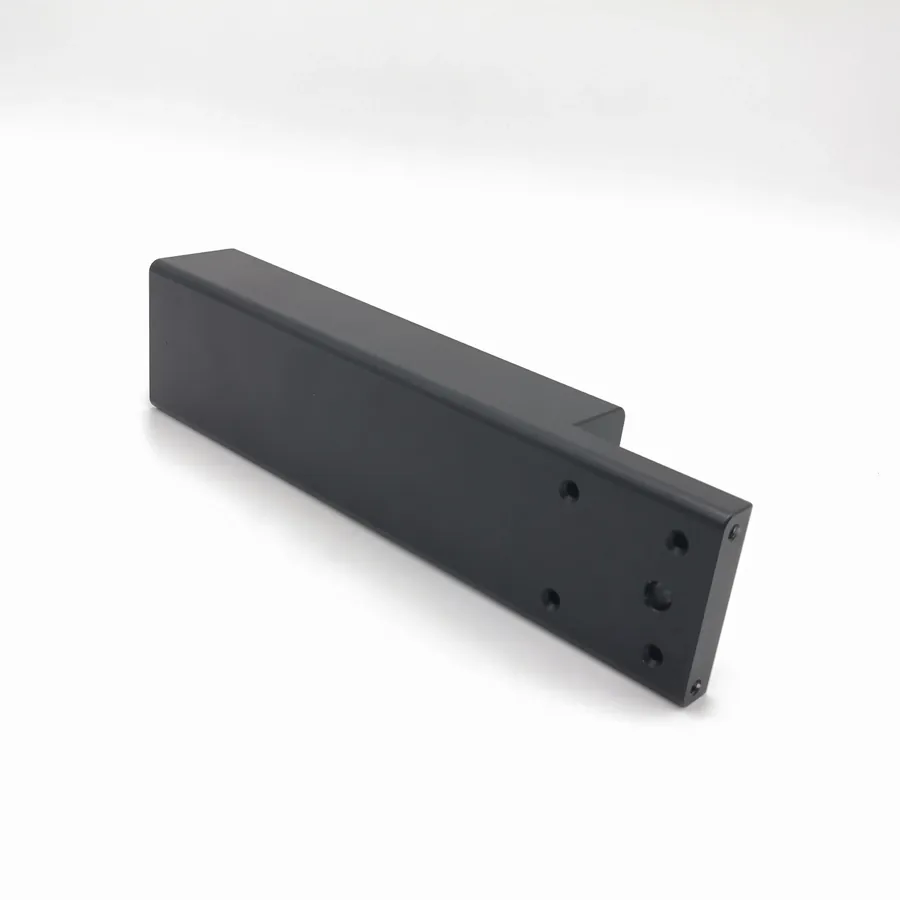
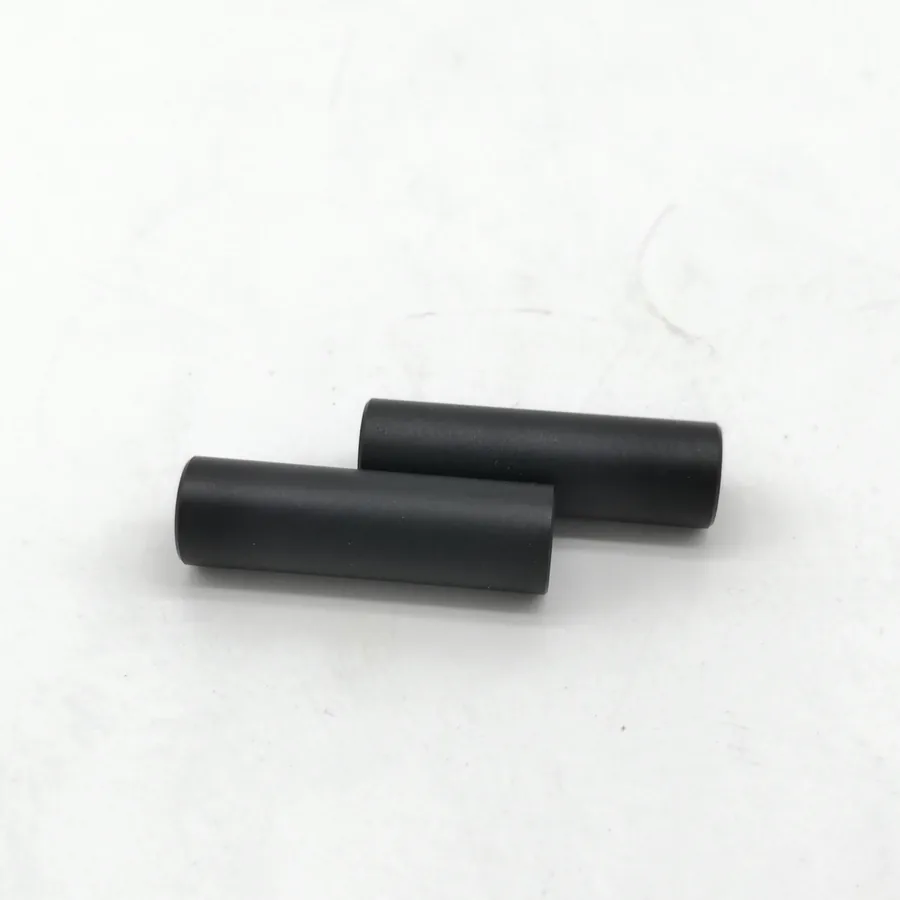
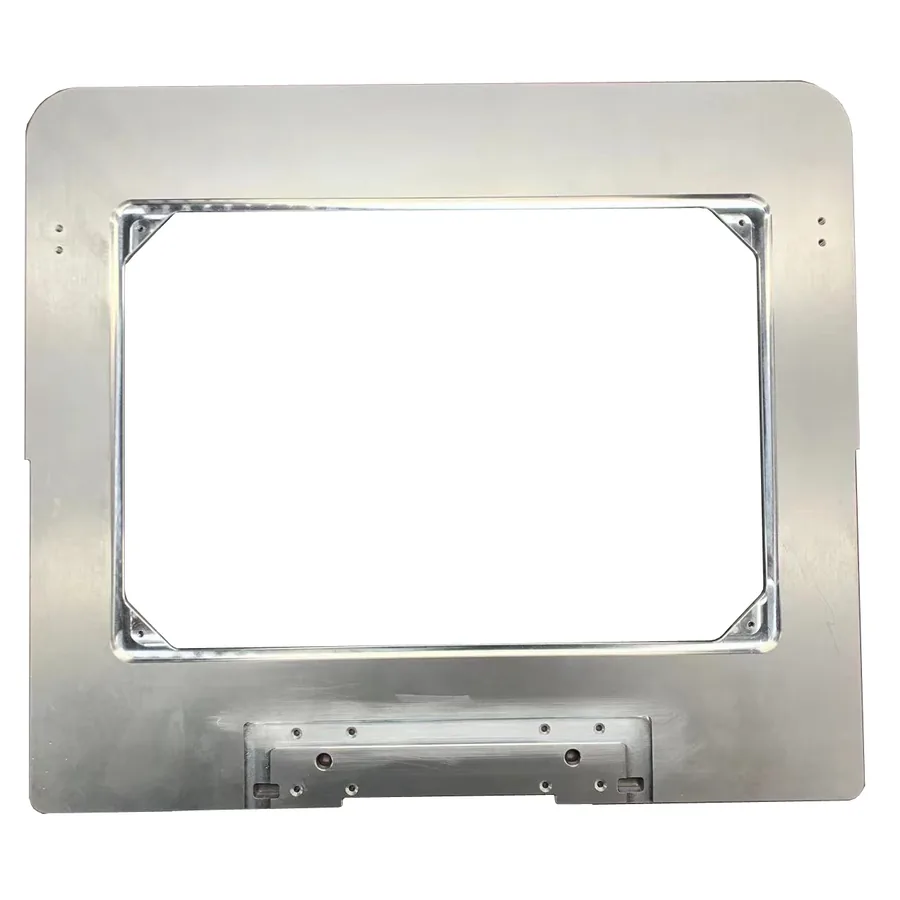
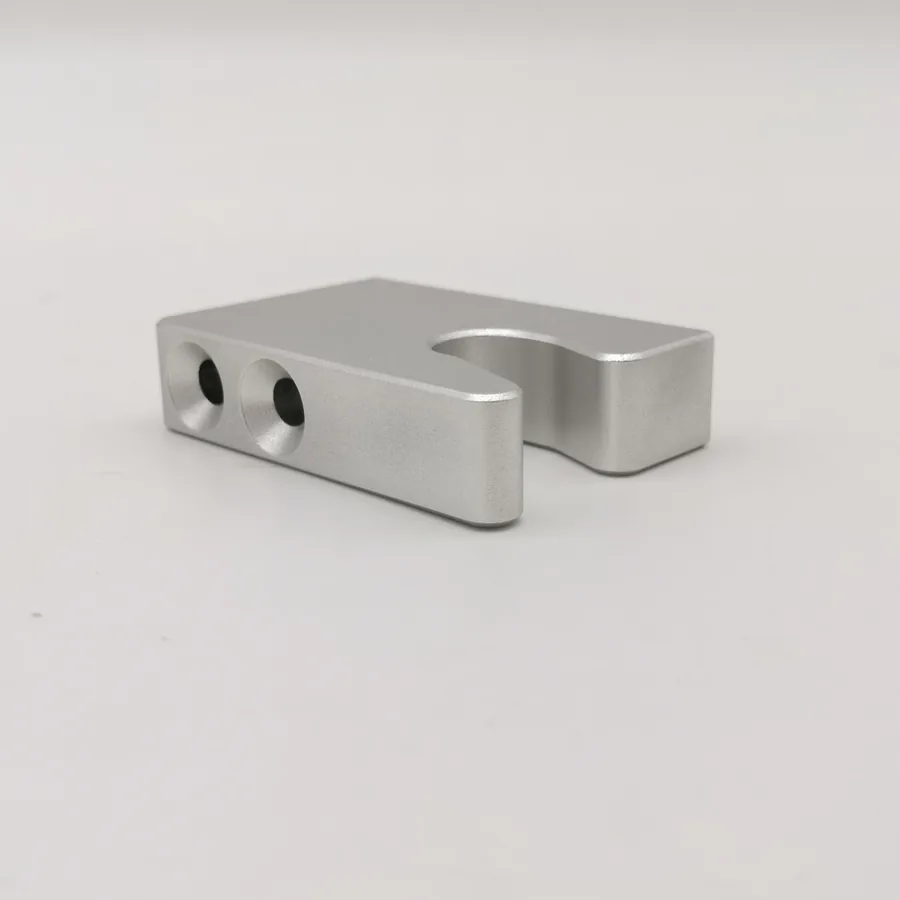
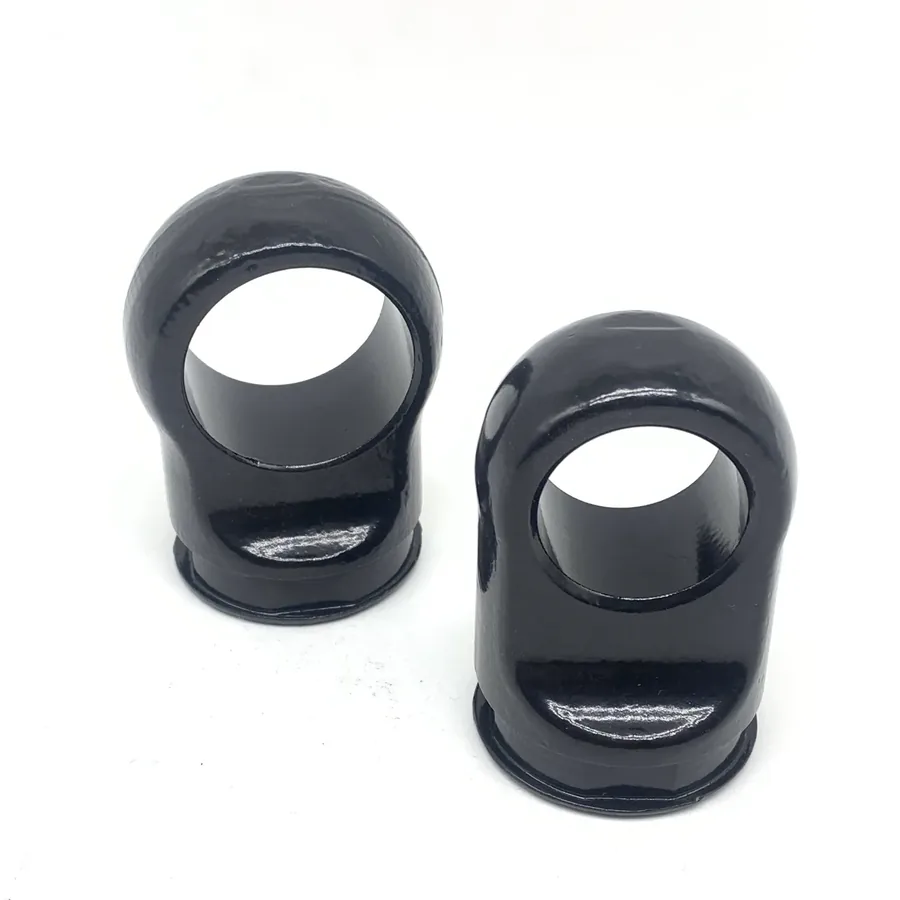
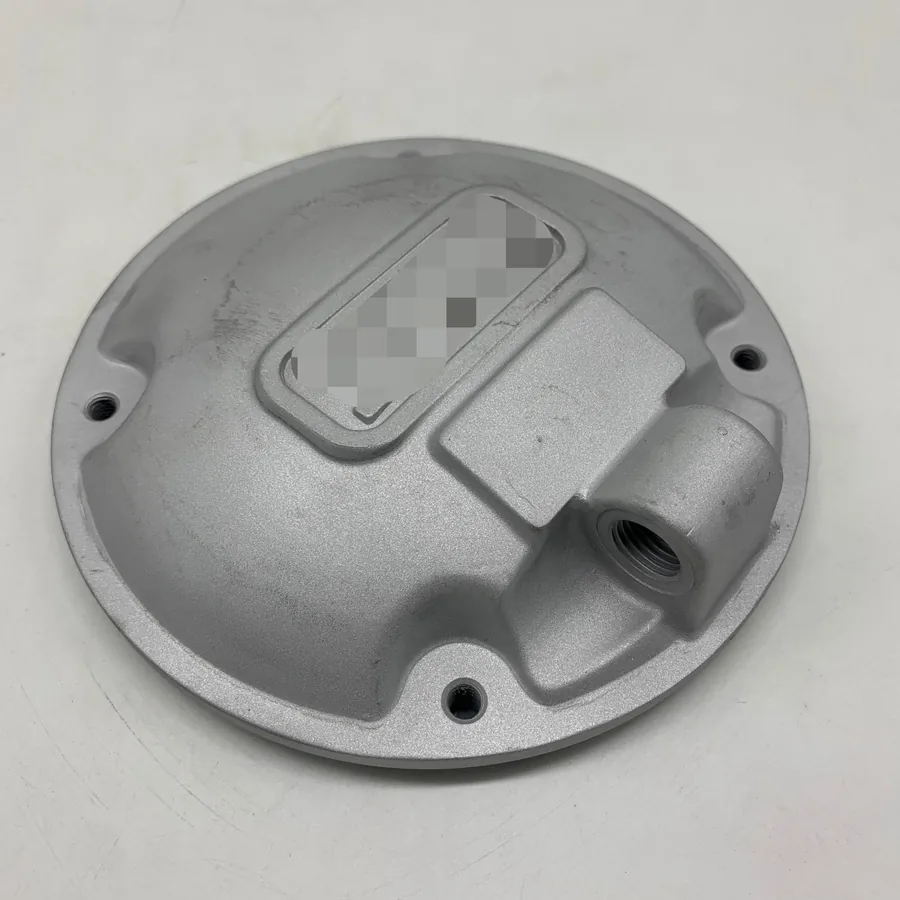
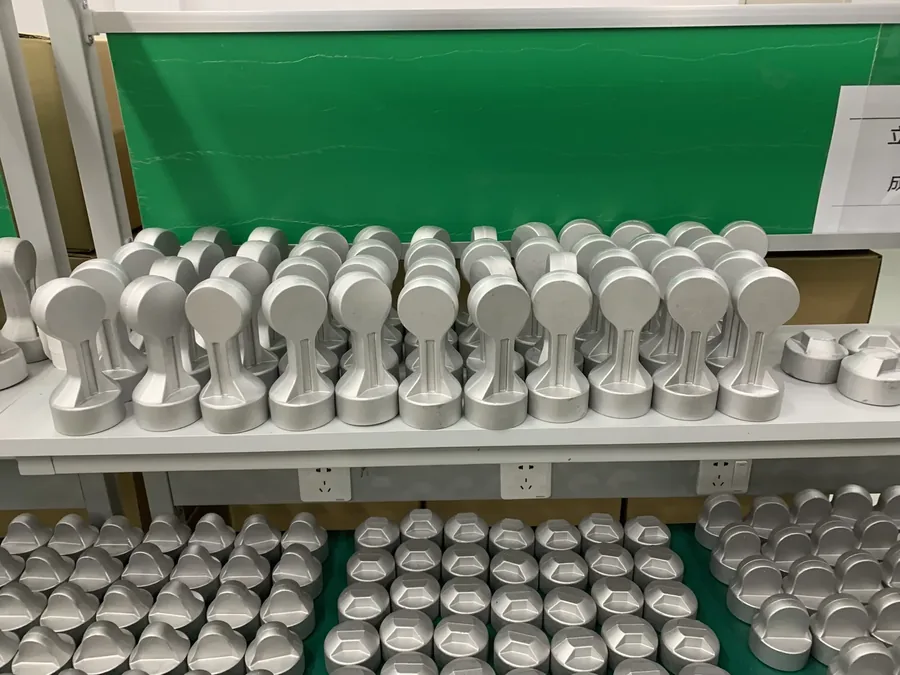
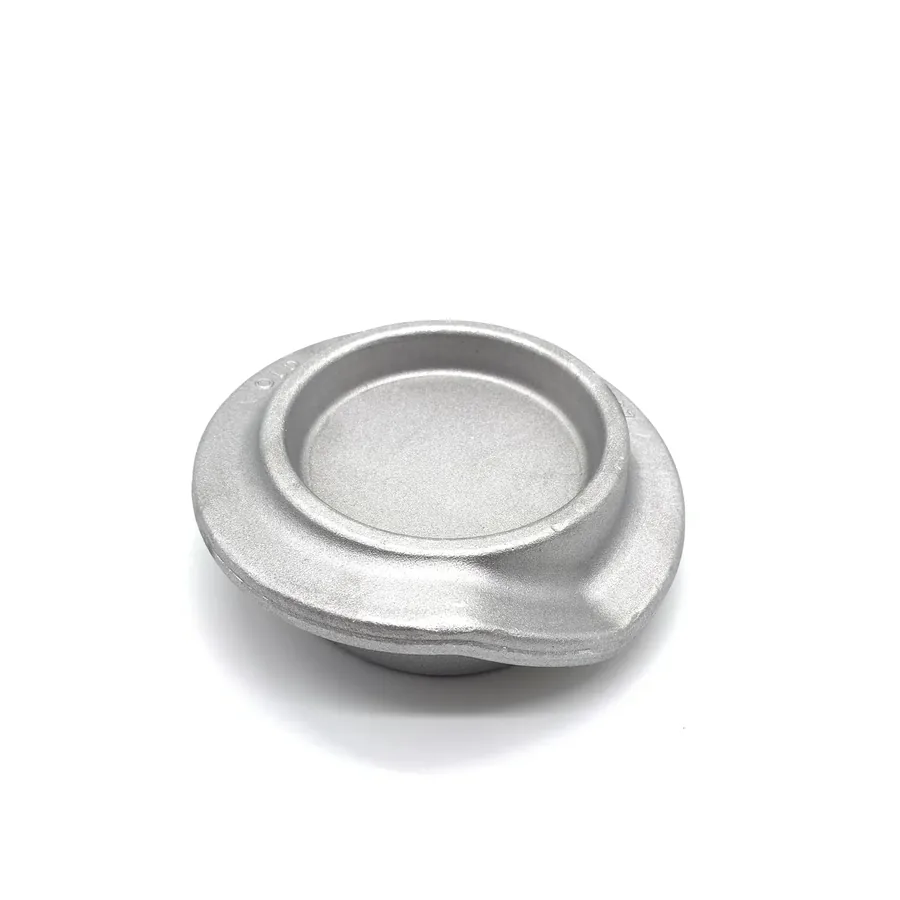
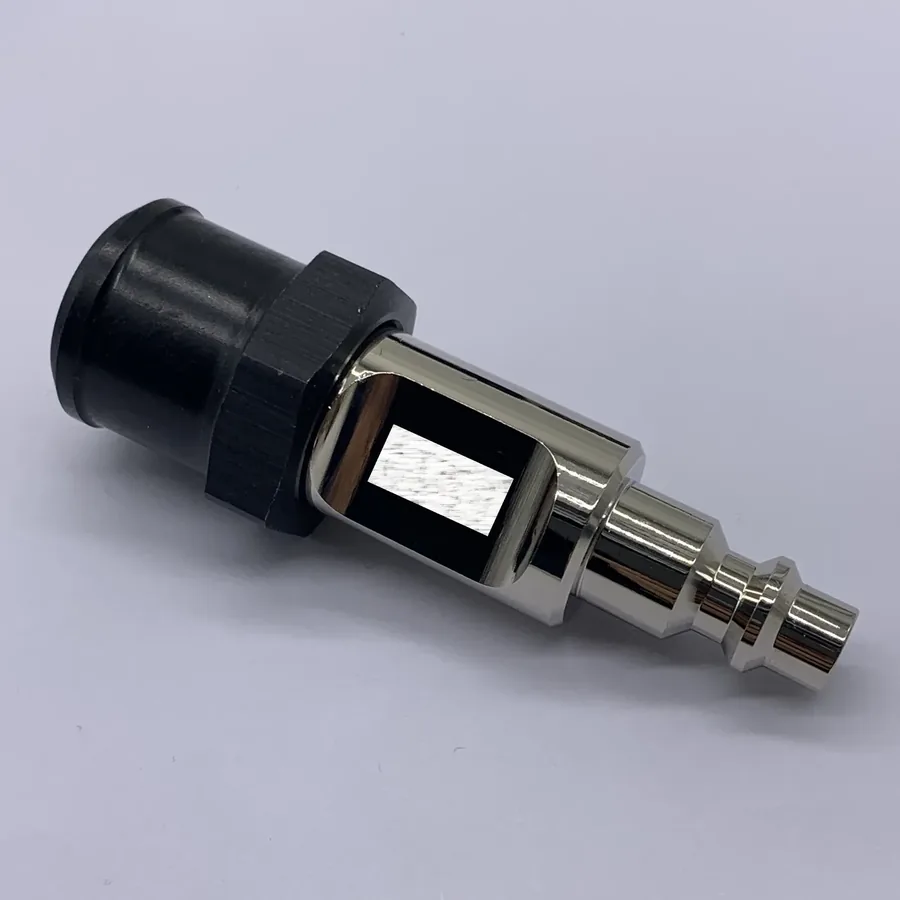
This project covers a recurring hydraulic cylinder component family rather than a single isolated part. The main cast-and-machined items are hydraulic cylinder heads and caps, supported by clevis / fork-end components, matching pins, and brass plugs used with the same cylinder assemblies.
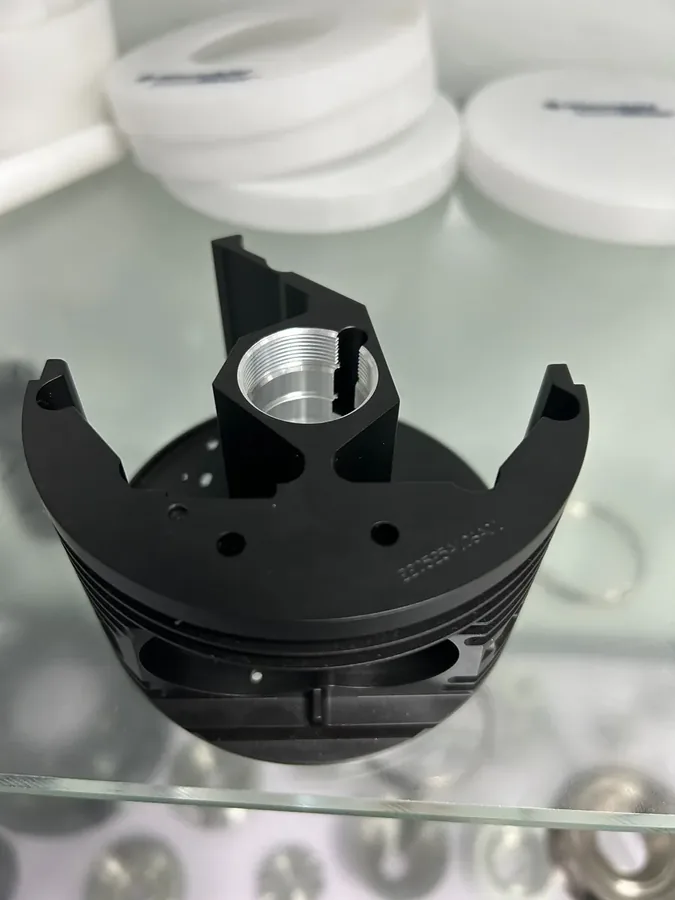
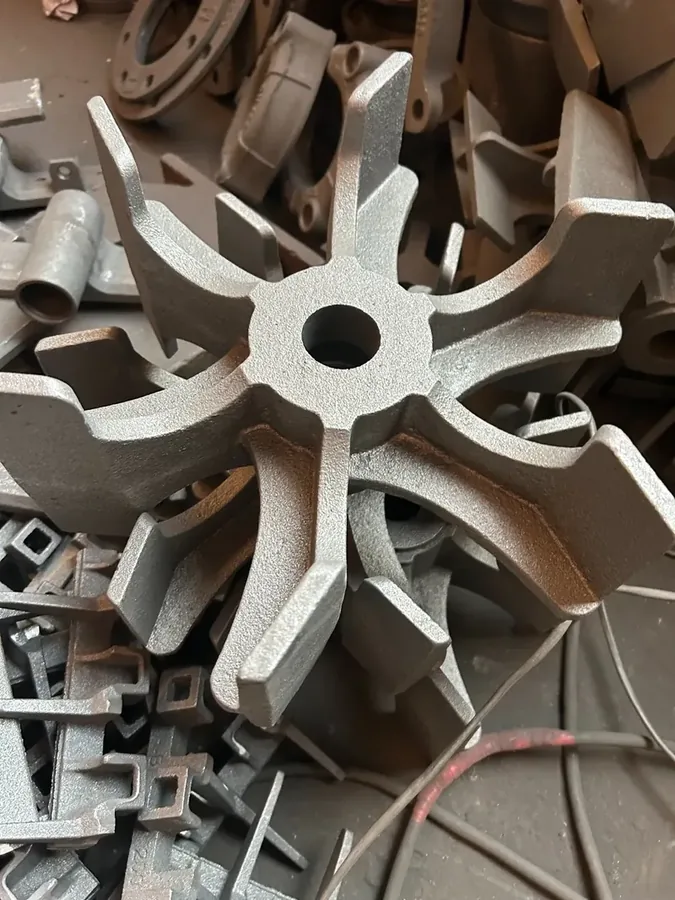
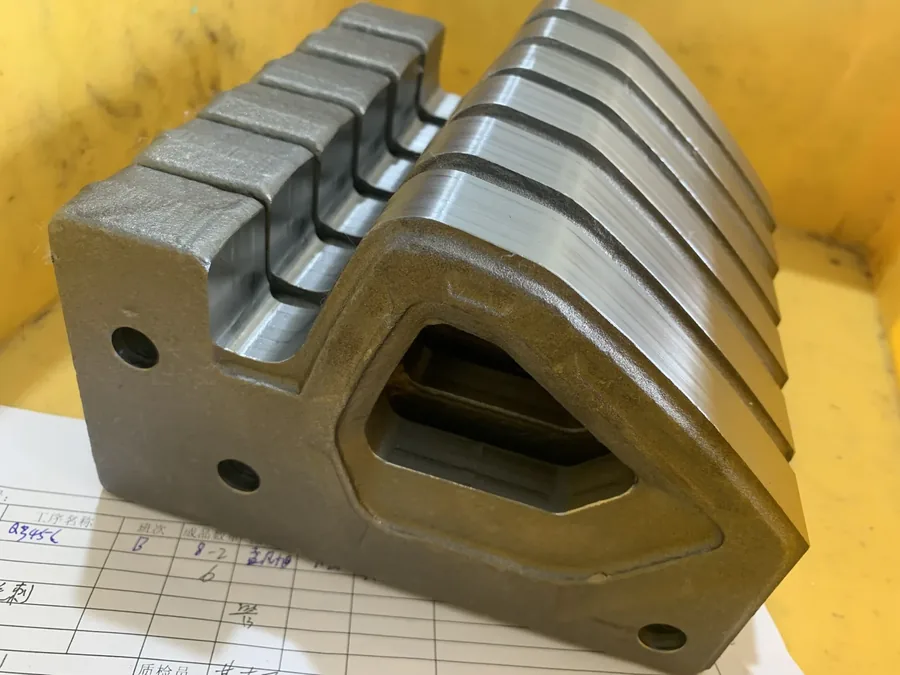
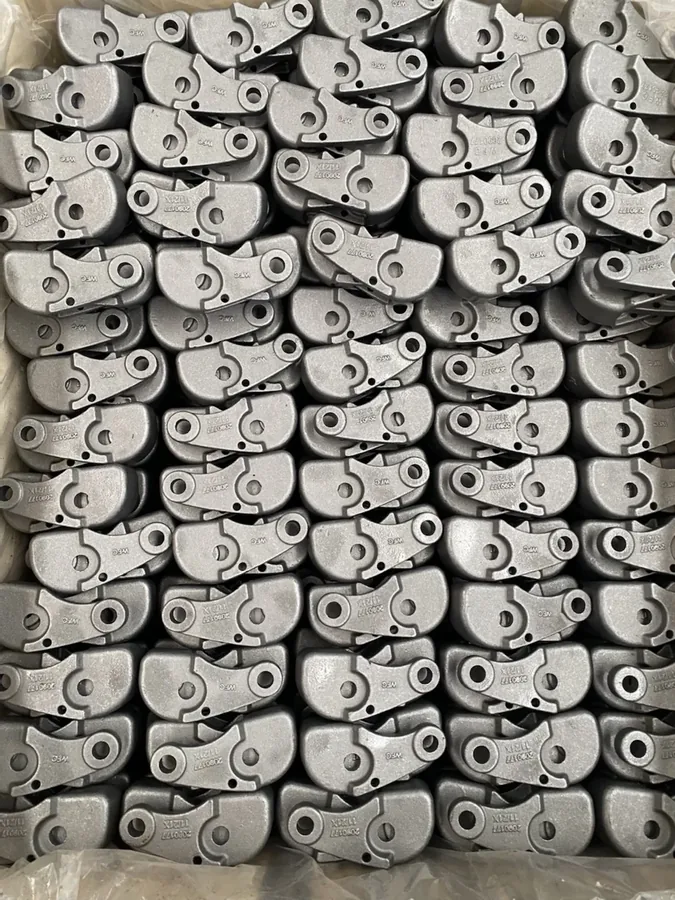
The heads, caps and related cast bodies are produced through a conventional green sand casting route using clay-bonded molding sand, followed by substantial CNC machining. Sealing faces, bores, bolt patterns, pin interfaces and threaded features are machined after casting so the finished components can fit and function reliably in the final hydraulic cylinder assembly.
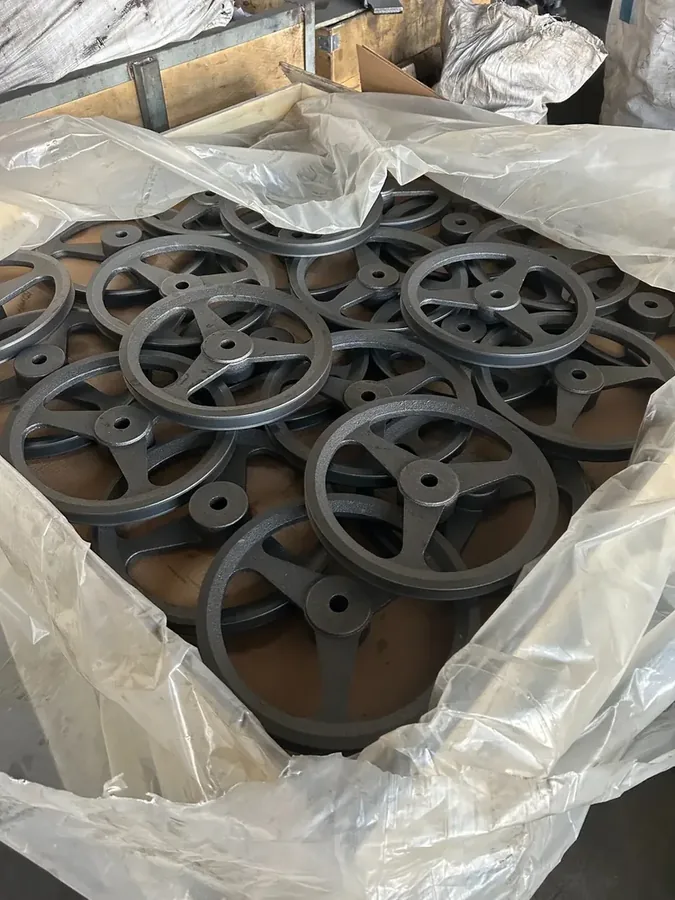
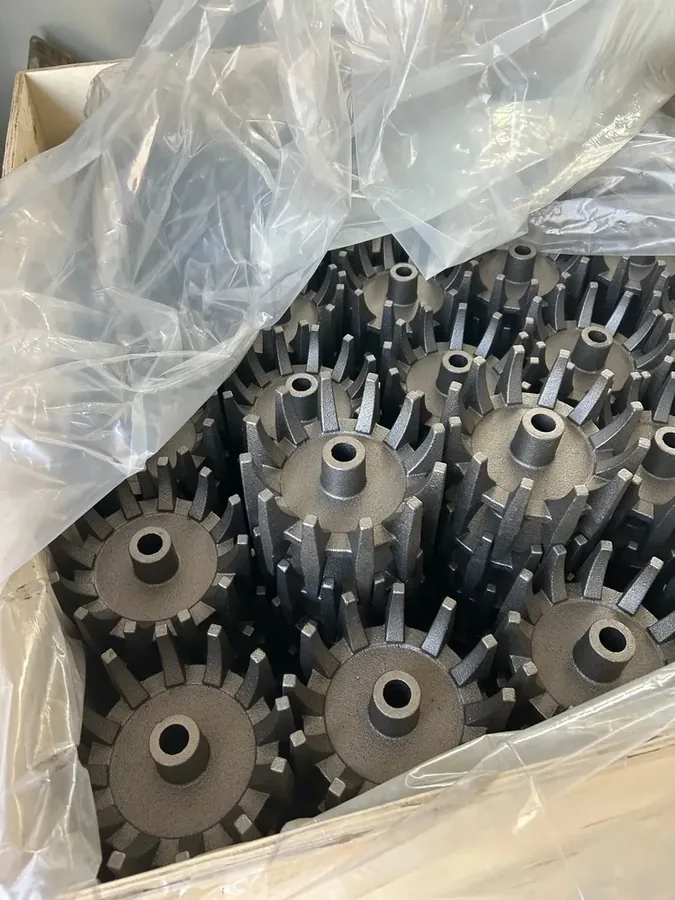
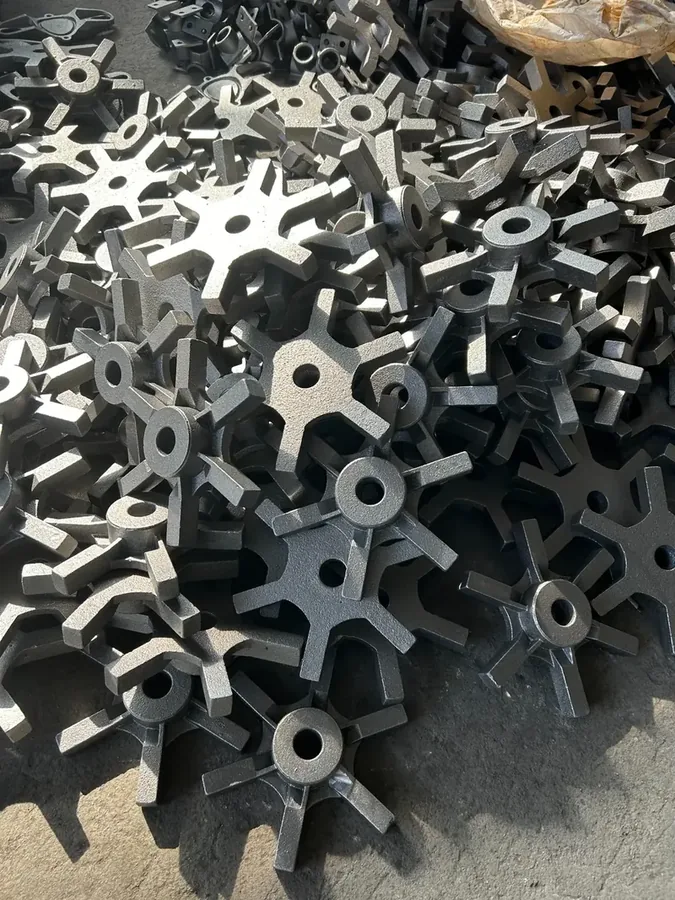
Customer identity is intentionally omitted, but the photos below show a real repeat-production program from green sand foundry work through CNC-machined finished parts and final cylinder assembly.
The Challenge
The challenge is not the basic green sand casting process by itself. The commercial value comes from combining an economical casting route with disciplined CNC machining. Hydraulic cylinder heads and caps contain functional bores, sealing faces and mounting features that must remain consistent after the raw casting is cleaned and located for machining.
The program also has to work as a family. Heads, caps, clevises, pins and brass plugs are related parts that need to remain manufacturable across recurring batches. Foundry consistency, fixture planning and machining repeatability therefore matter more than treating each component as a one-off job.
Our Approach
We treated the work as a coordinated green sand casting + CNC machining program. Dedicated tooling establishes the basic casting geometry, the sand molds are prepared for repeat pouring, and the heads and caps are then machined from controlled datums to establish the critical bores, faces, bolt patterns and threaded interfaces.
From Green Sand Casting to CNC-Machined Hydraulic Cylinder Components
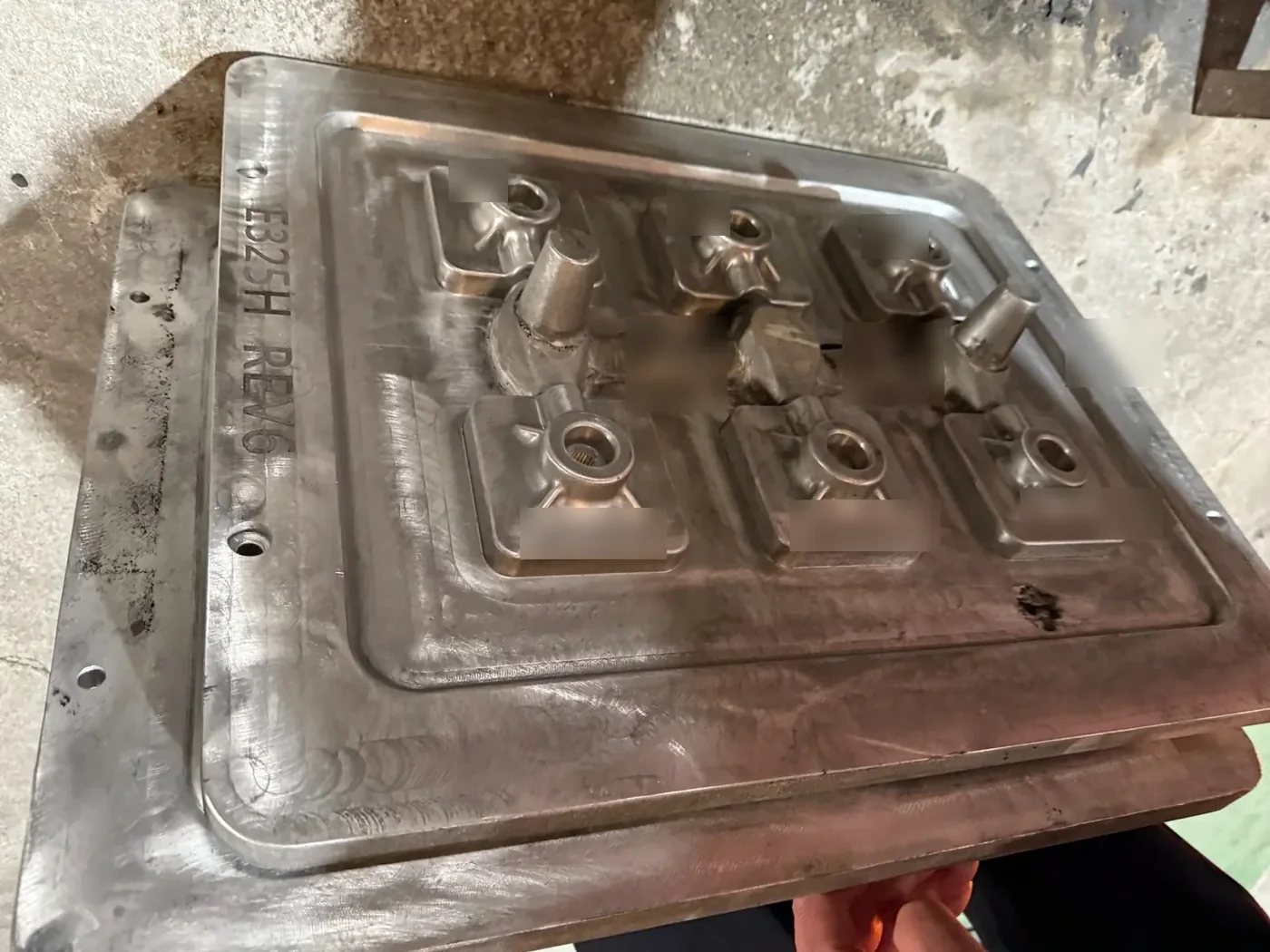
Prepare repeat foundry tooling
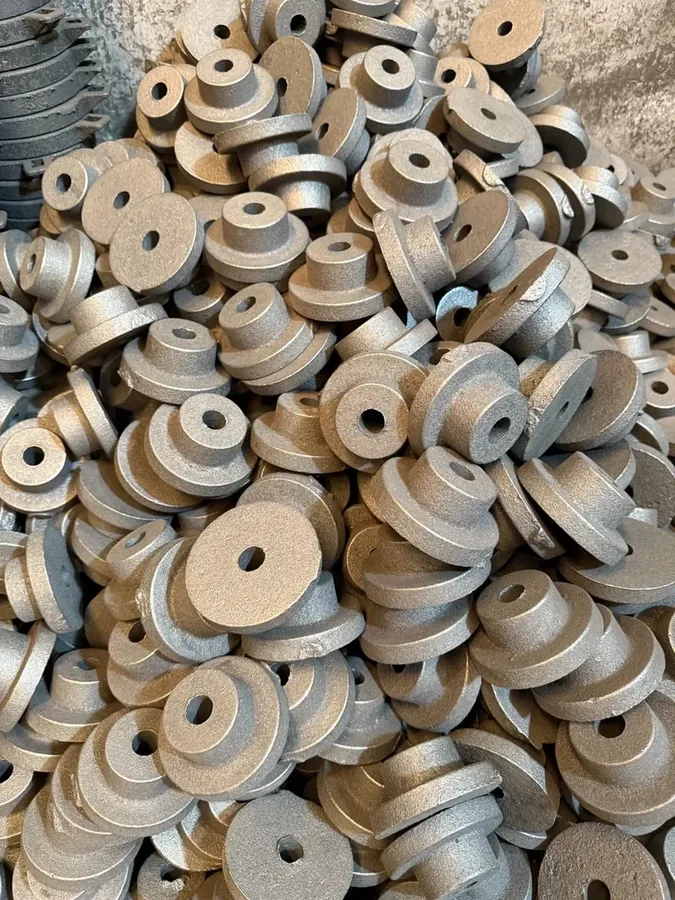
Dedicated tooling establishes repeatable raw geometry for the hydraulic cylinder heads and caps before molding begins.
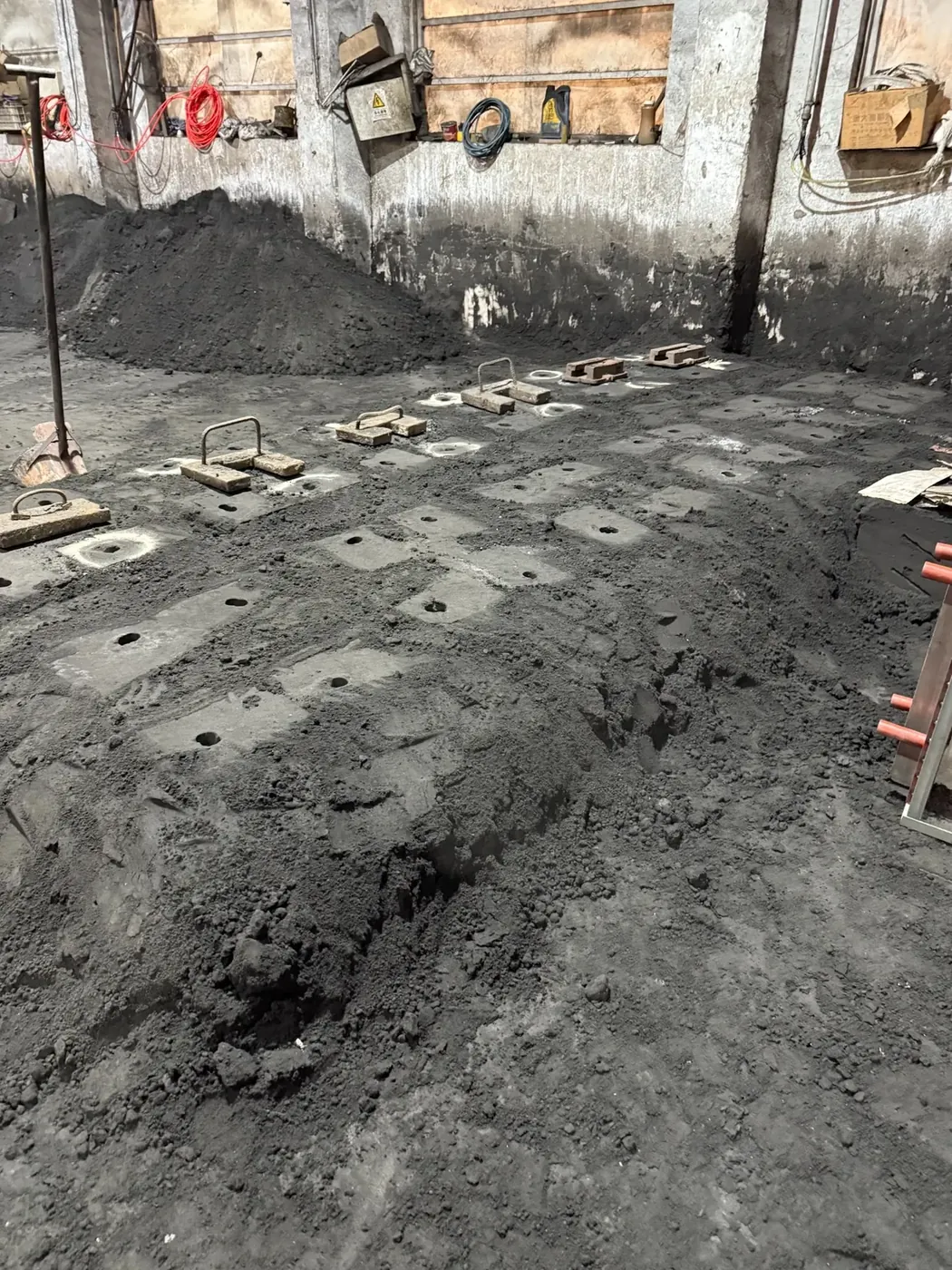
Green sand molding & casting
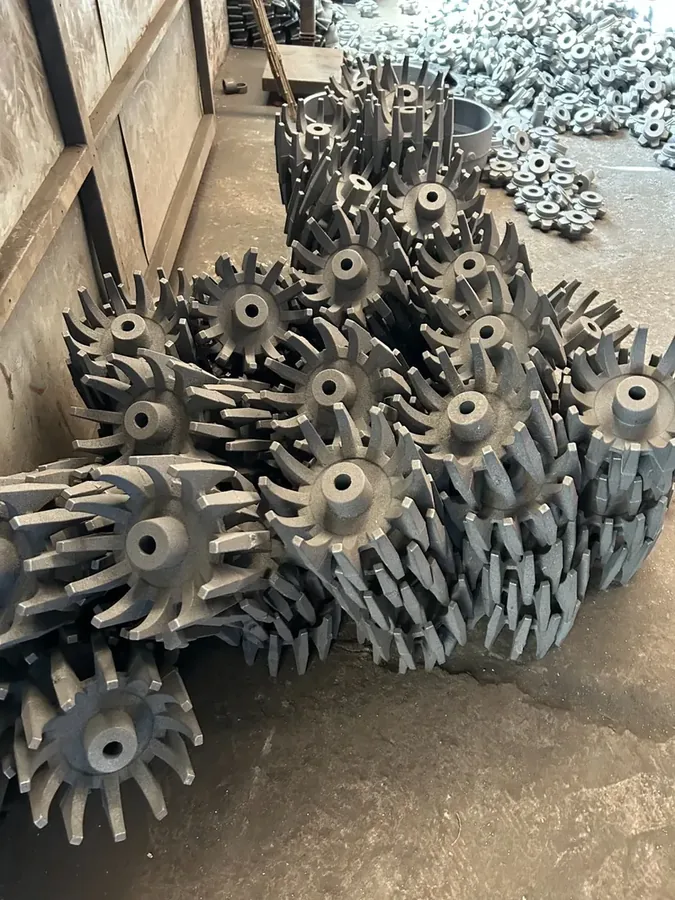
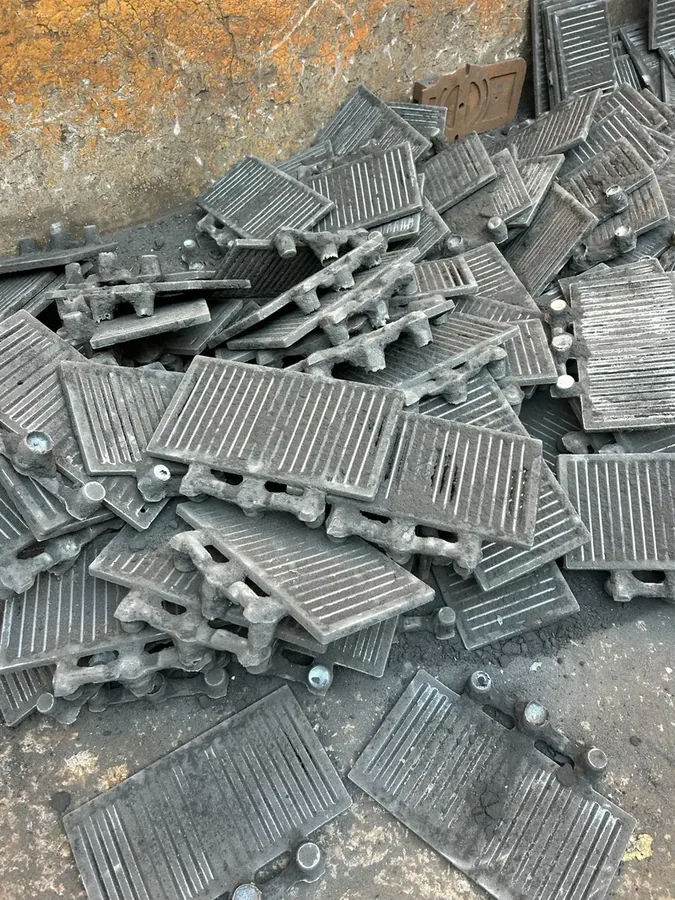
Clay-bonded green sand molds provide an economical route for recurring cast-iron components while leaving machining stock on the functional areas.
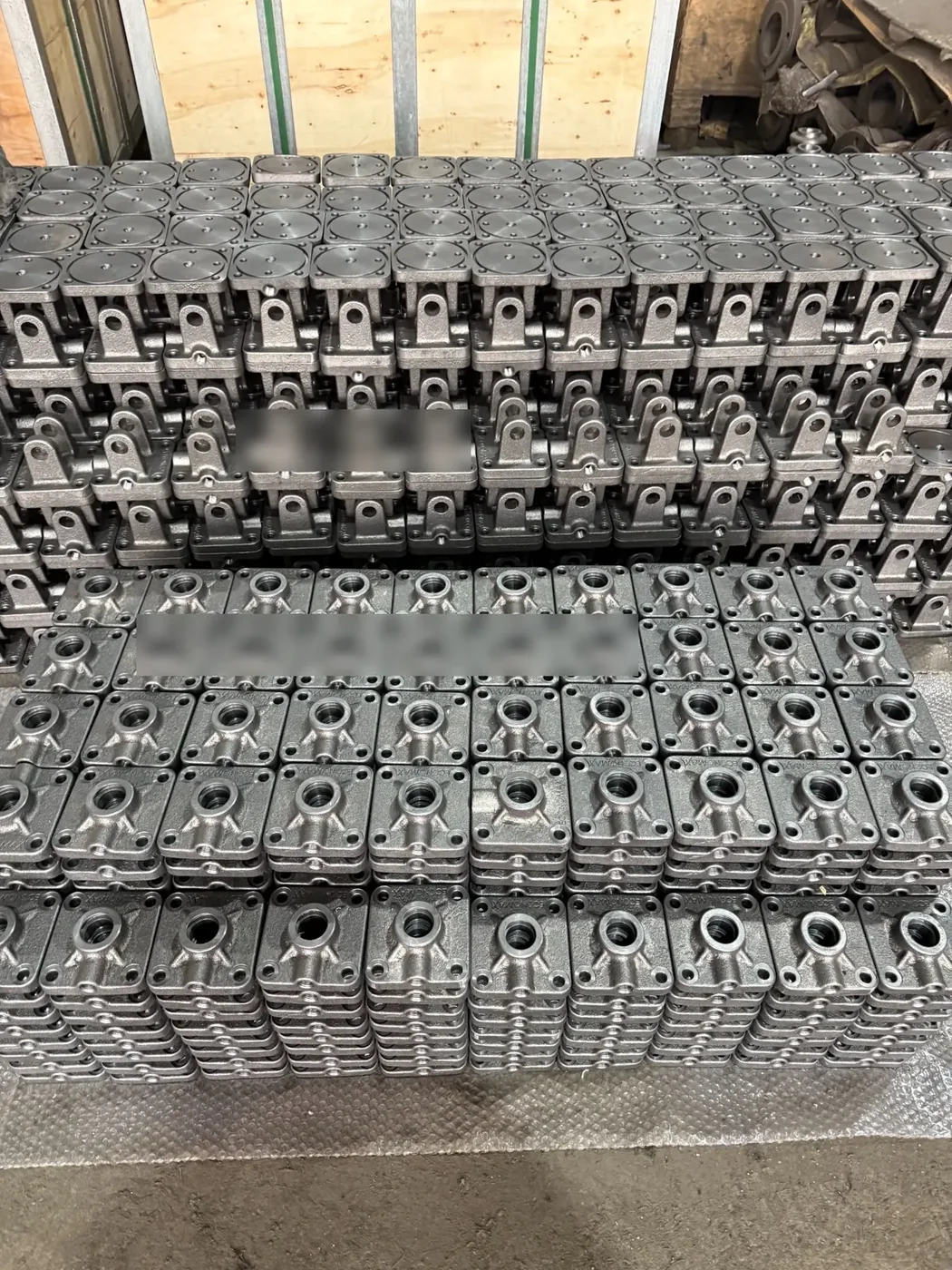
CNC machine heads & caps
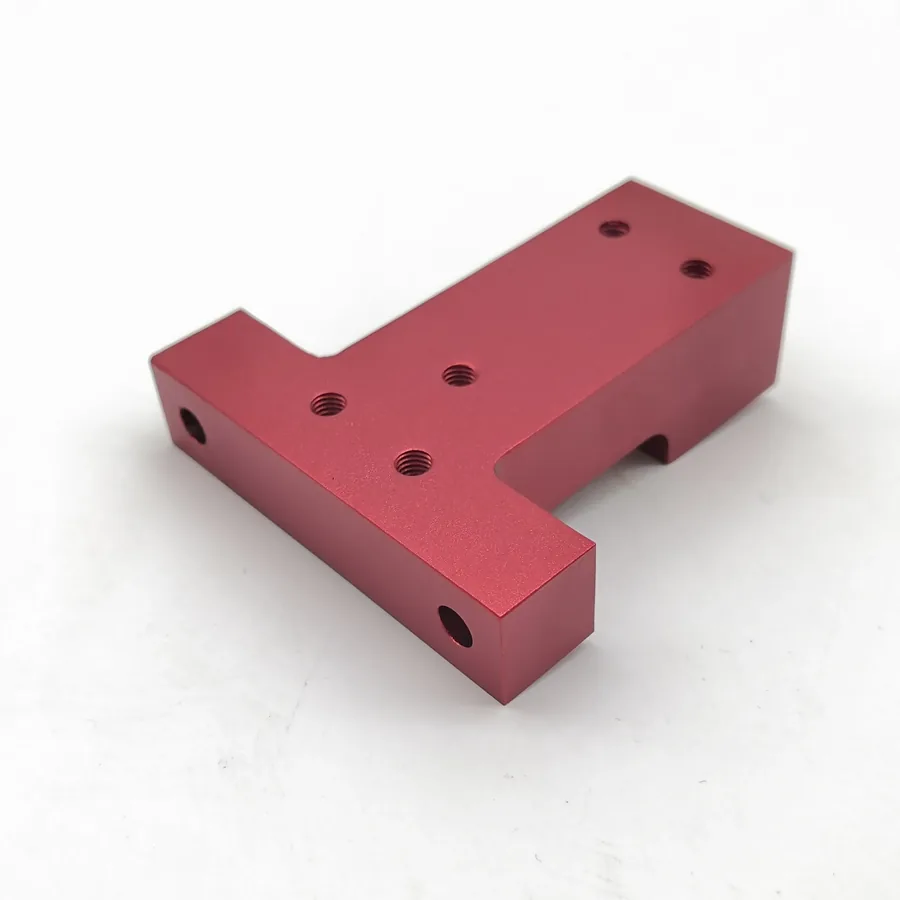
Critical bores, sealing faces, bolt-hole patterns and threaded features are CNC machined after casting to establish the final hydraulic interfaces.
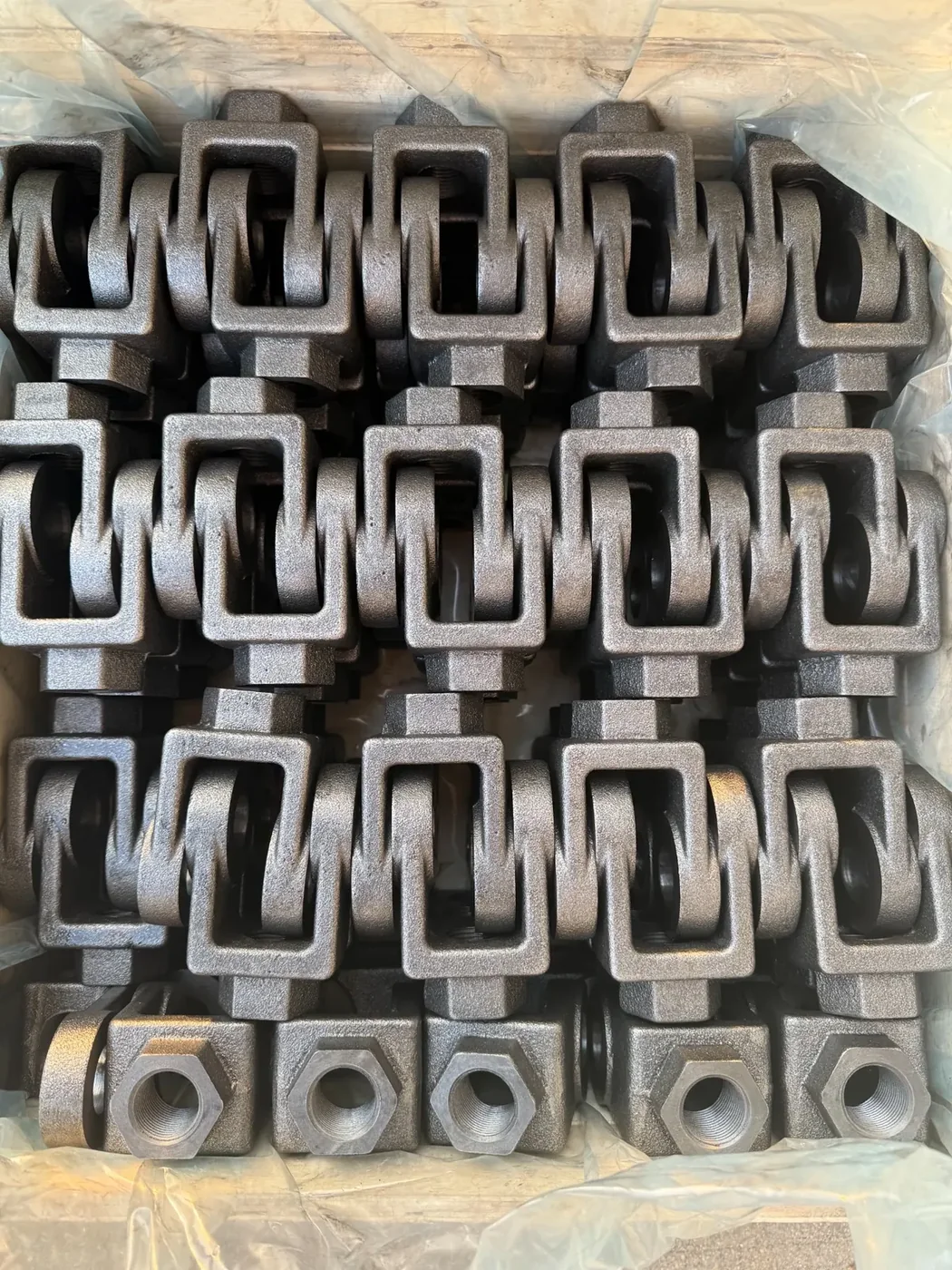
Machine clevises & complete the set
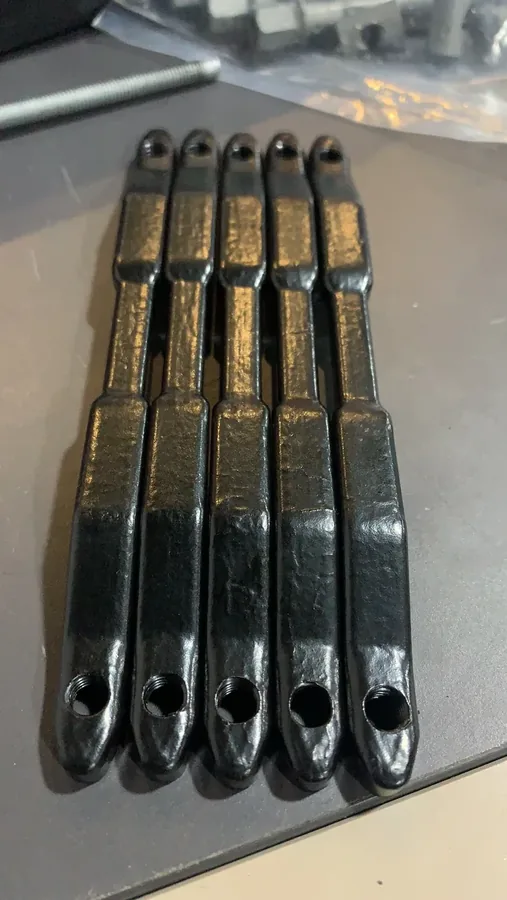
Companion clevis / fork components are machined as part of the same program, together with the matching pins and brass plugs used in the cylinder assembly.
Component Family Scope
Hydraulic Cylinder Heads & Caps
Green-sand-cast bodies with CNC-machined bores, sealing faces, threads and bolt-hole patterns.
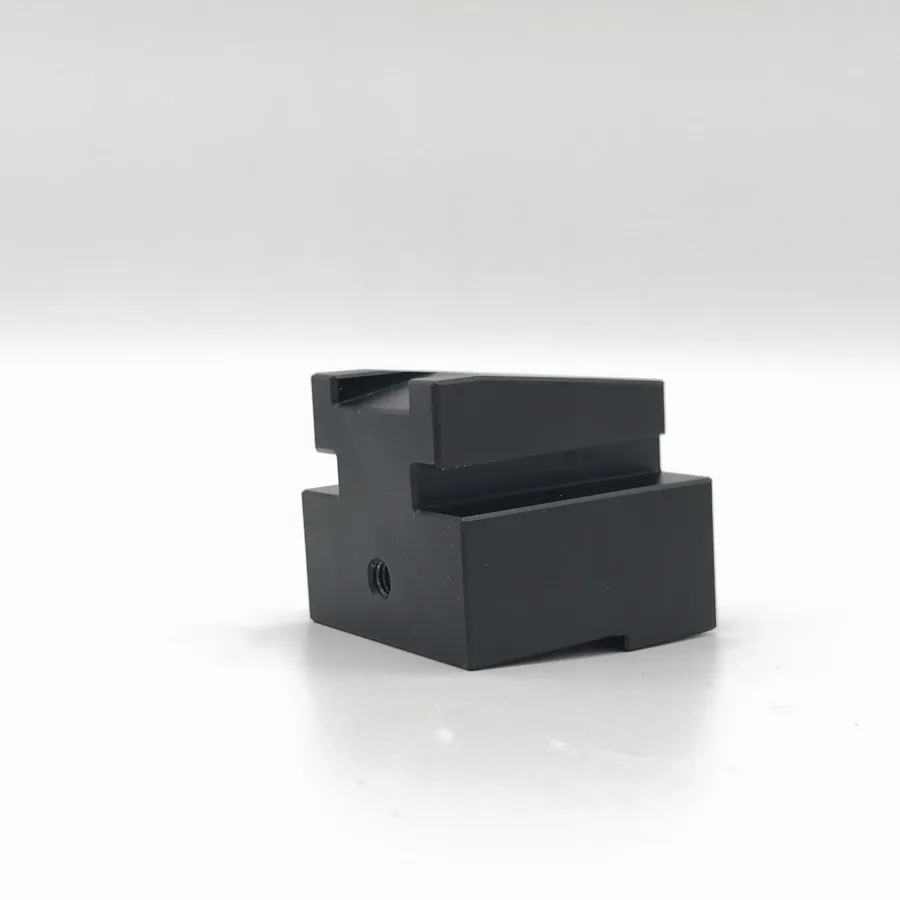
Clevis / Fork Components
Associated articulated end parts machined after casting for recurring hydraulic cylinder production.
Pins
Matched pin components supplied alongside the cast-and-machined cylinder hardware.
Brass Plugs
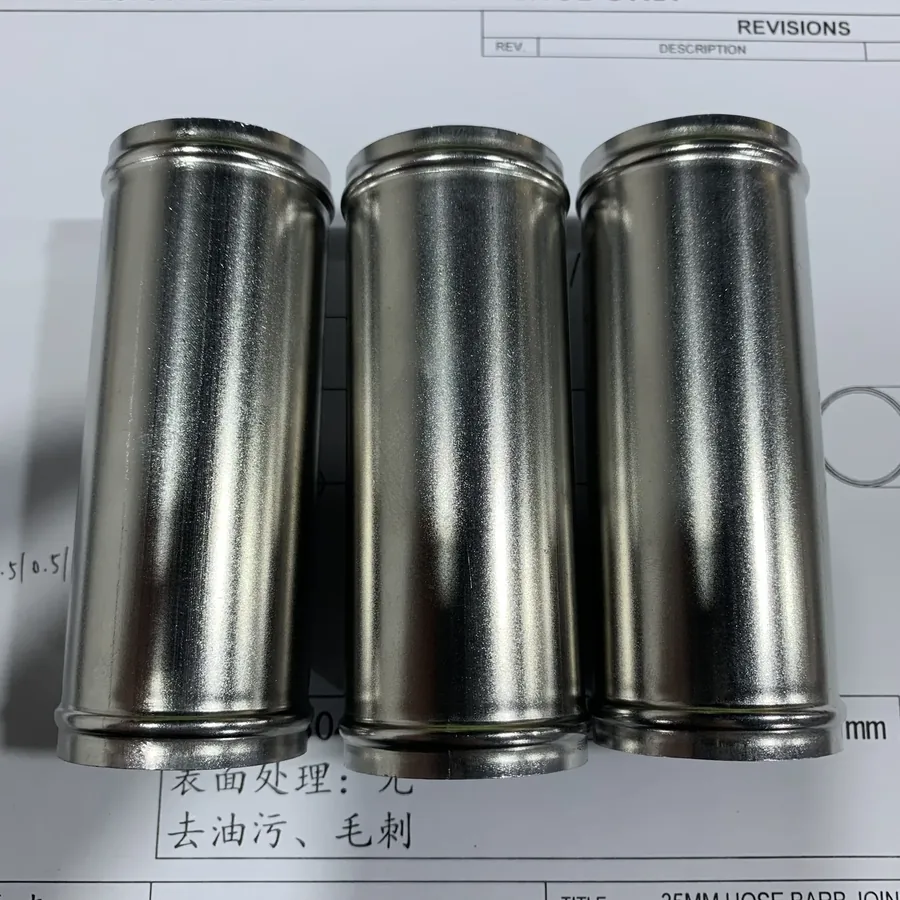
Machined brass plugs supplied as part of the same long-term hydraulic cylinder component family.
Green sand casting remains practical when the CNC machining route is planned correctly.
For hydraulic cylinder heads and caps, the value is not simply in pouring castings. It lies in turning an economical green-sand-cast blank into a repeatable finished component through CNC machining of bores, faces, threads and other functional interfaces.
The same manufacturing program can support the related clevis components, pins and brass plugs without turning the page into a catalogue of isolated parts.