Welding & Grinding Case Study
Background
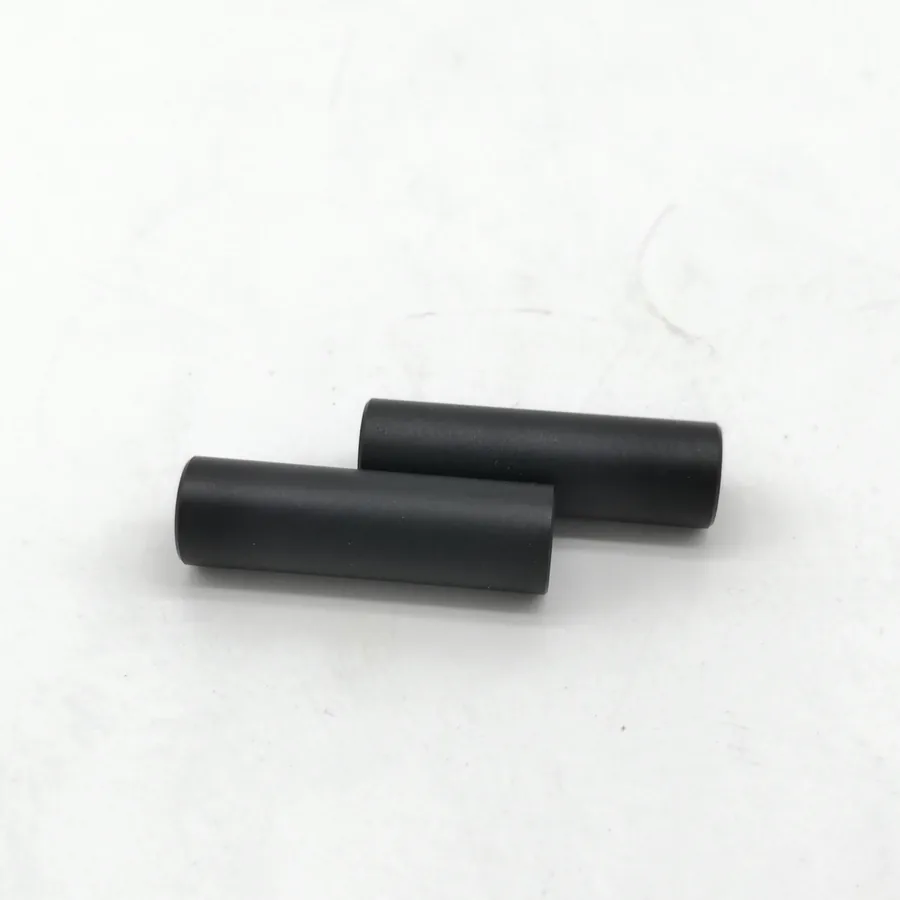
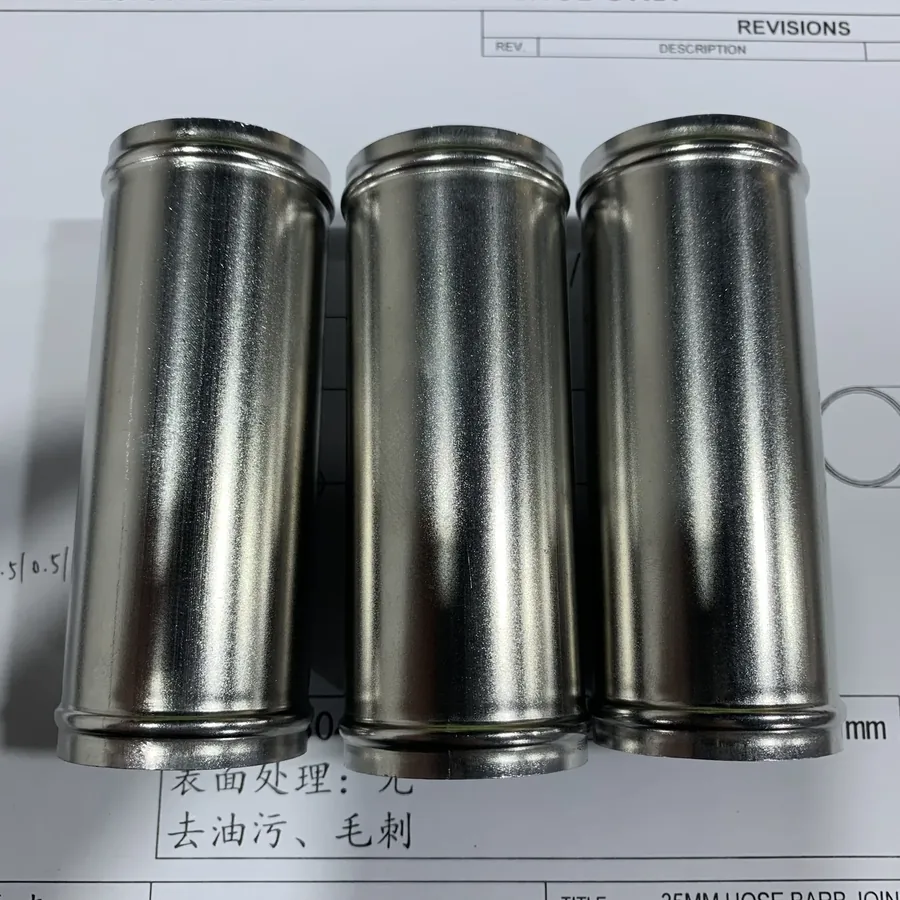
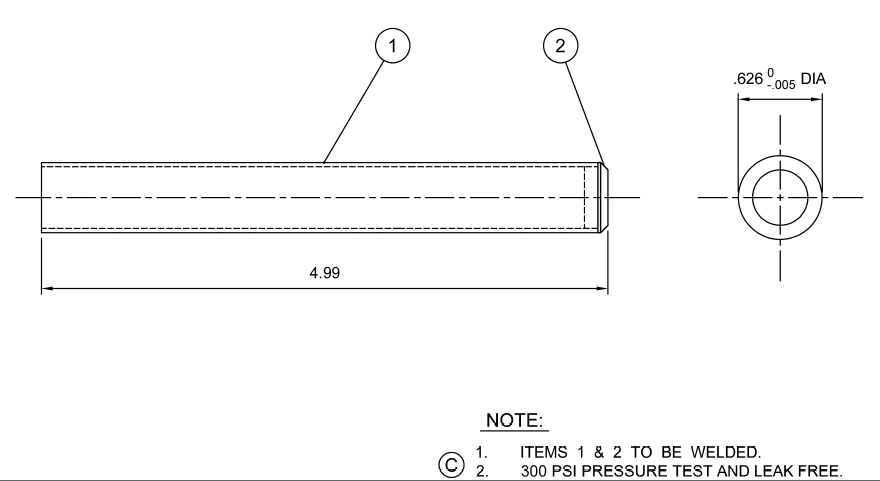
This component is a thin-wall stainless steel tube closed at one end with a machined plug. The plug is welded continuously around the circumference, after which the outside diameter must meet a tight final size and the completed weldment must pass a pressure test.
The Challenge
The difficulty is that welding and final dimensional control cannot be treated as separate operations. Thin stainless tubing can distort during welding, while excessive movement leaves too little stable material for final grinding. Variation in the incoming tube also affects how much correction is available later. A part may look acceptable after welding but still fail the final diameter or pressure requirement.
Our Approach
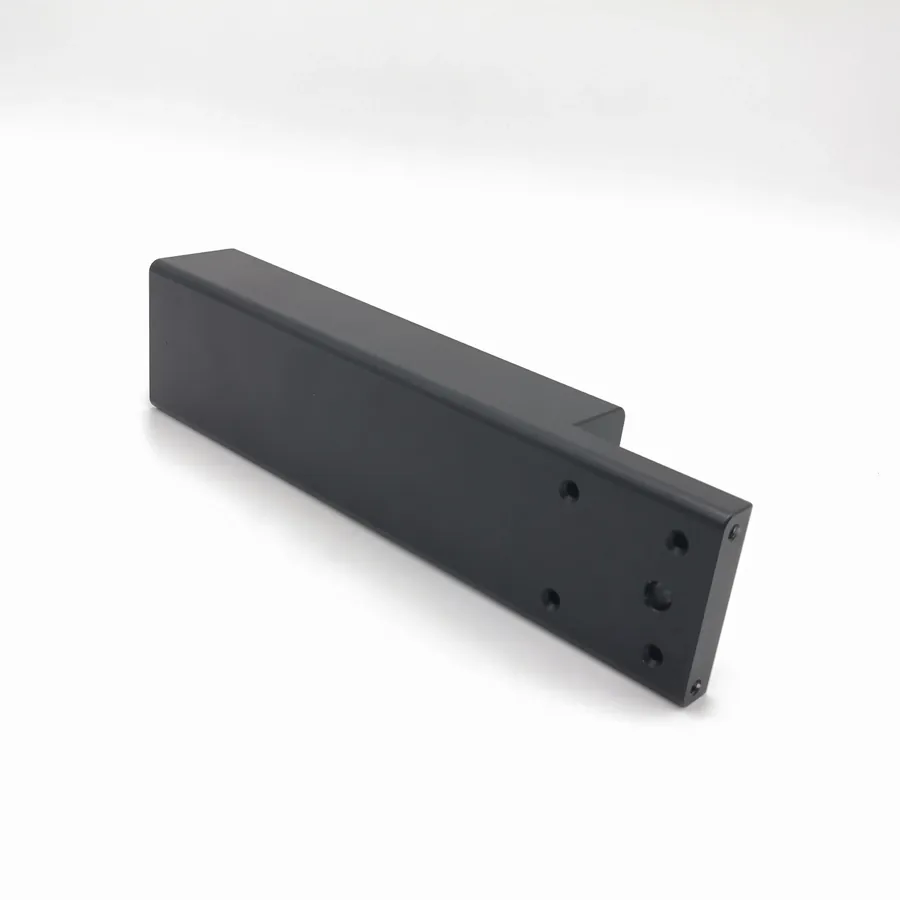
We started by controlling the input. Precision stainless tubing was ordered to a tighter size range than ordinary commercial tube and cut to length under controlled conditions. Dedicated welding fixtures were then used to support the thin wall and limit distortion while the end plug was fully welded.
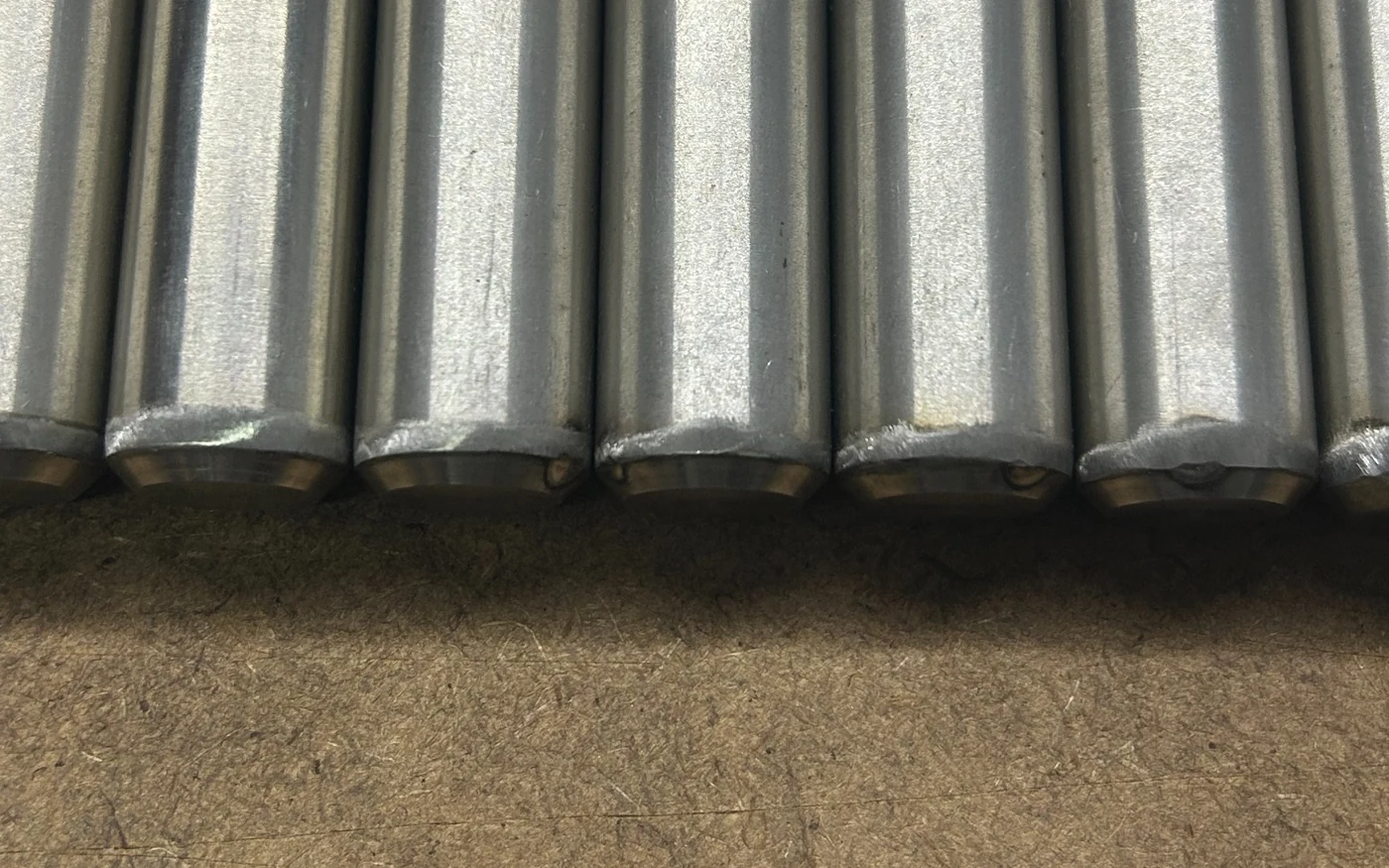
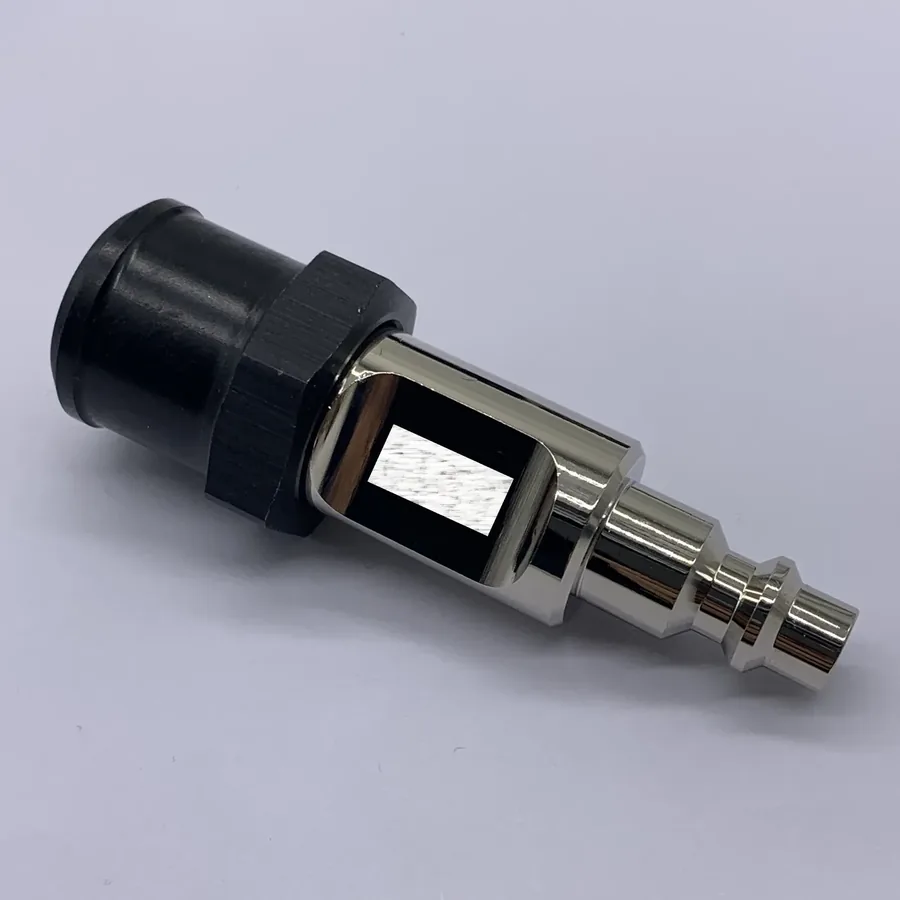
The welded assembly was finished by precision CNC outside-diameter grinding rather than relying on the welded surface itself to meet the final tolerance. Inspection was carried out after grinding, and a dedicated pressure-test fixture with quick-connect fittings was developed to verify weld integrity before release.
Custom Leak-Test Fixture
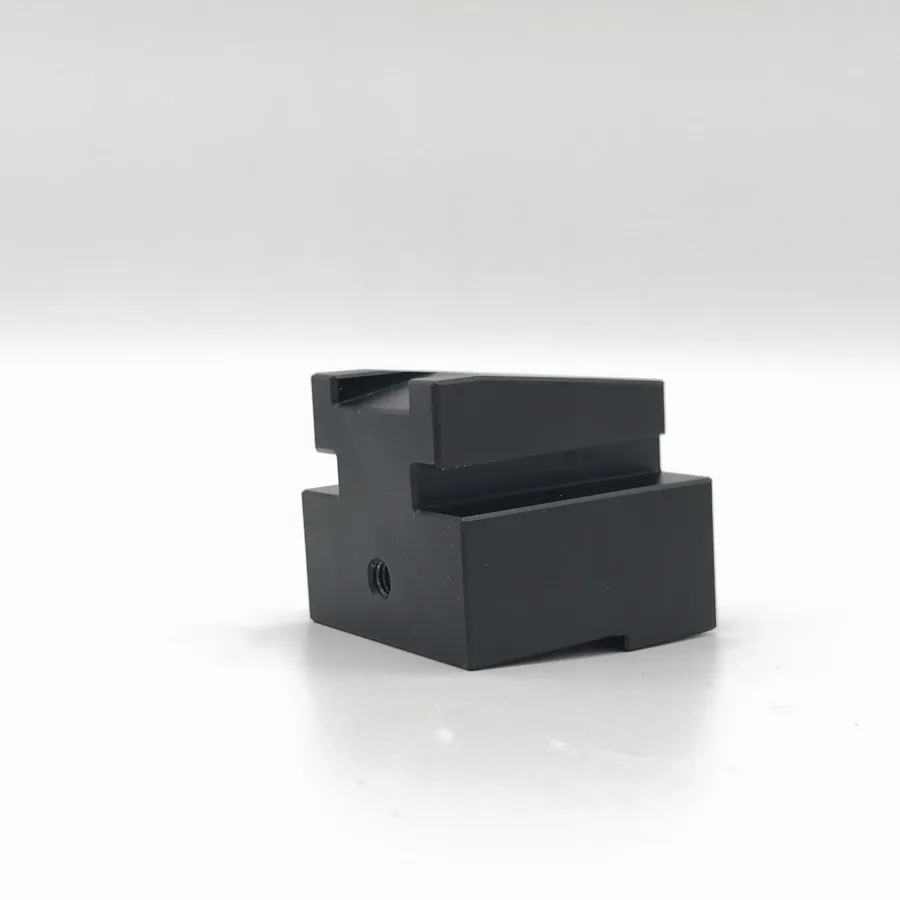
The drawing calls for a 300 PSI pressure test with no leakage. To make this practical for repeat inspection, we built a quick-clamping fixture that grips and seals around the stainless tube, allowing compressed air to be introduced without a slow temporary plug setup.
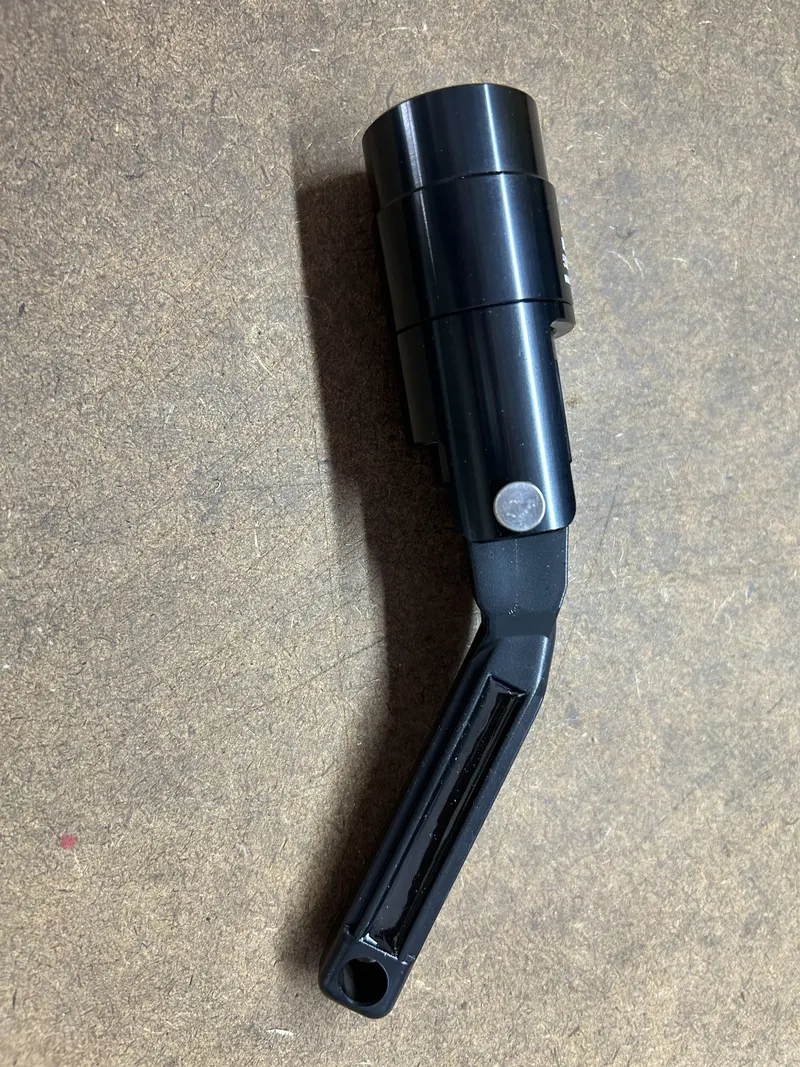
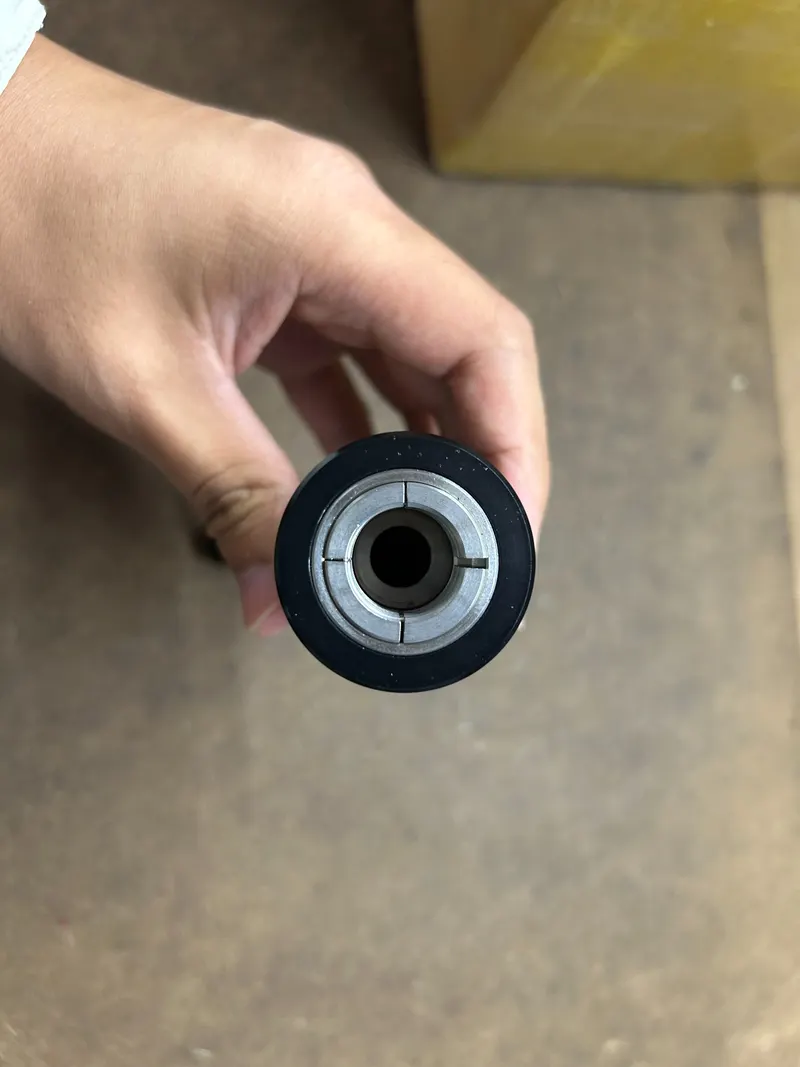
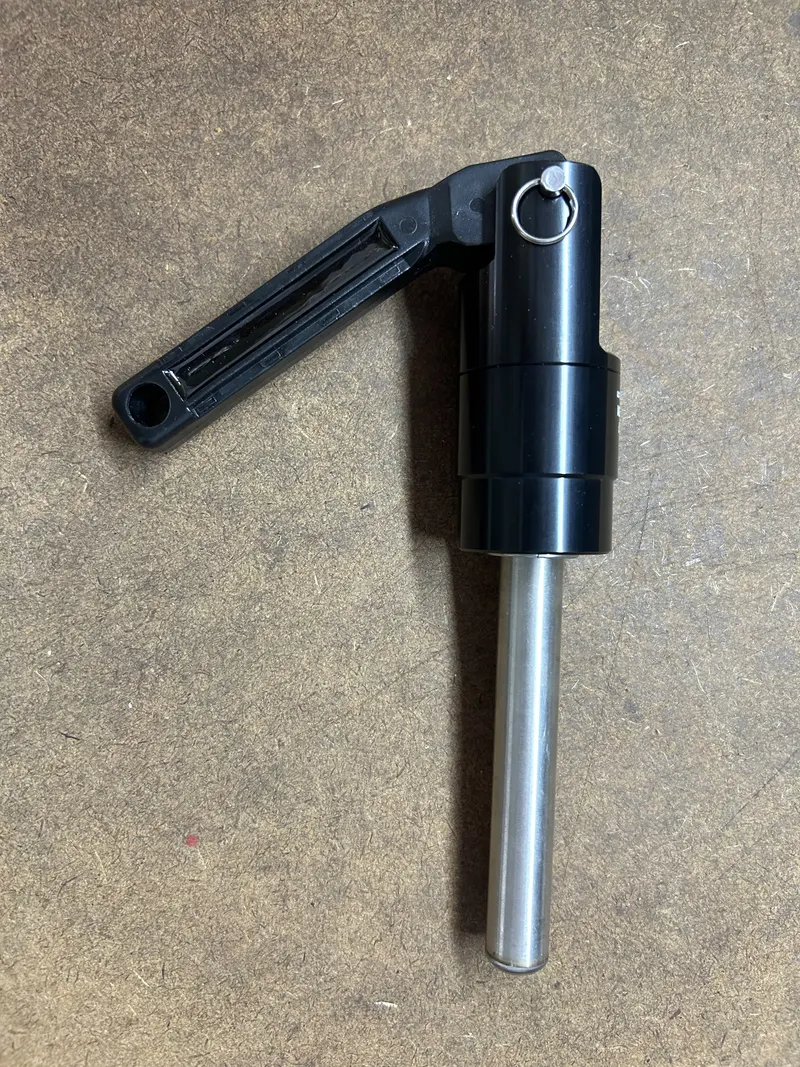
The assembled part is then pressurized and immersed for leak verification, providing a direct functional check of the welded closure before release.
Result
The stable solution came from controlling the whole route: raw material, fixturing, welding, grinding and functional verification. It demonstrates why a precision welded part should be planned as one connected manufacturing process rather than a series of independent operations.