CNC Machining Case Study
Background
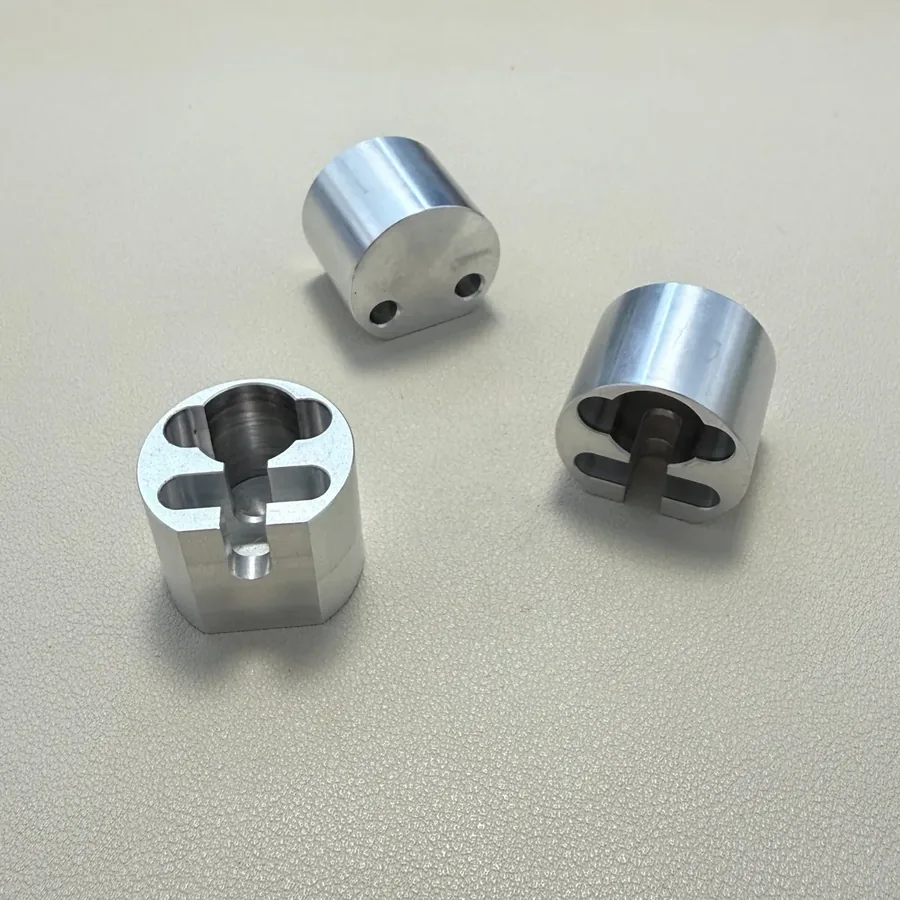
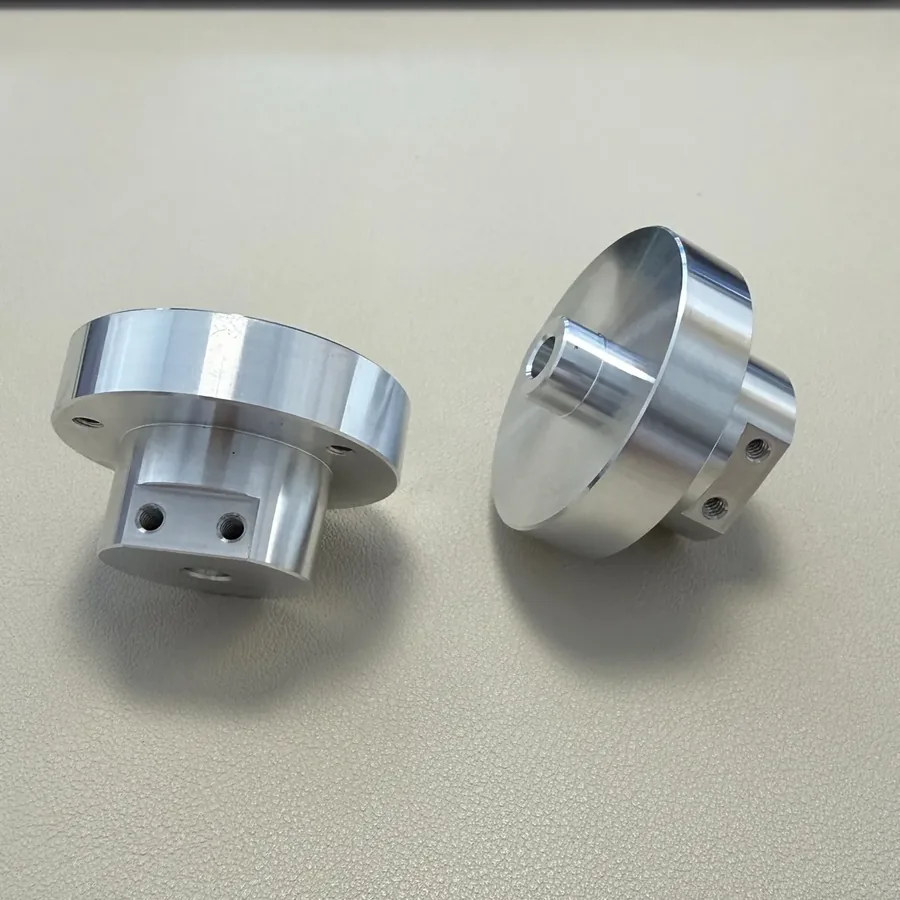
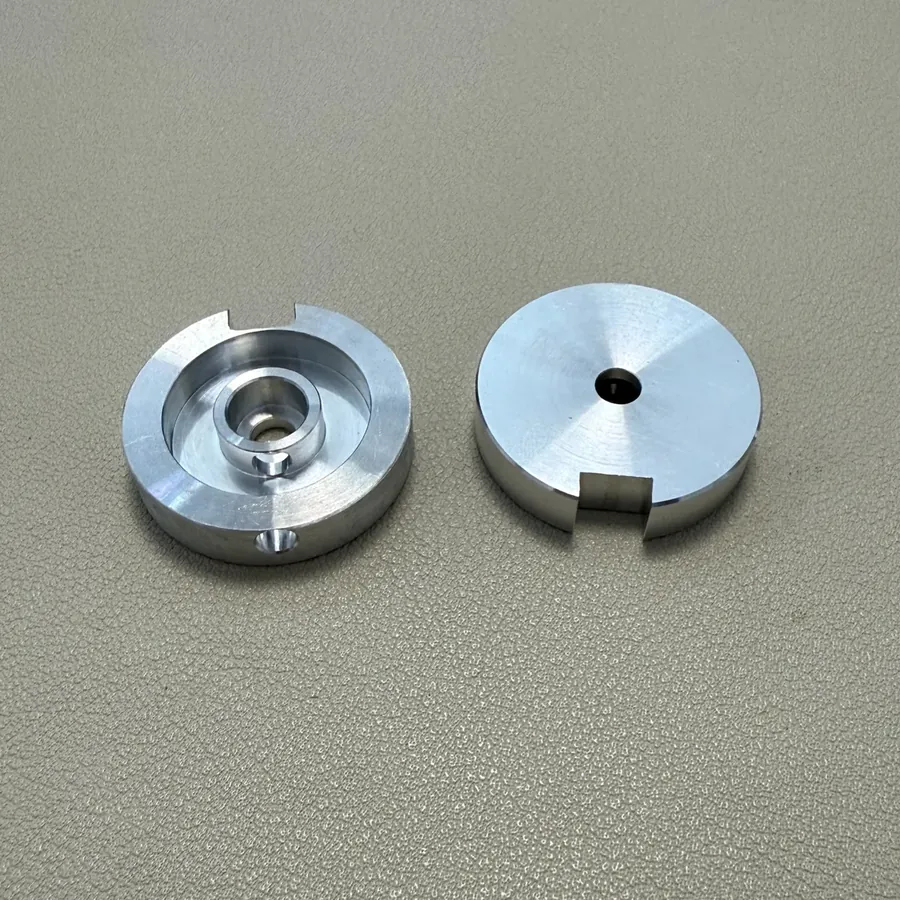
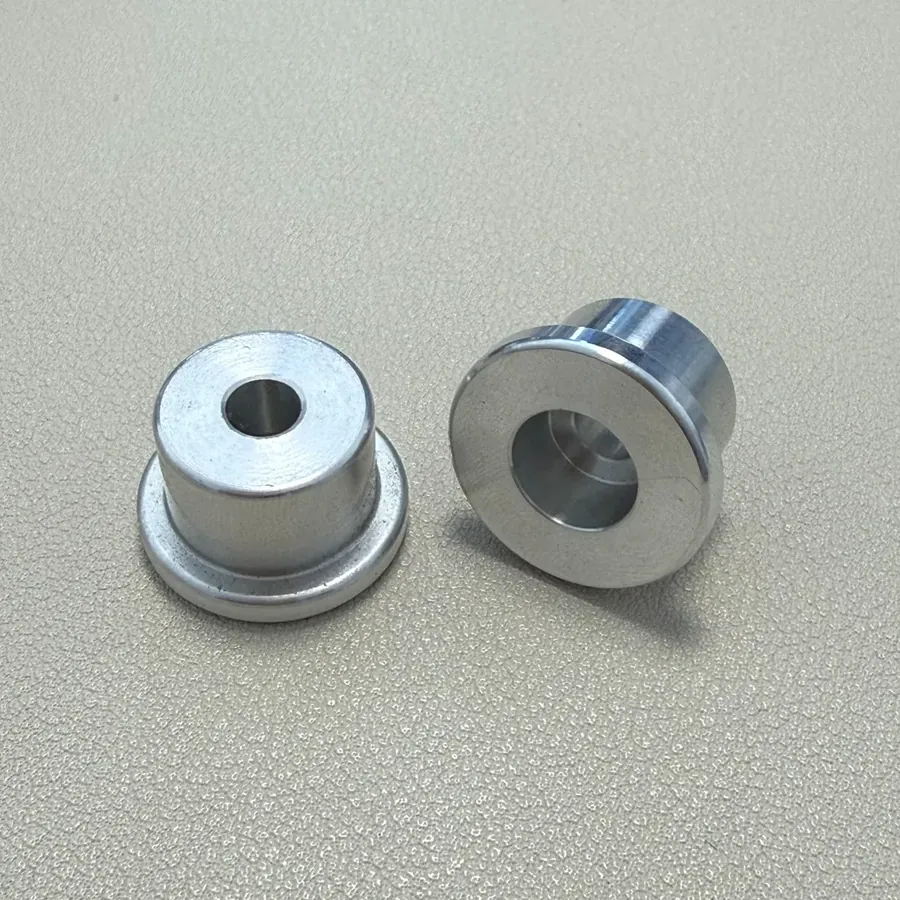
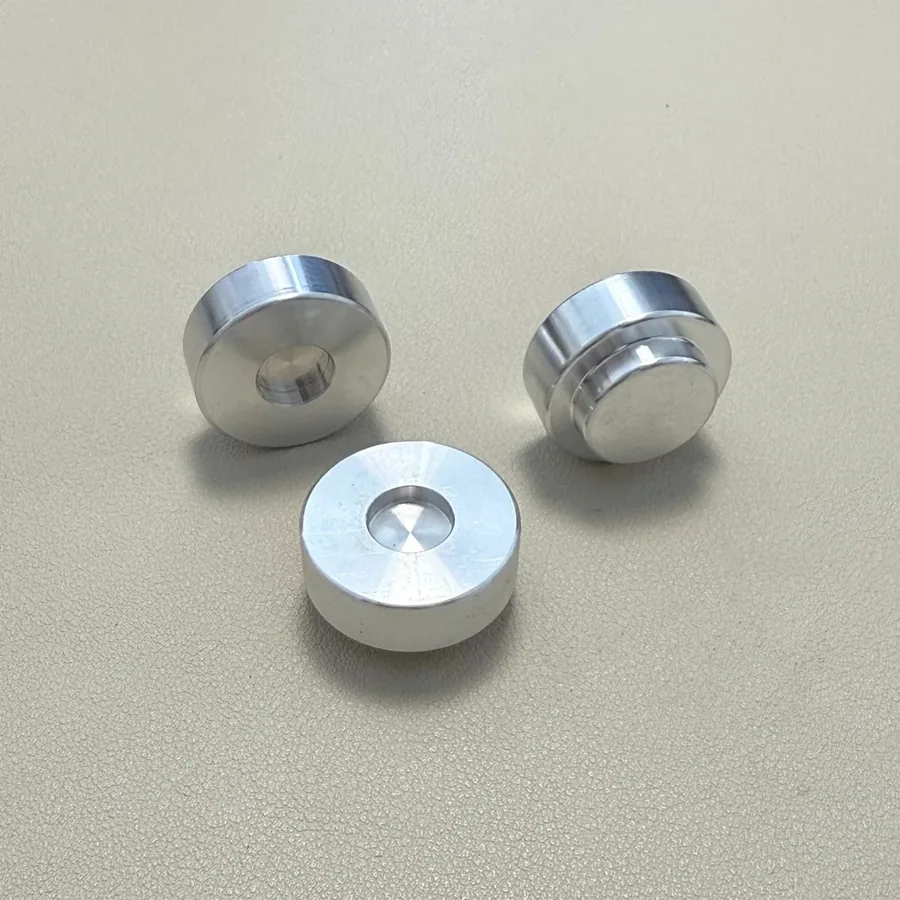
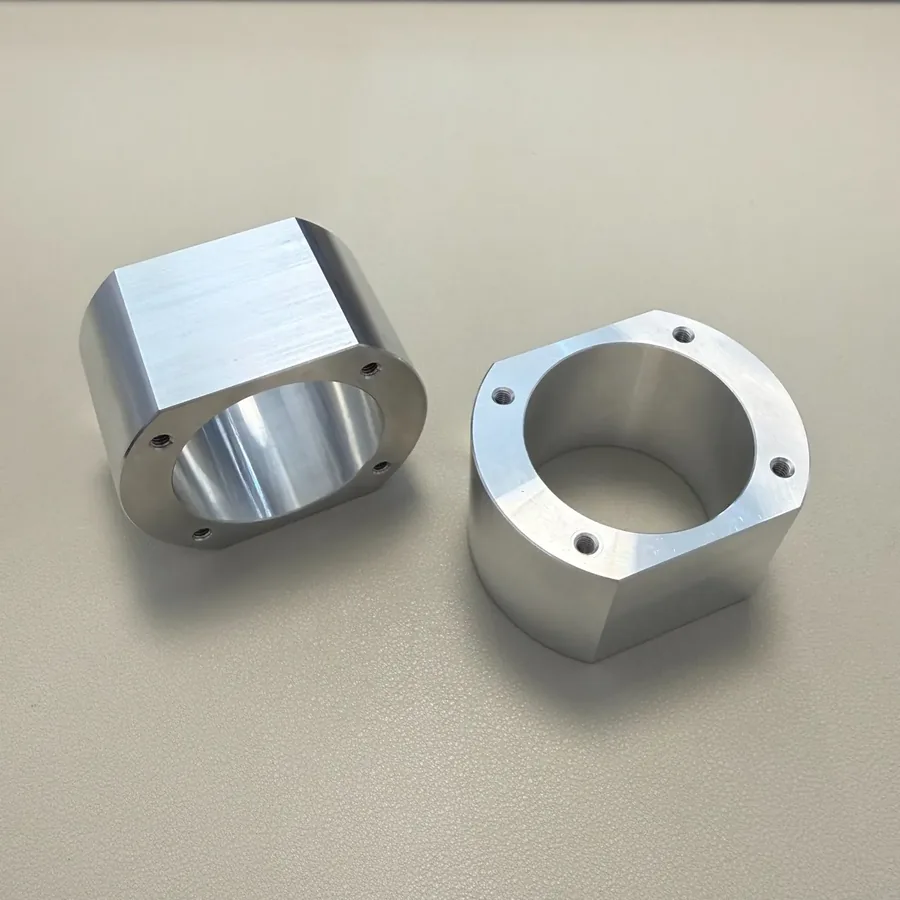
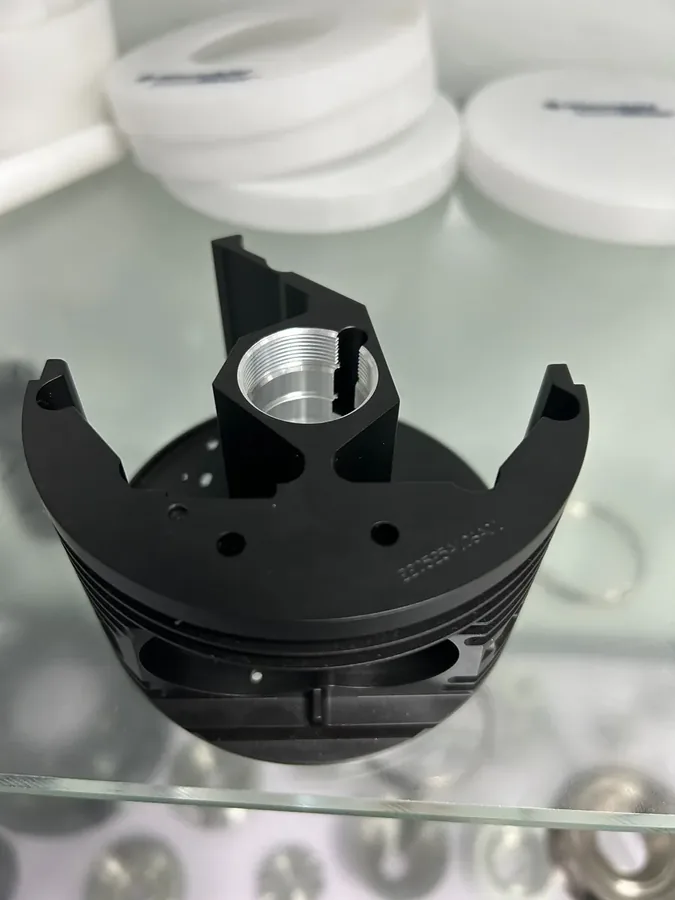
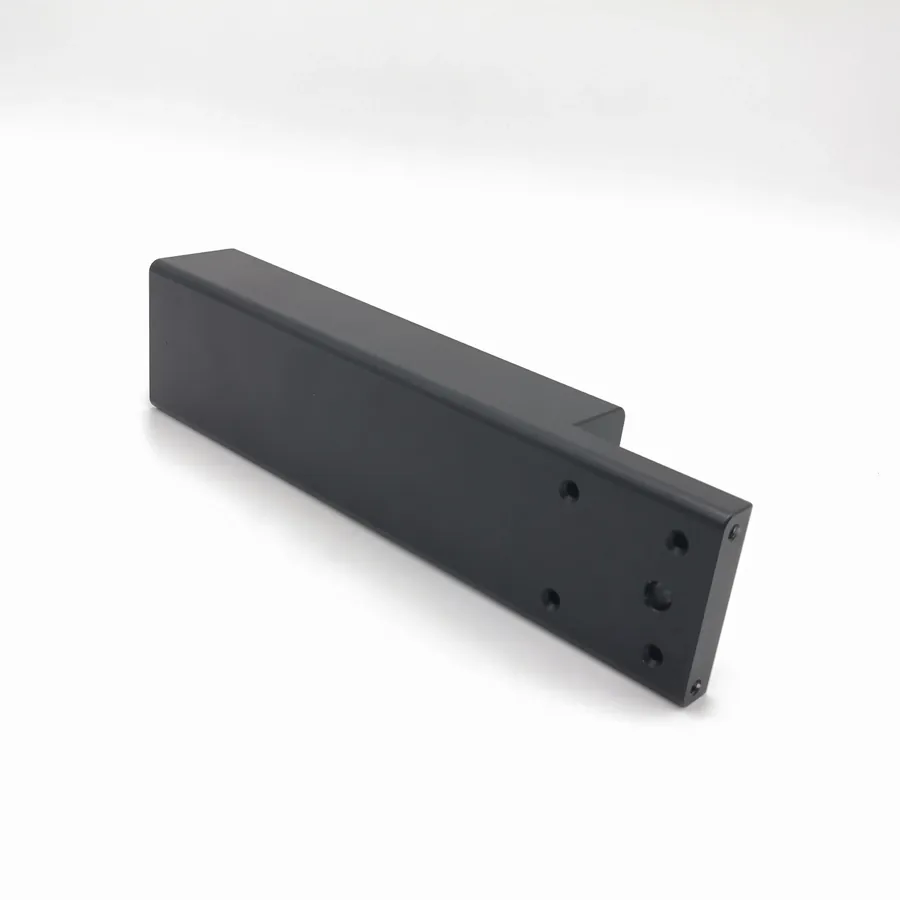
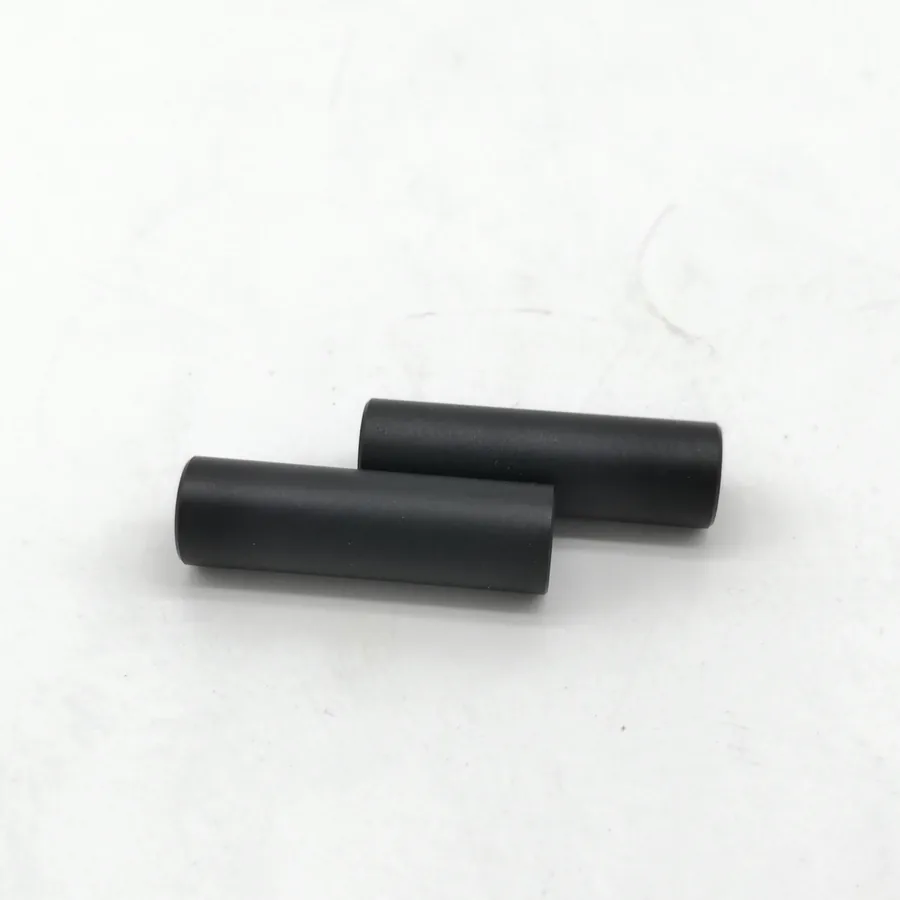
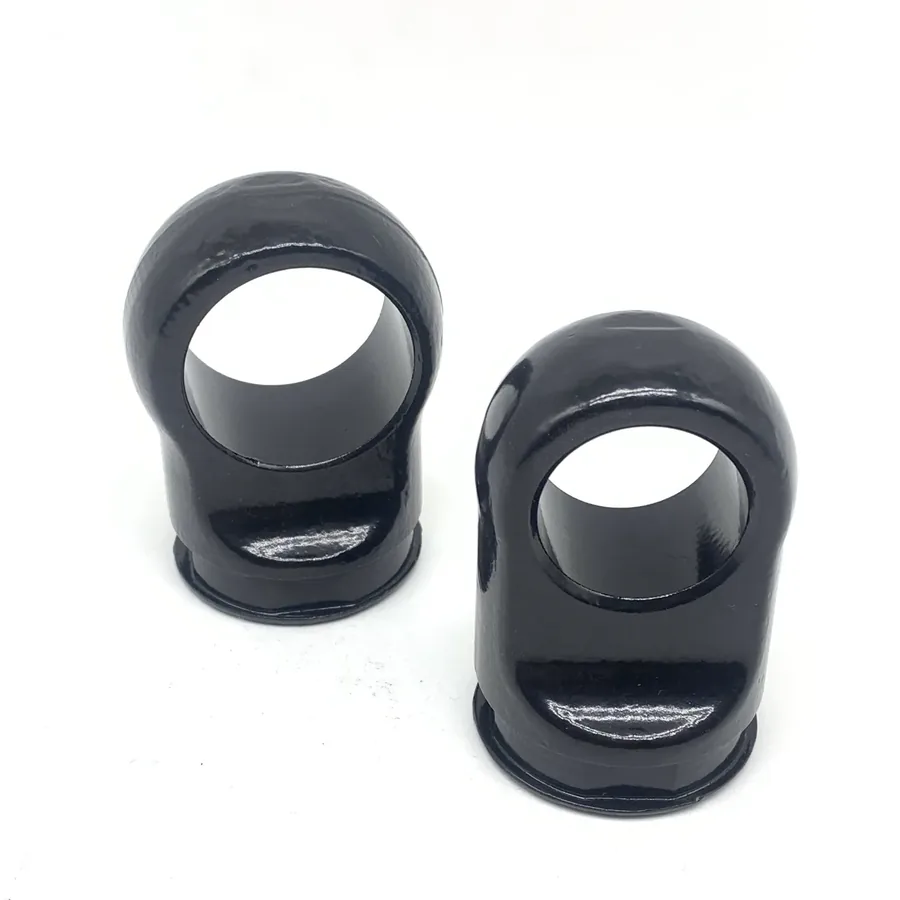
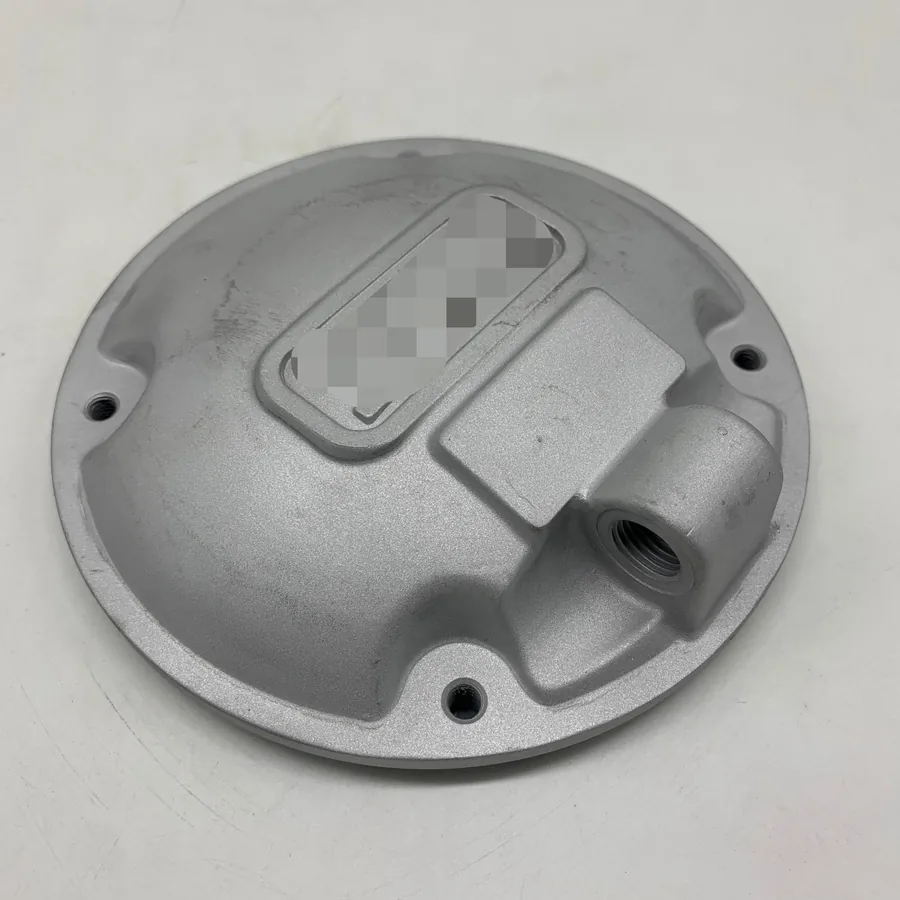
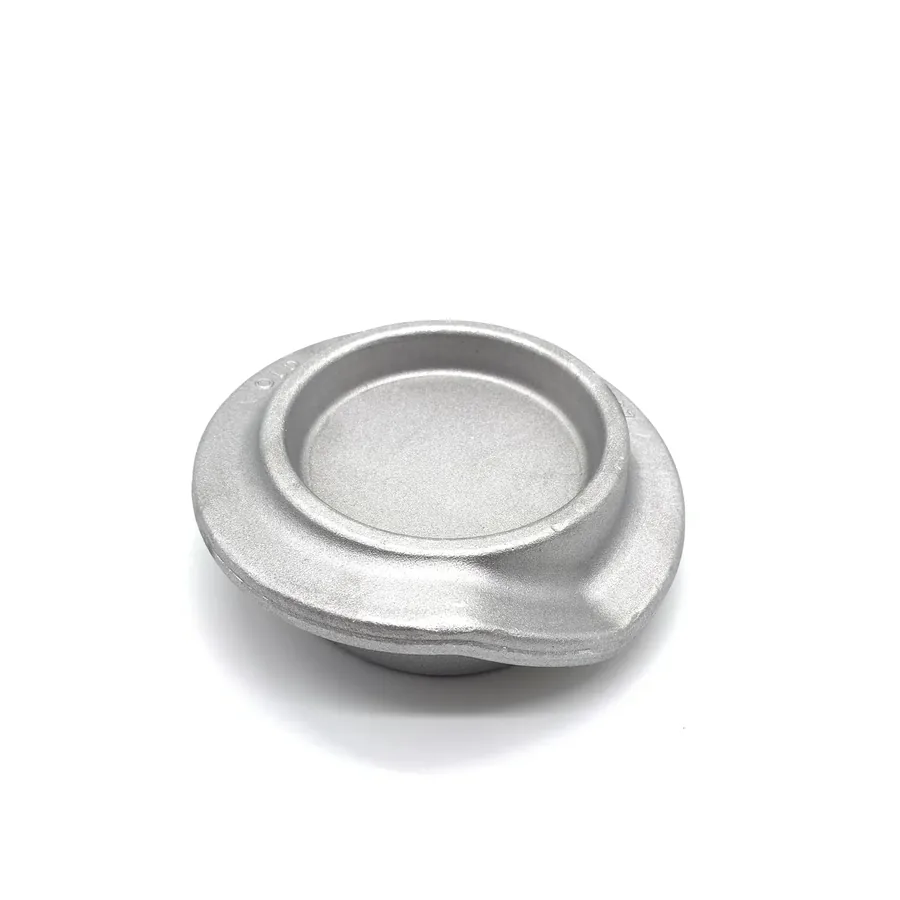
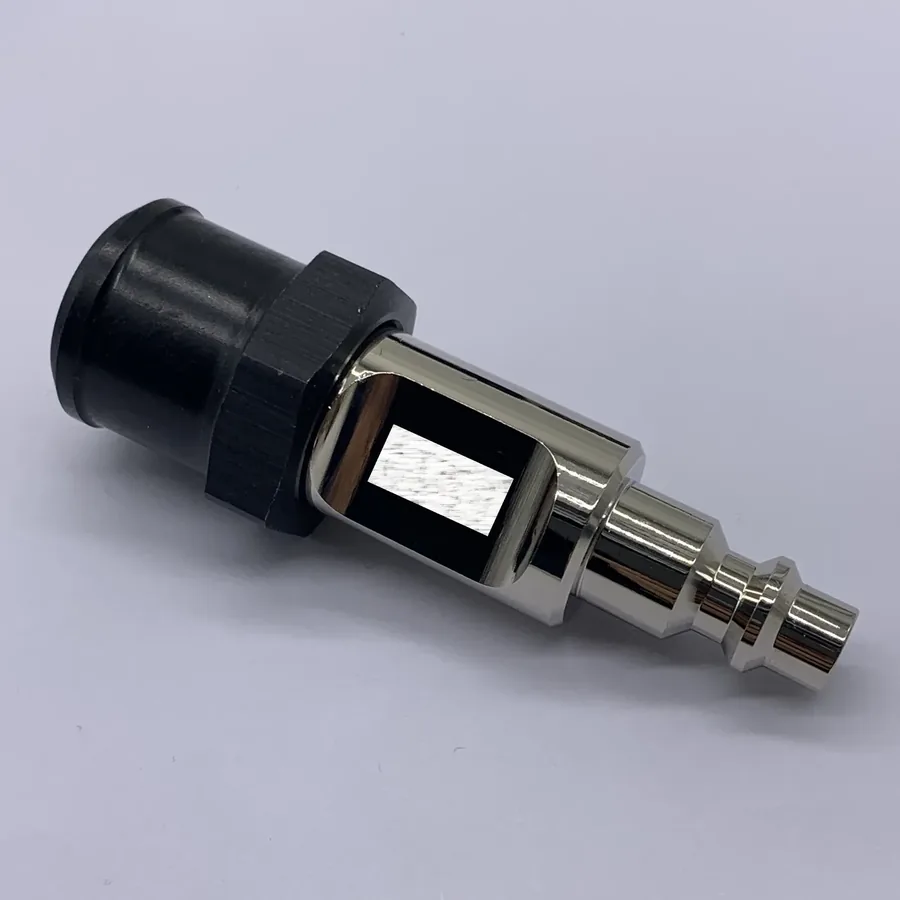
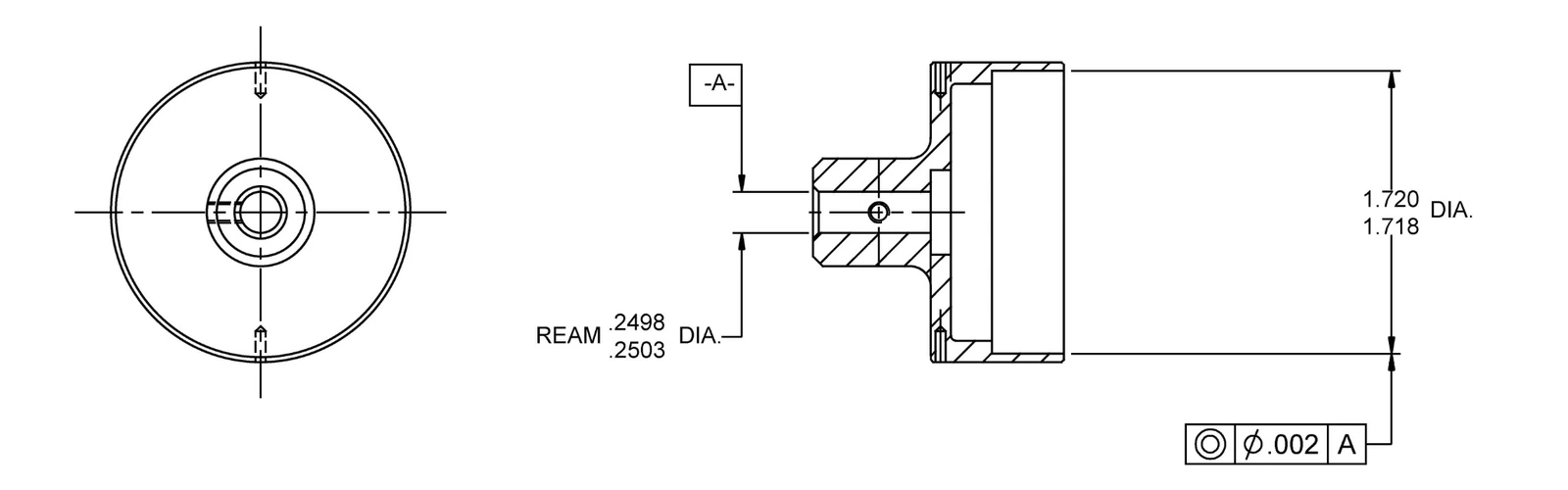
This aluminum housing is machined from 6061 round bar for repeat production. From the outside it appears to be a straightforward turned component, but the drawing places most of the risk on the internal geometry: the center bore has a tight diameter tolerance, the turned features must remain coaxial, and a tapped hole intersects the bore.
The Challenge
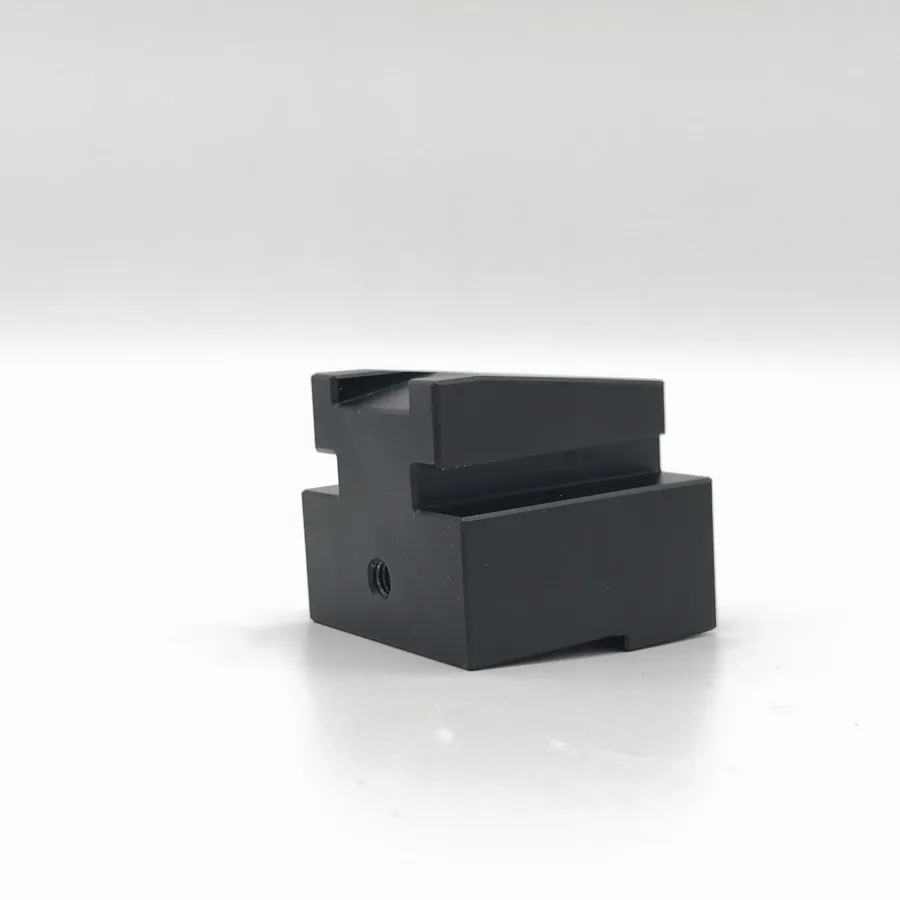
The intersection between the tapped hole and the center bore created the most difficult detail. The customer required the bore to remain smooth and clean, with no burr left at the breakthrough and no conventional chamfer visible on the functional bore surface. At the same time, the bore size and coaxial relationship still had to be maintained consistently from part to part.
Our Approach
We built the machining route around the bore first. Turning and reaming operations were controlled from consistent datums so the bore and external geometry stayed aligned. For the intersecting threaded hole, a back-chamfering tool was introduced to remove the internal breakthrough burr from the far side of the hole rather than applying a normal chamfer to the bore.
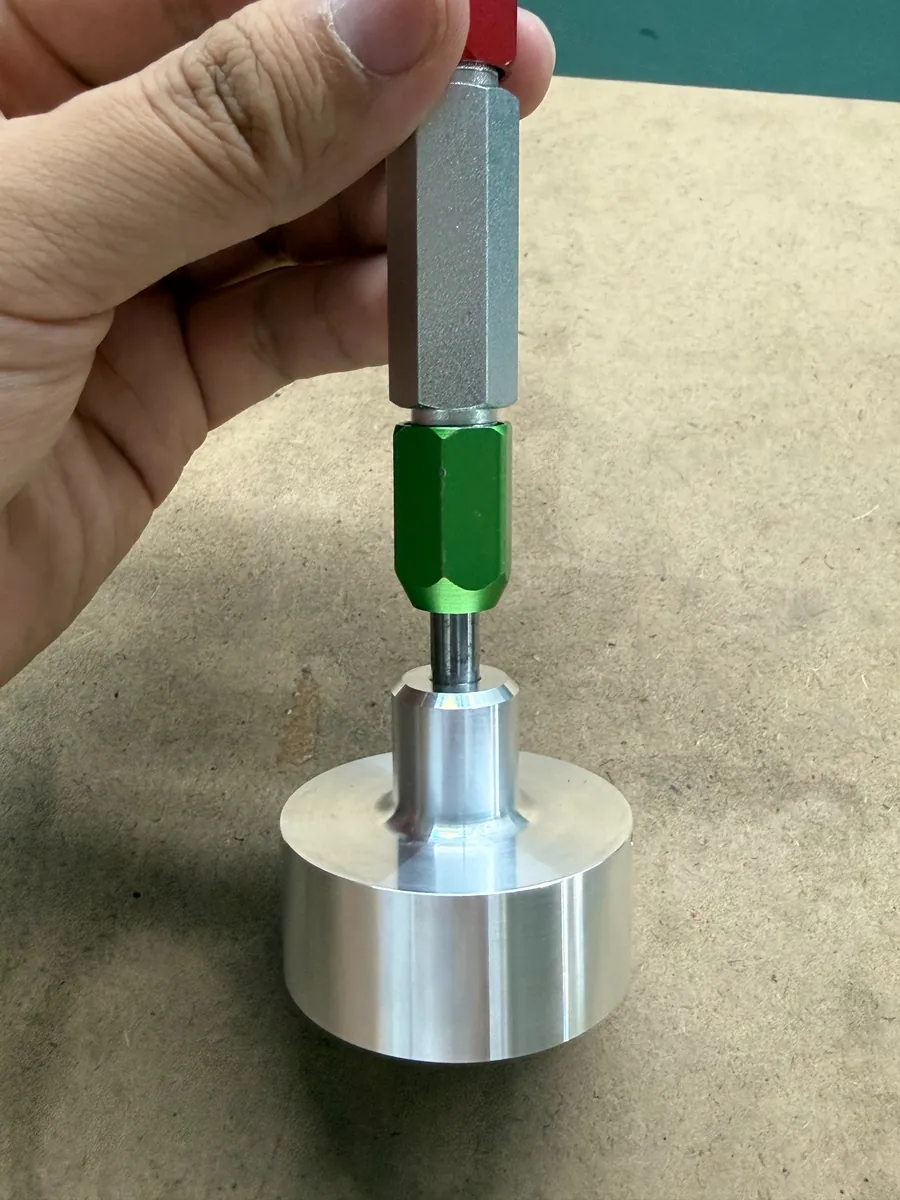
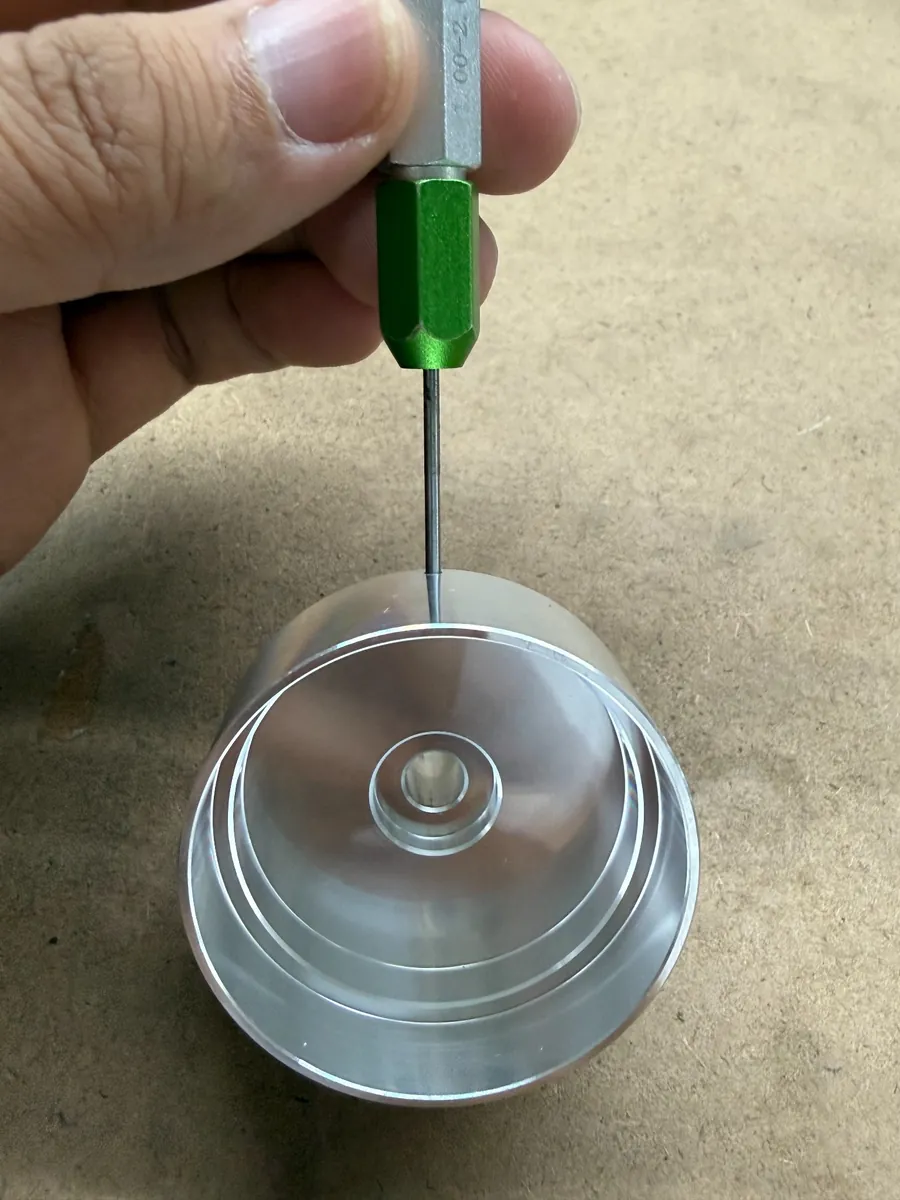
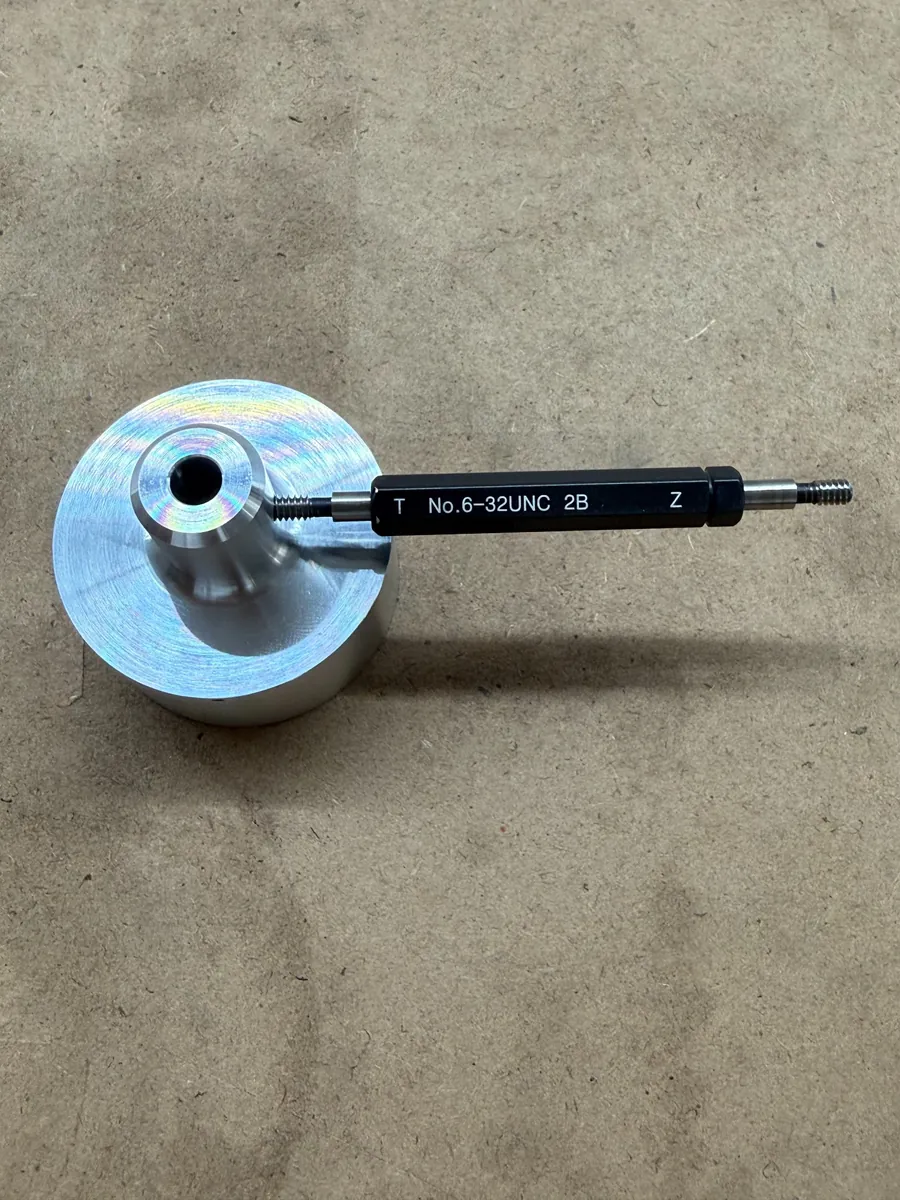
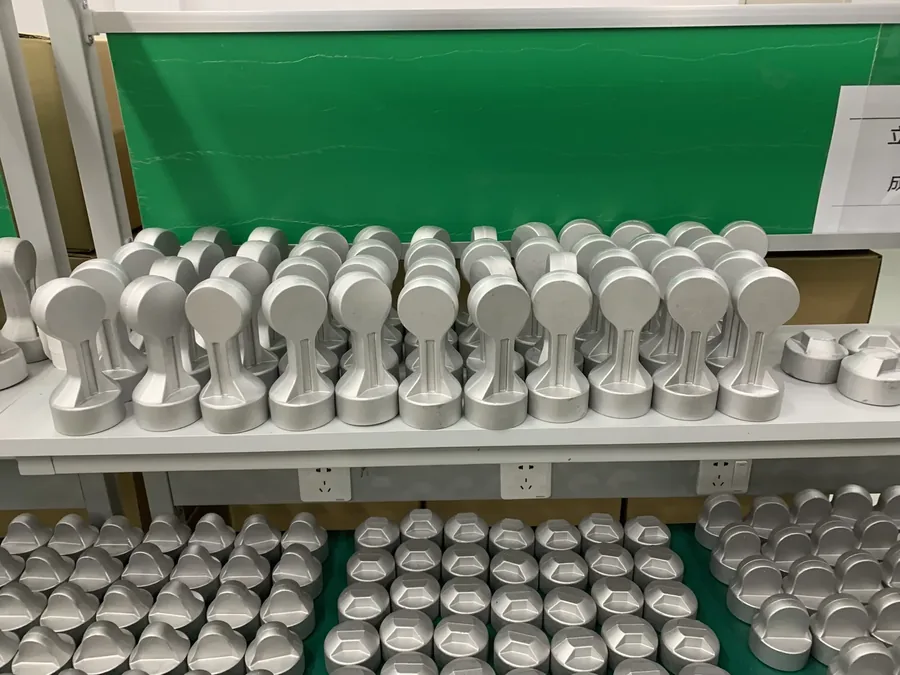
After the process was proven and repeatable, automated loading was added to increase production capacity without changing the critical machining and inspection sequence.
Result
The final process combined dimensional control with a small but important deburring requirement that could easily have become a recurring quality issue. The project is a good example of how a simple-looking part may require the production route to be designed around one hidden functional detail.