Vacuum Investment Casting Case Study
Background
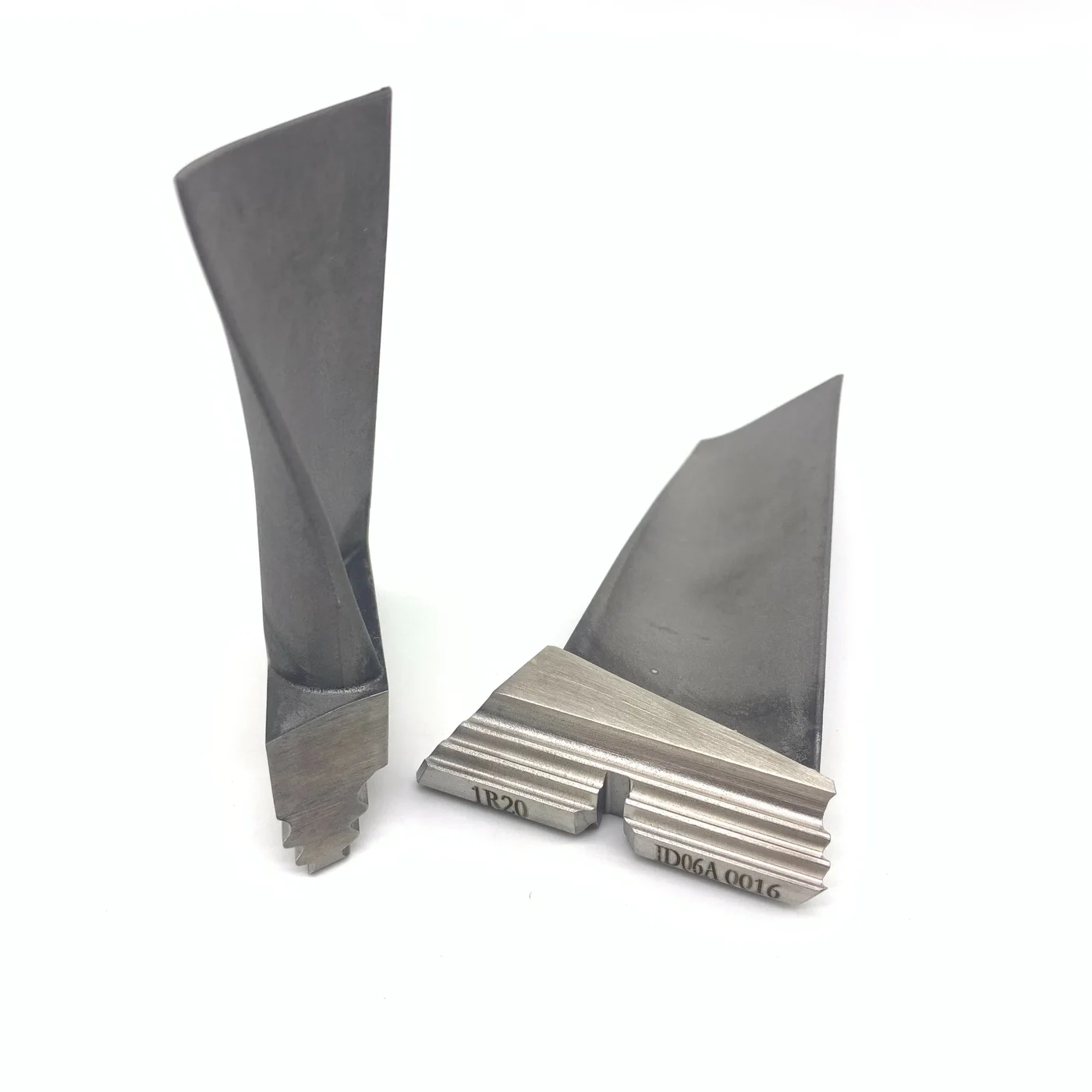
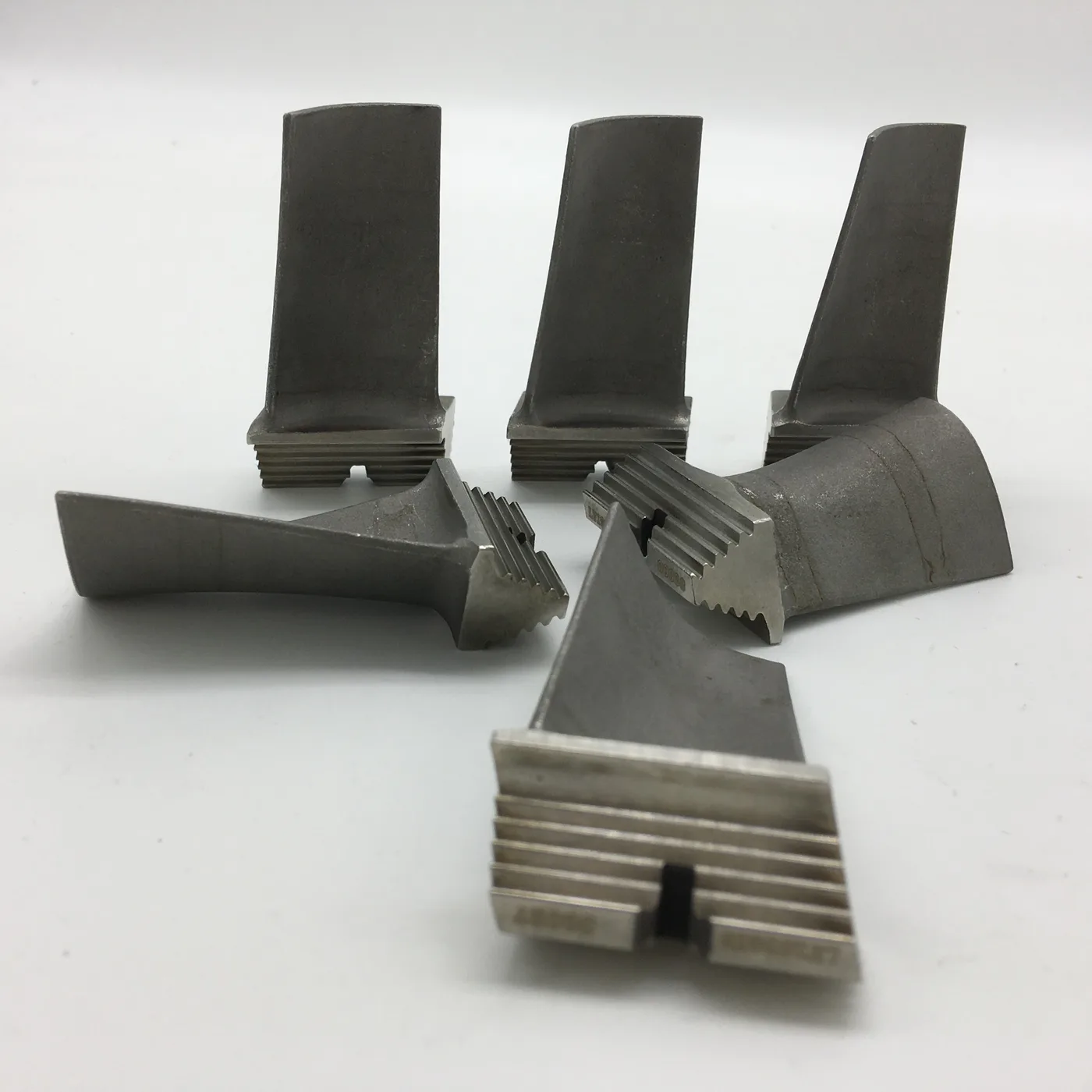
This turbocharger blade was produced for a diesel-locomotive engine application. The component combines a thin, twisted airfoil with a compact mounting root and is made from a nickel-based superalloy selected for high-temperature service.
Compared with conventional industrial castings, the part places much more emphasis on repeatable airfoil geometry, casting integrity and controlled inspection.
The Challenge
The difficulty is not simply casting a small blade. The airfoil has continuously changing curvature, twist and thickness, while the root must remain consistent enough for downstream fitting and assembly. Small process variations can shift the blade profile, and surface-breaking defects such as cracks are unacceptable. For repeat production, tooling, wax patterns, shell preparation, vacuum casting and inspection therefore have to be treated as one connected process.
Our Approach
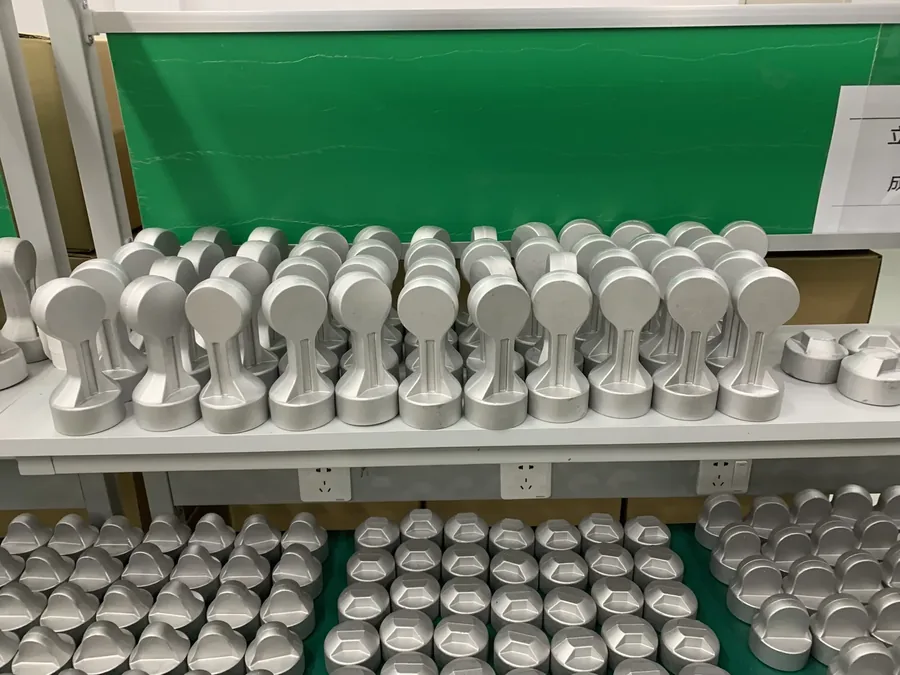
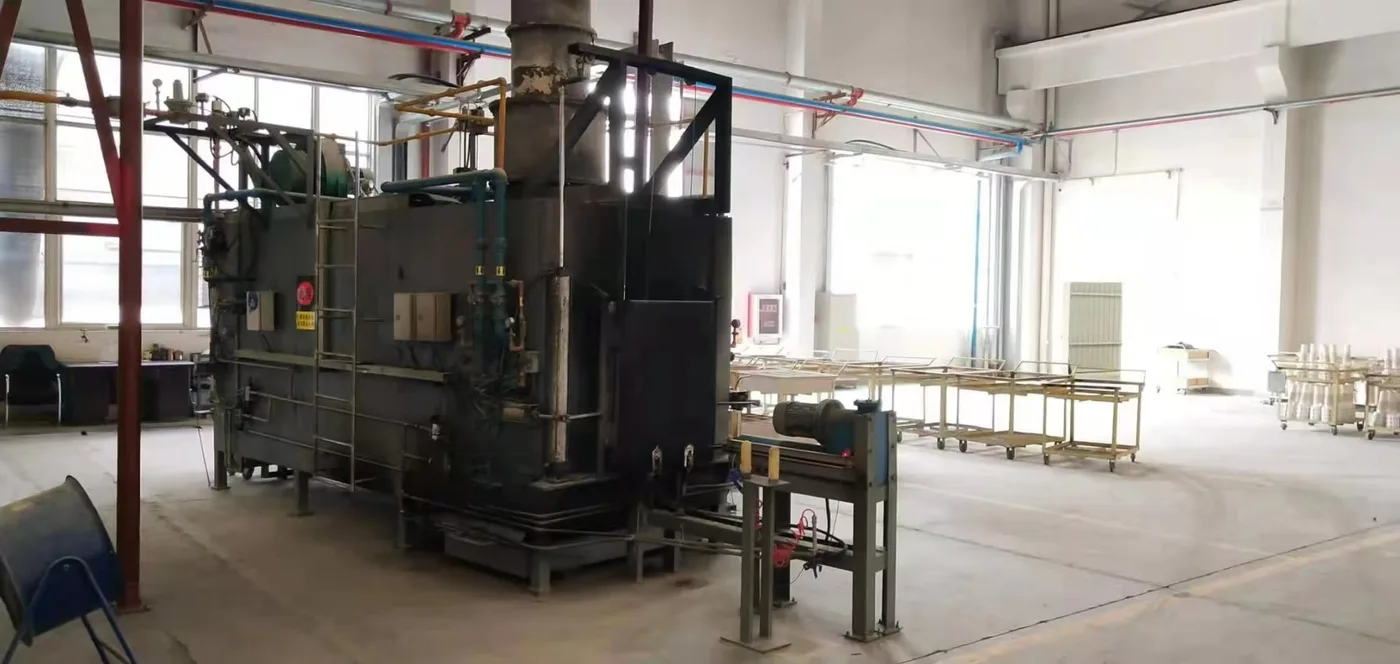
We coordinated a silica-sol investment-casting route with vacuum casting for the nickel-based superalloy. Dedicated tooling was used to form repeatable wax patterns; the wax parts were then prepared for ceramic-shell building before casting. The public case study intentionally keeps detailed process parameters brief, but the production sequence below shows the main stages used to take the blade from tooling to cast metal.
From Wax Pattern to Vacuum Casting
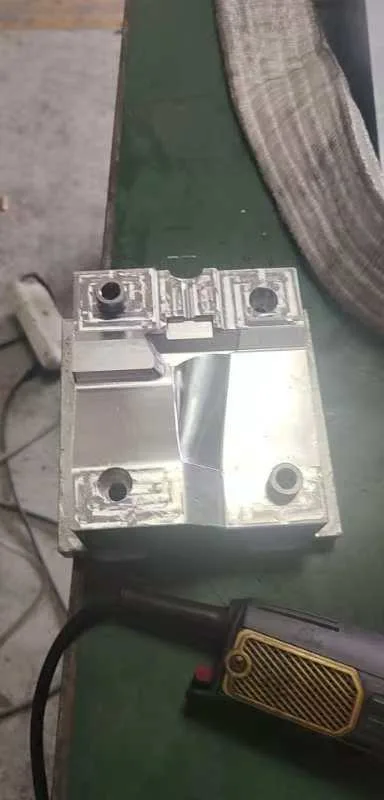
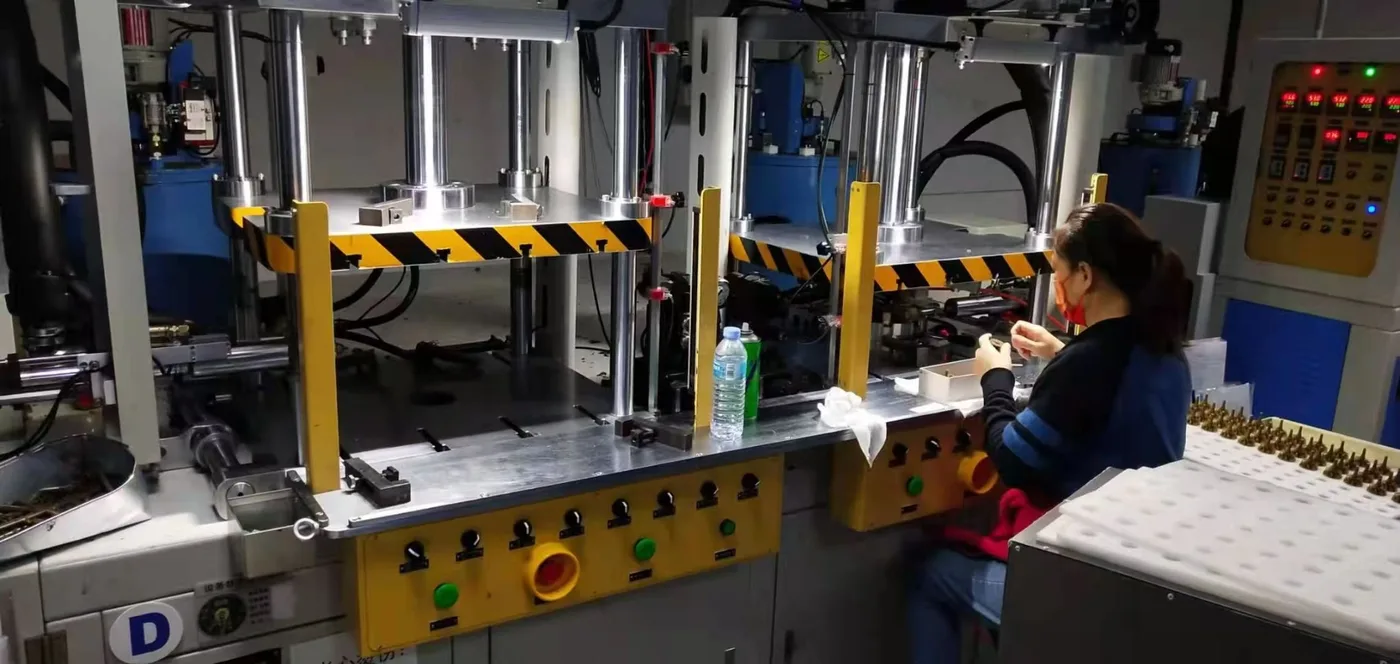
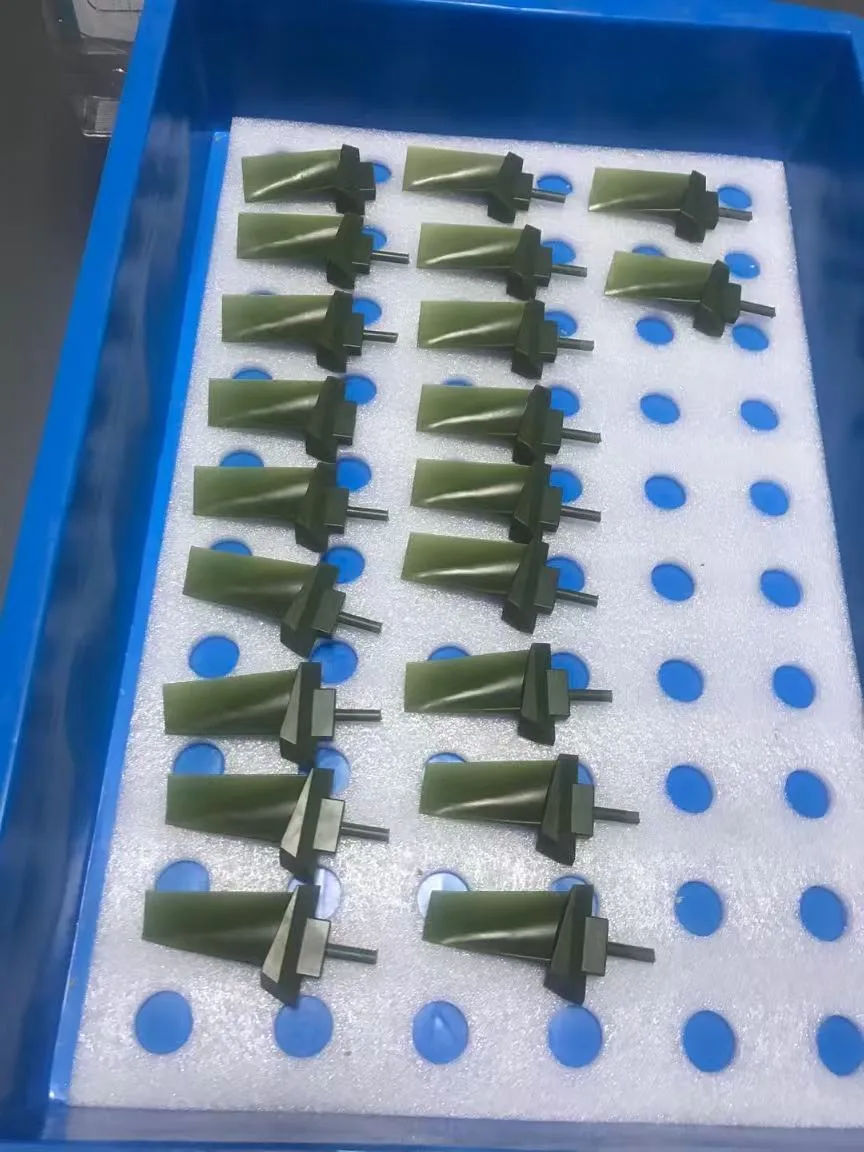
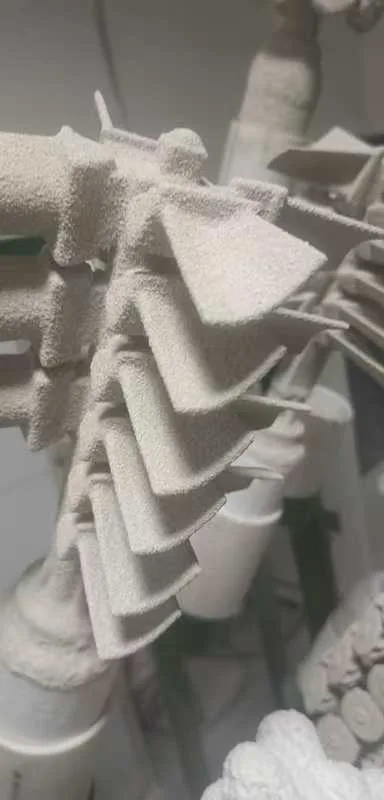
Airfoil & Defect Verification
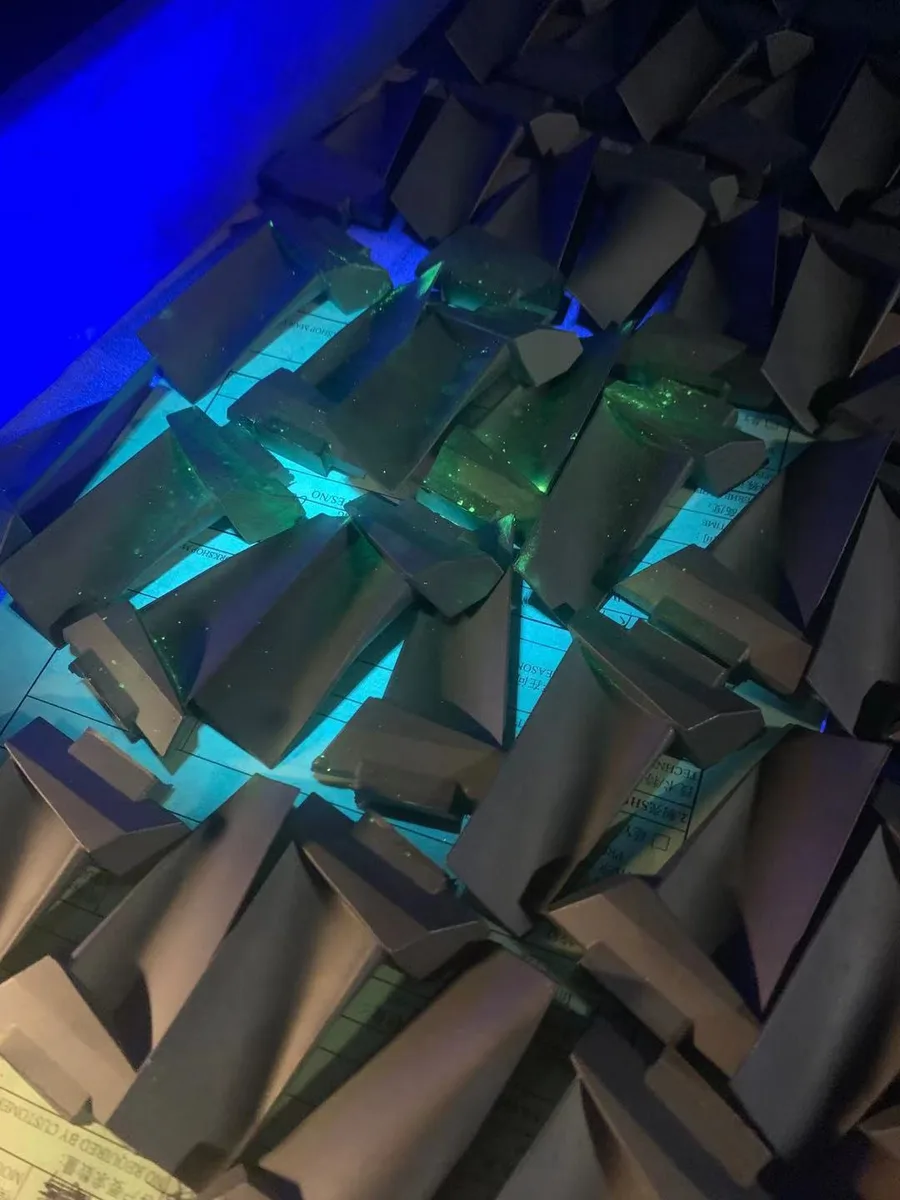
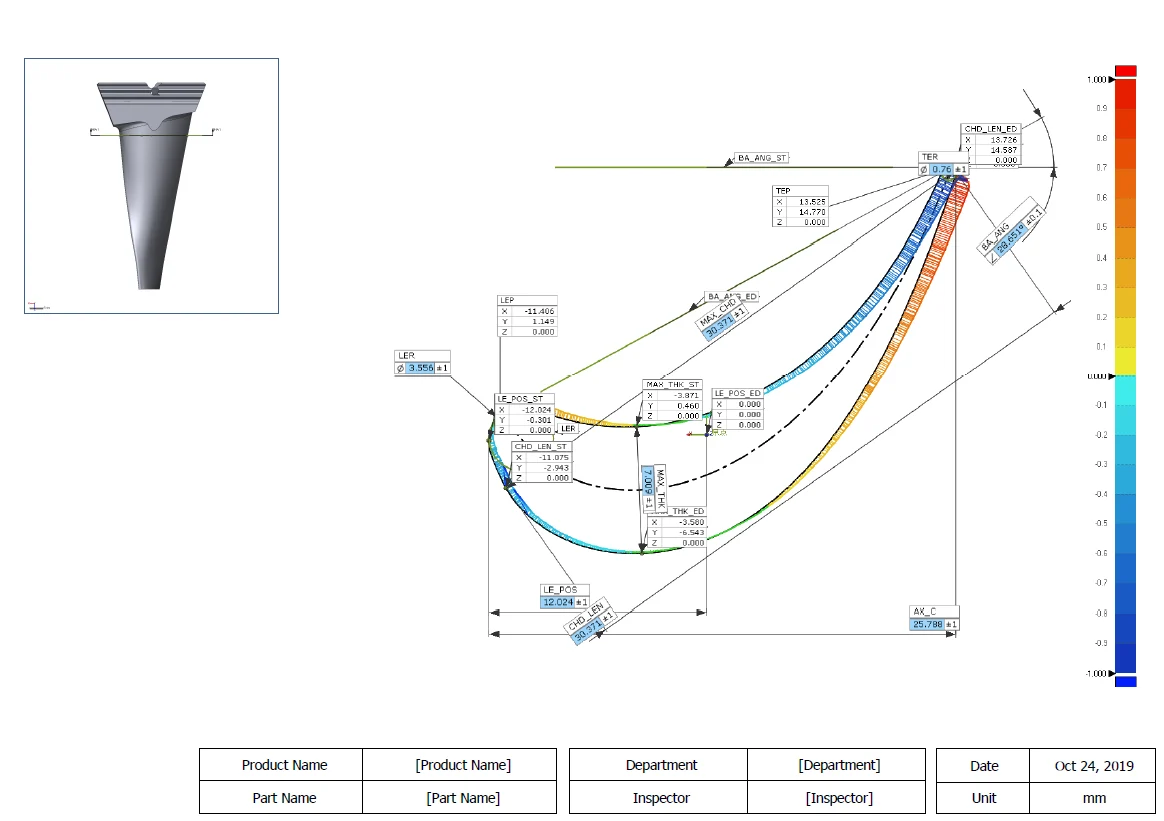
Inspection focused on both casting integrity and blade geometry. Fluorescent penetrant inspection was used to check for surface-breaking indications, while dedicated profile inspection and coordinate measurement were used to compare the airfoil against the nominal geometry. This is especially important on a blade, where a visually acceptable casting can still be outside the intended profile.
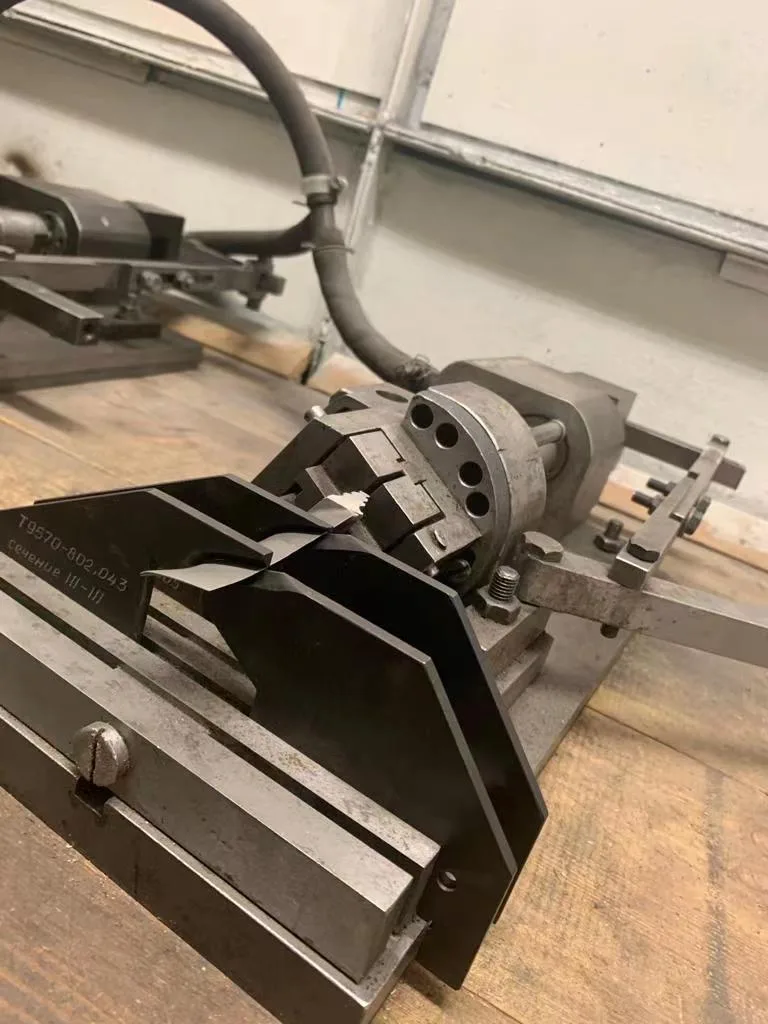
Blade profile inspection
Dedicated fixturing supports repeatable blade orientation while the airfoil is checked against the required profile. The short field video is presented as visual process evidence and is intentionally muted.
Click the image to view the inspection clip.
Result
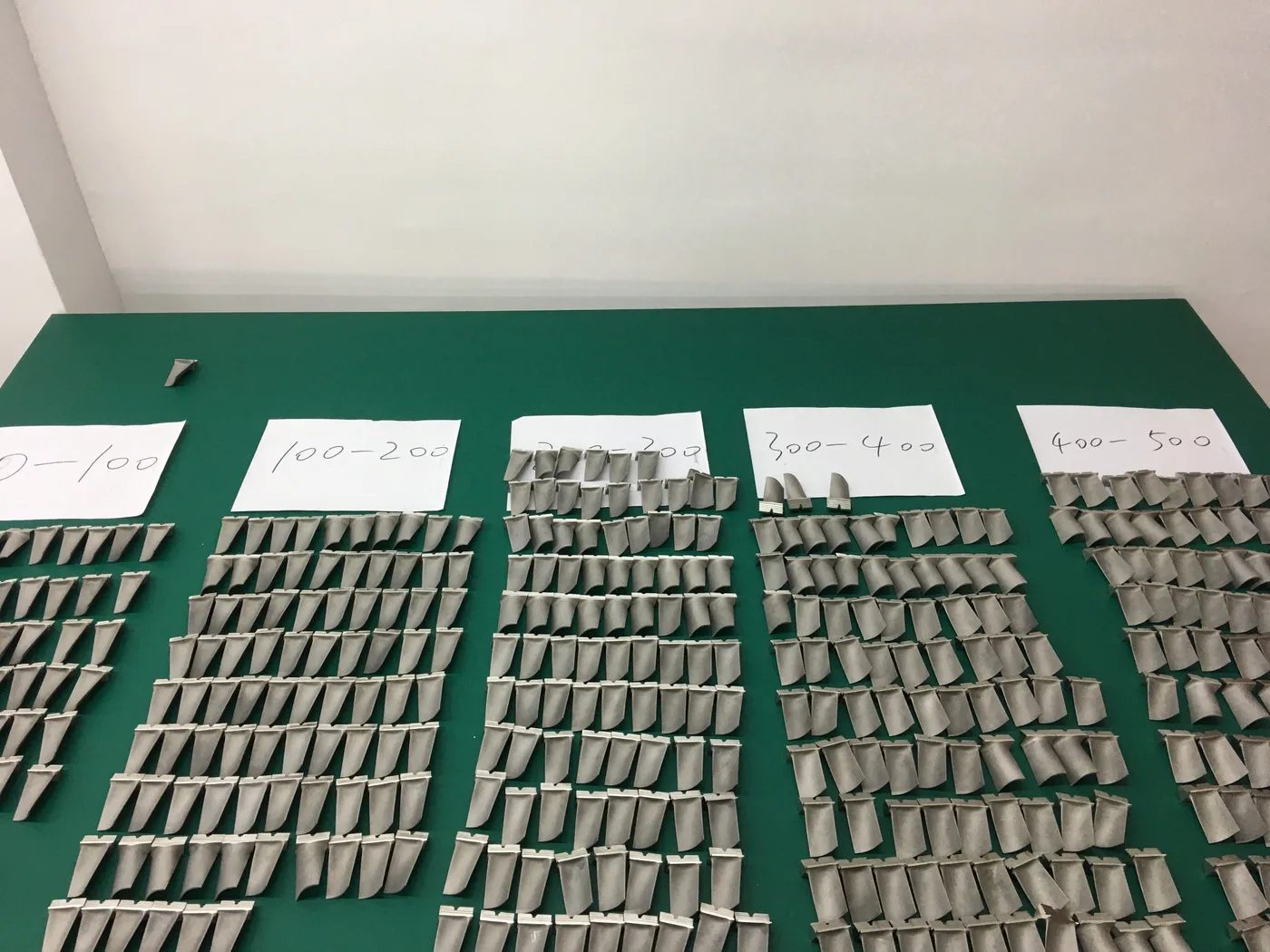
The completed route brought together specialized tooling, silica-sol investment casting, vacuum processing and multiple inspection methods for a geometrically demanding high-temperature component. Batch production was then organized for repeat inspection and release rather than treating each blade as a one-off casting.
This is the kind of project where the value lies in coordinating a demanding process rather than reducing it to a simple casting quotation. Detailed casting parameters are intentionally omitted from this public case study. For a similar nickel-based superalloy component, the drawing, material specification, quantity and inspection requirements are the right starting point for review.