Integrated OEM Fabrication Case Study
Background
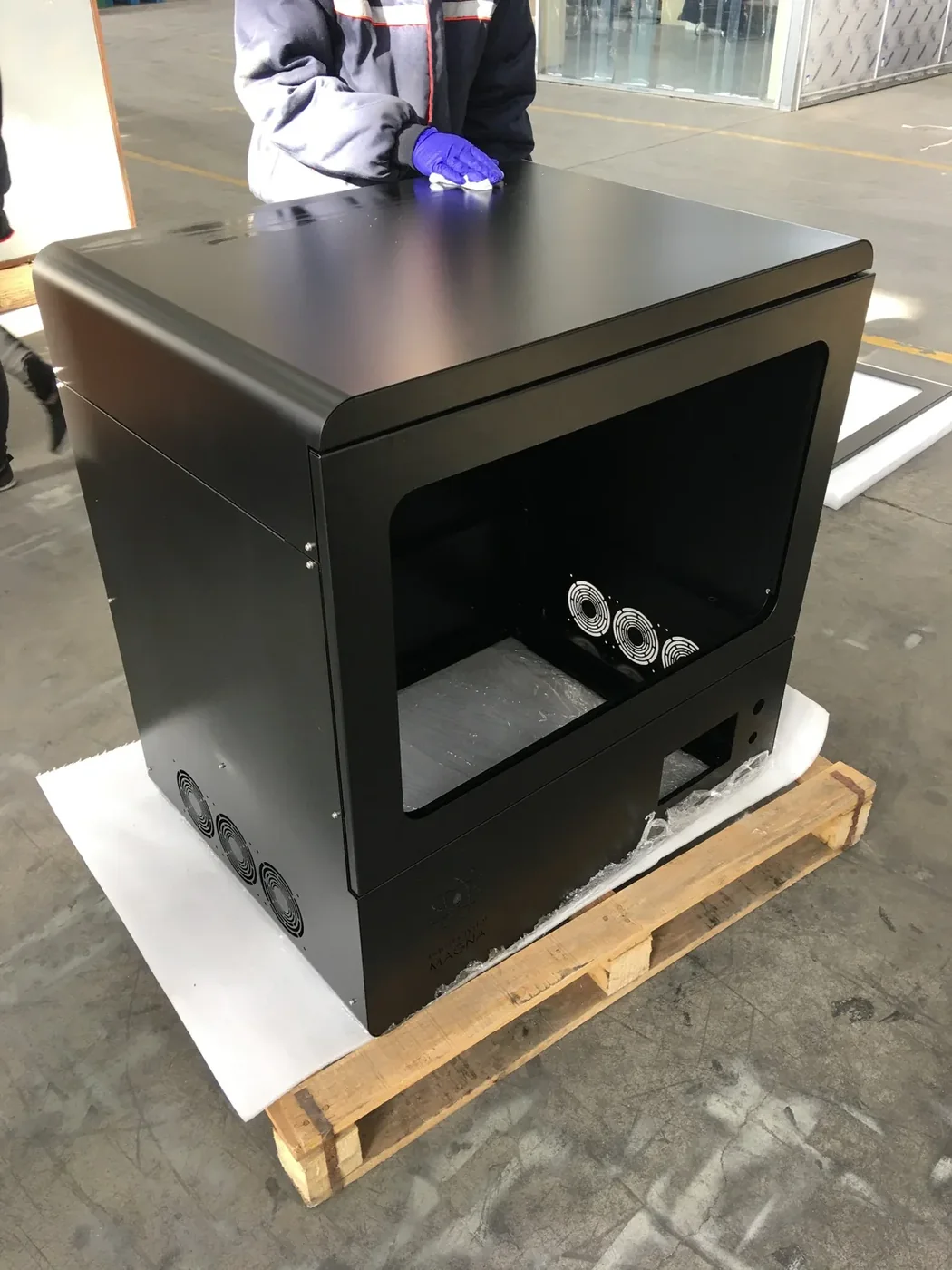
This project covered structural manufacturing for a large-format industrial 3D printer. The scope extended well beyond a single part: the customer referred to the visible sheet-metal outer panels as the cladding, the welded internal structure as the frame, and the machine also required selected CNC-machined support components.
The cladding was laser cut, CNC bent and formed with large-radius features before coating. The frame was built from accurately prepared steel members, welded as a complete structure and then coated. During final assembly, the cladding was riveted to the frame, so fastening interfaces and hole locations had to remain usable after finishing.
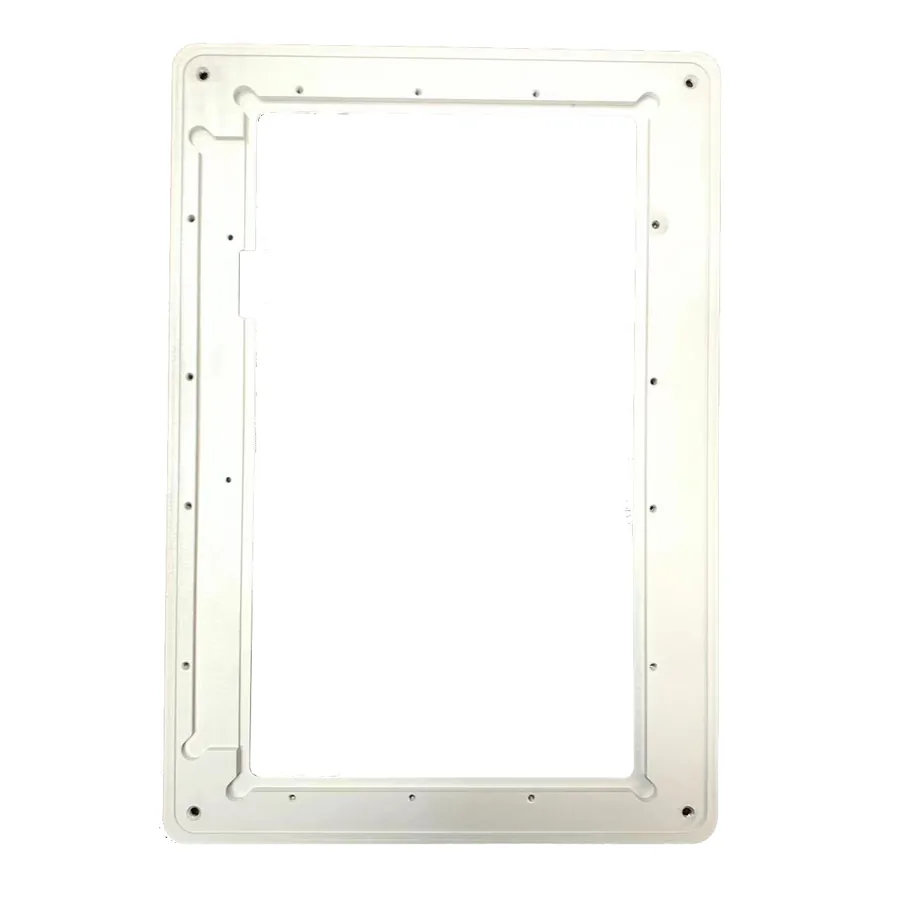
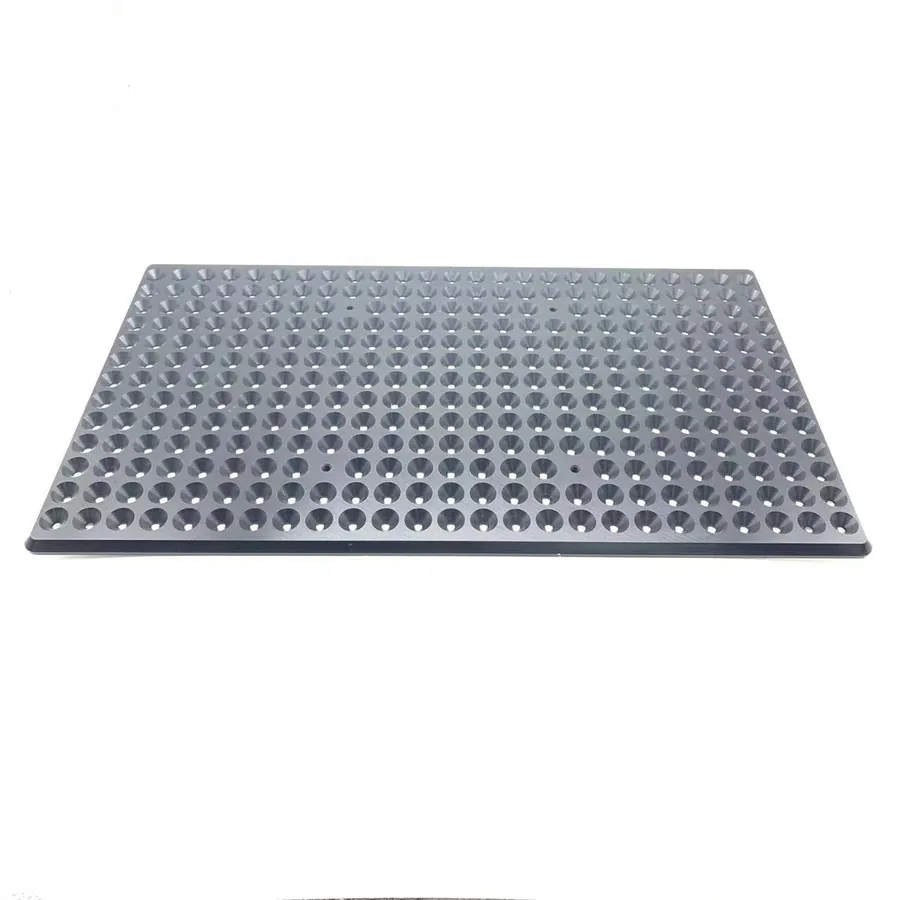
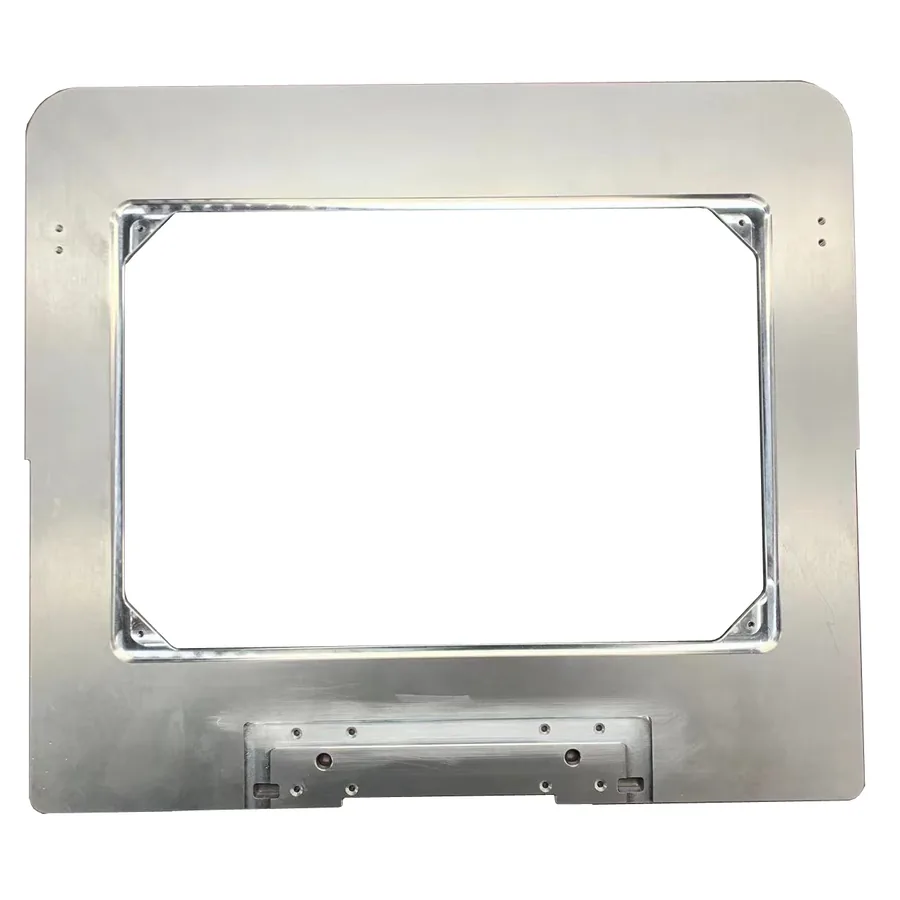
Inside the machine, a large aluminum support plate was machined from solid stock on a 3-axis machining center and dimensionally verified before assembly. The result was a multi-process OEM program in which sheet metal, welding, coating and machining all had to meet the same equipment-level geometry.
The Challenge
The main difficulty was not one unusually complex operation. It was the number of interfaces between different manufacturing routes. Large cladding panels make flatness, edge alignment and cosmetic consistency visible. A welded frame can move during fabrication. Powder coating adds thickness at holes and mating surfaces. Machined internal parts still have to locate correctly inside the finished structure.
That meant dimensional control could not stop at the individual-part level. The frame, cladding and machined supports had to remain compatible through fabrication, coating and final equipment assembly, while the visible exterior also needed a consistent finished appearance.
What We Supplied
Sheet-Metal Outer Panels
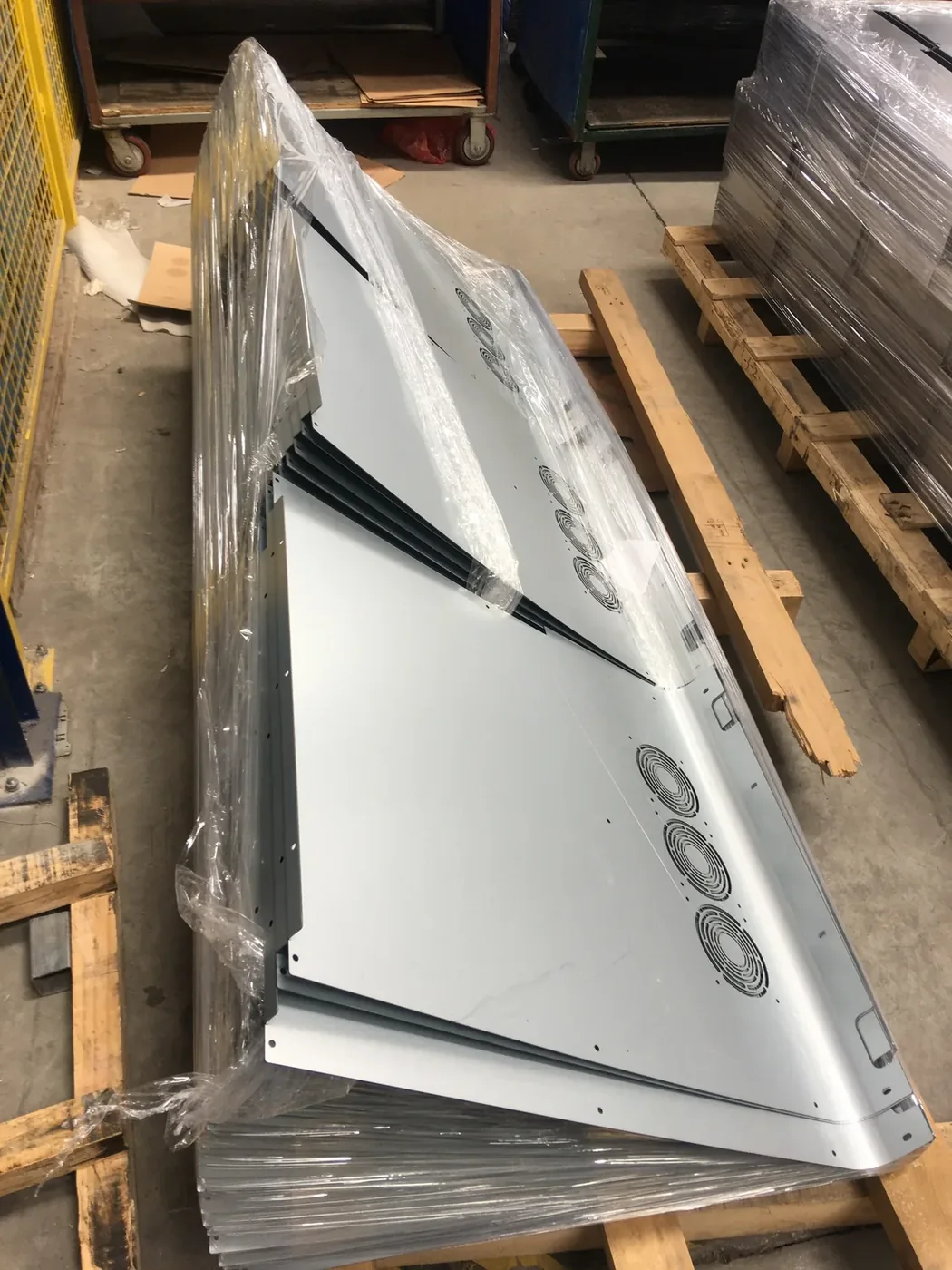
Laser-cut panels with CNC bending, formed radiused sections, ventilation features, powder coating and controlled riveting interfaces.
Welded Steel Structure
Cut steel members assembled and welded on a fabrication platform, with geometry controlled for coating and later cladding installation.
Machined Aluminum Supports
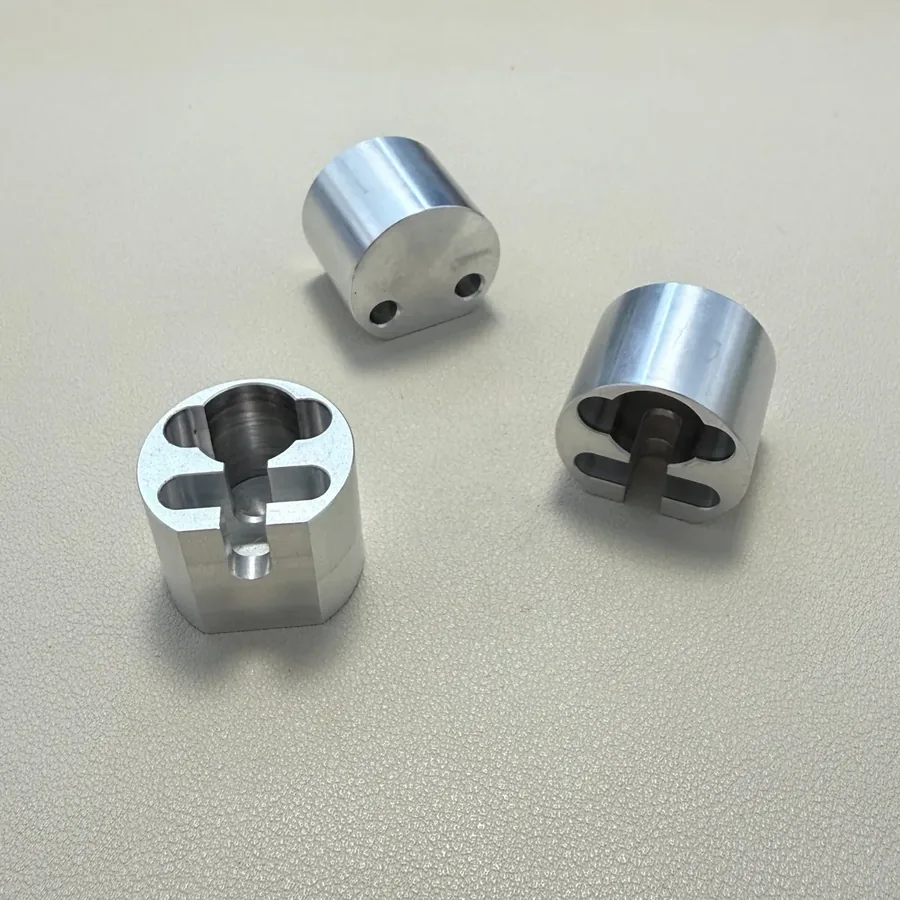
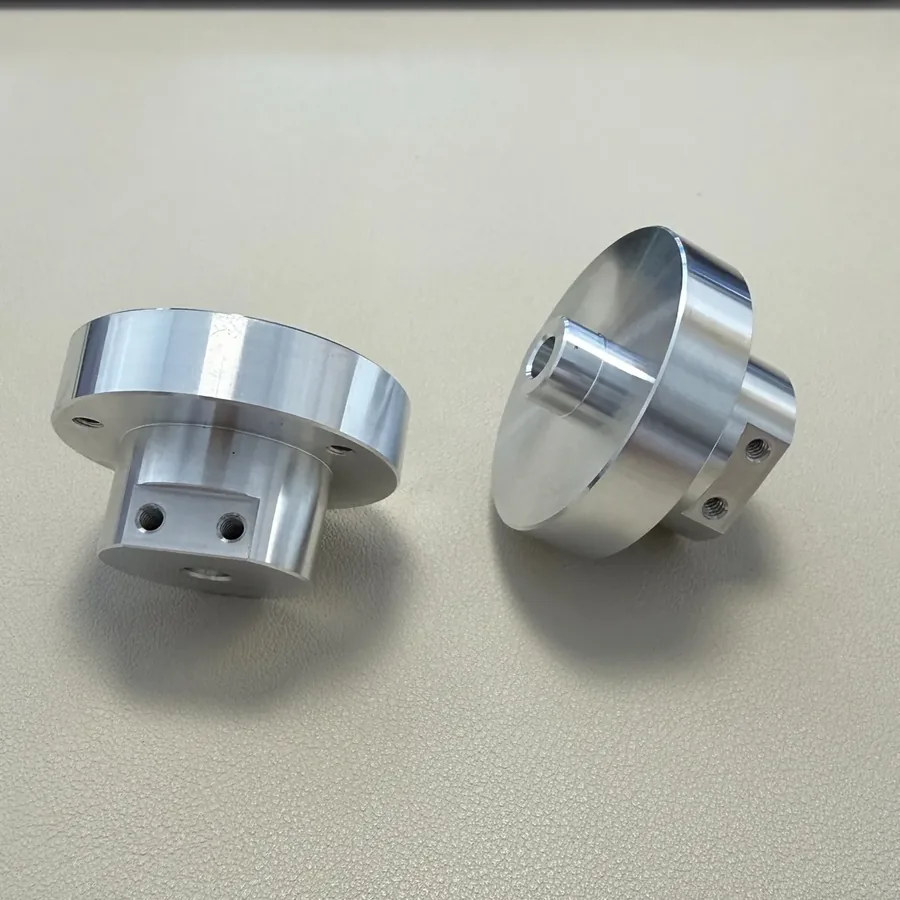
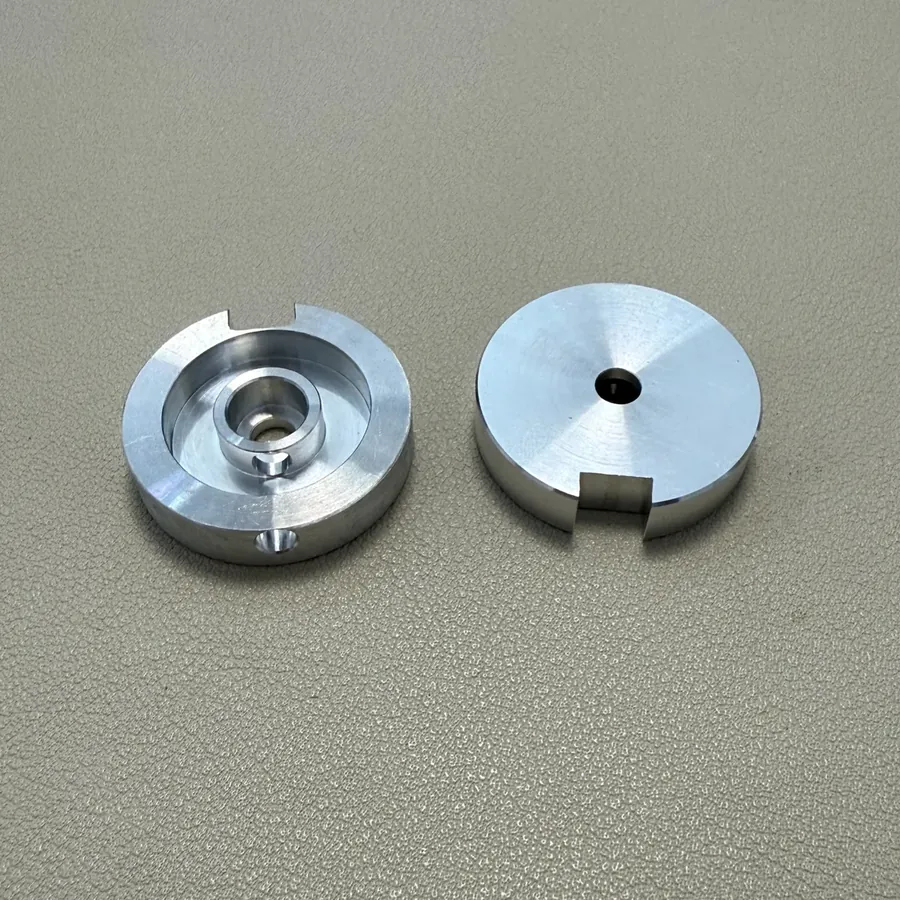
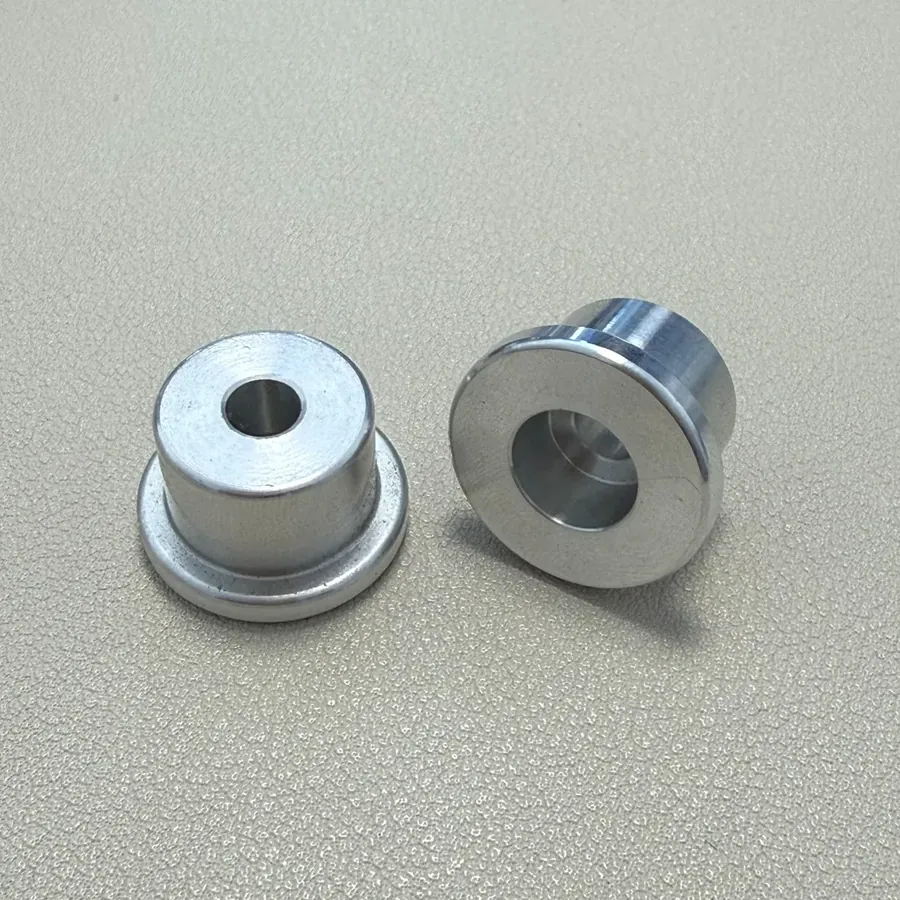
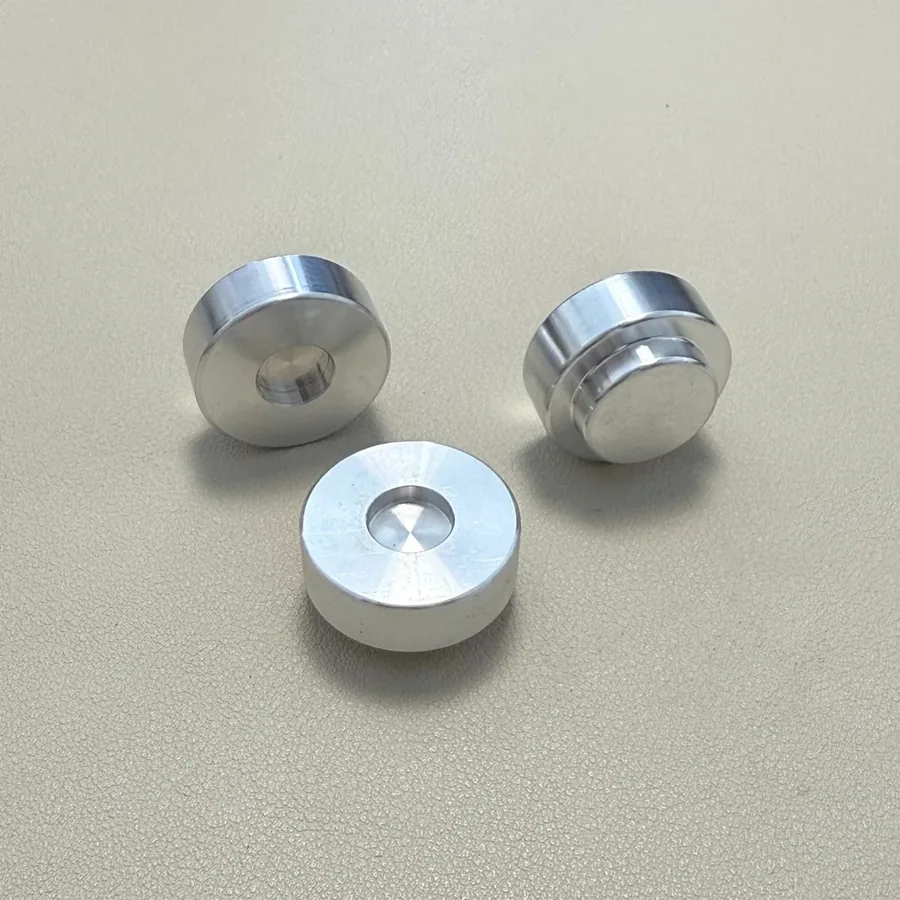
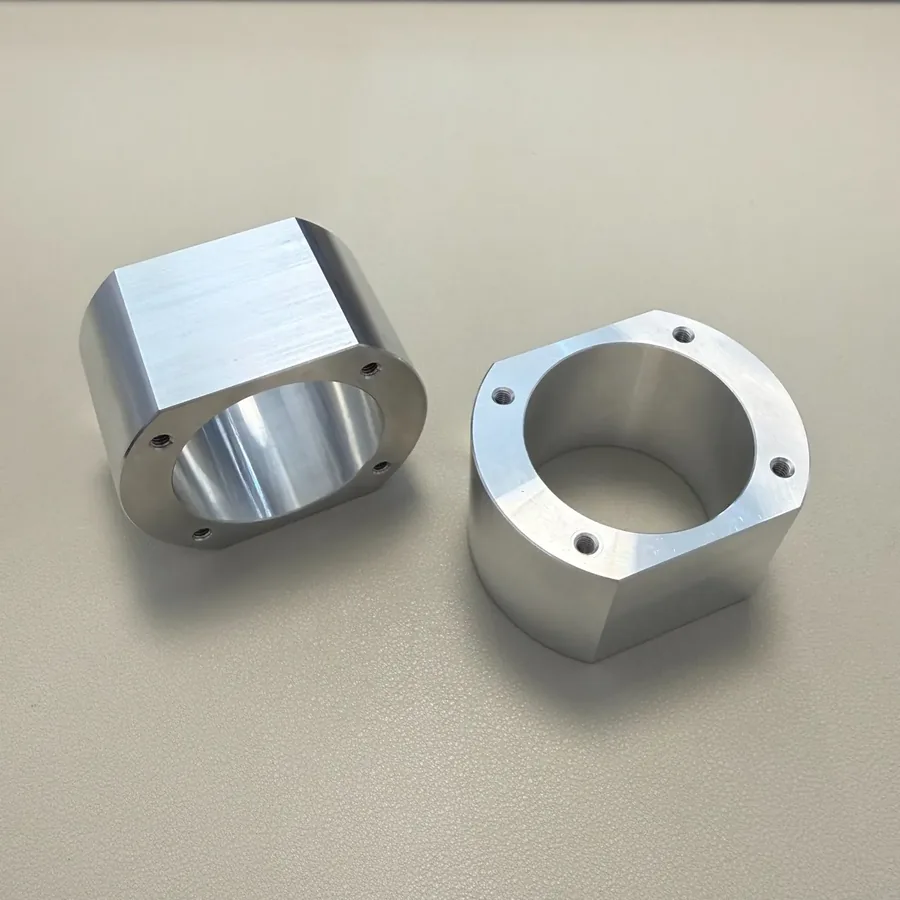
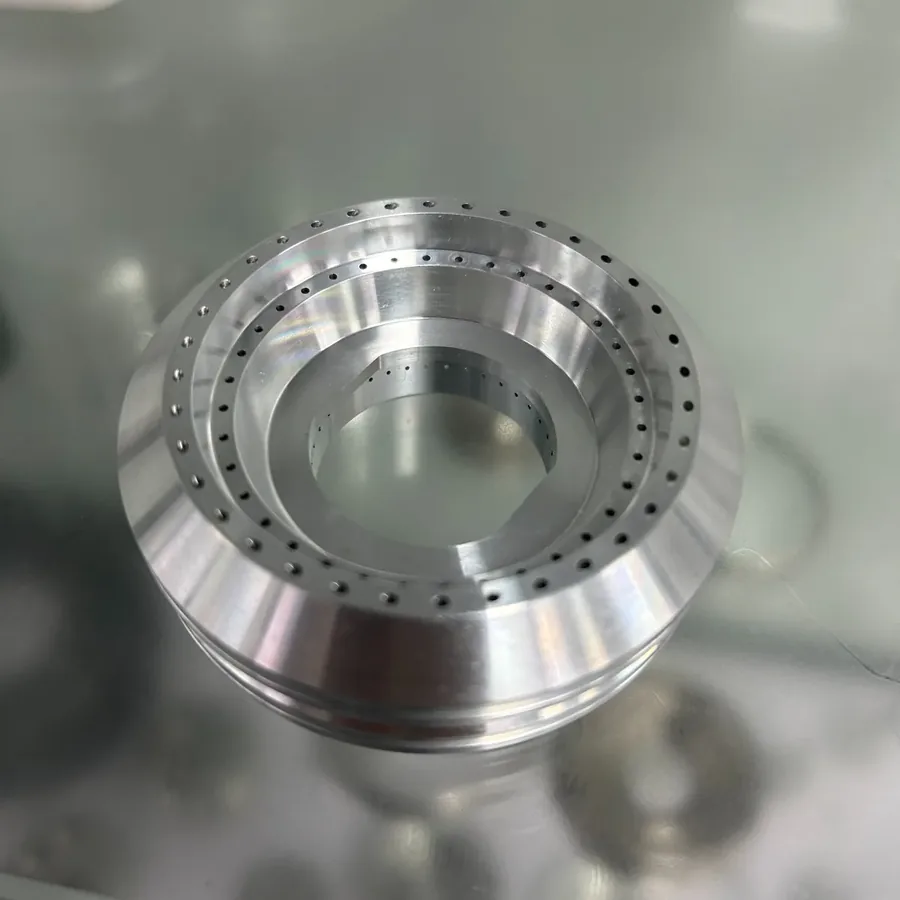
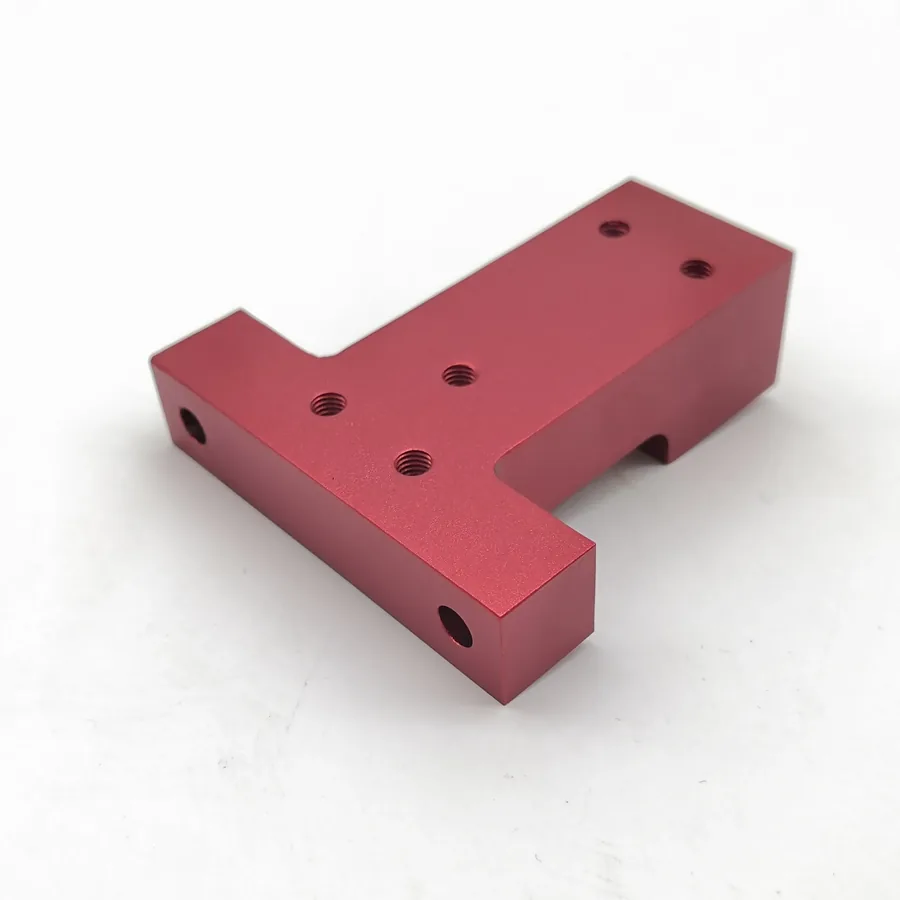
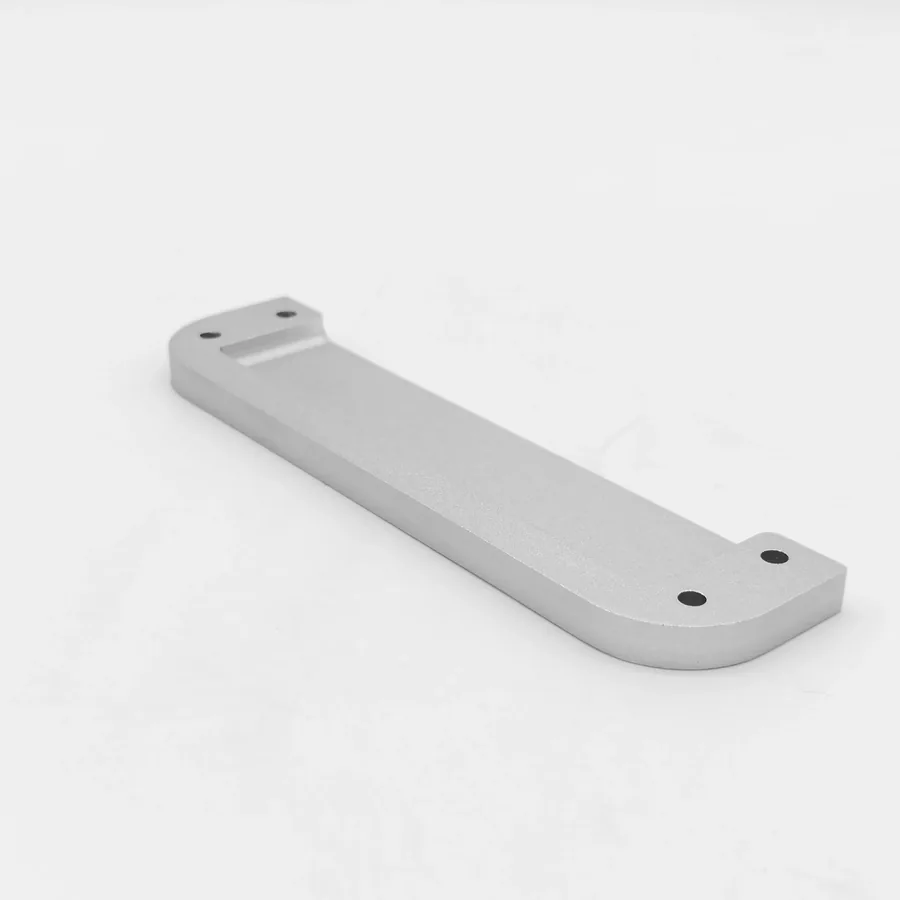
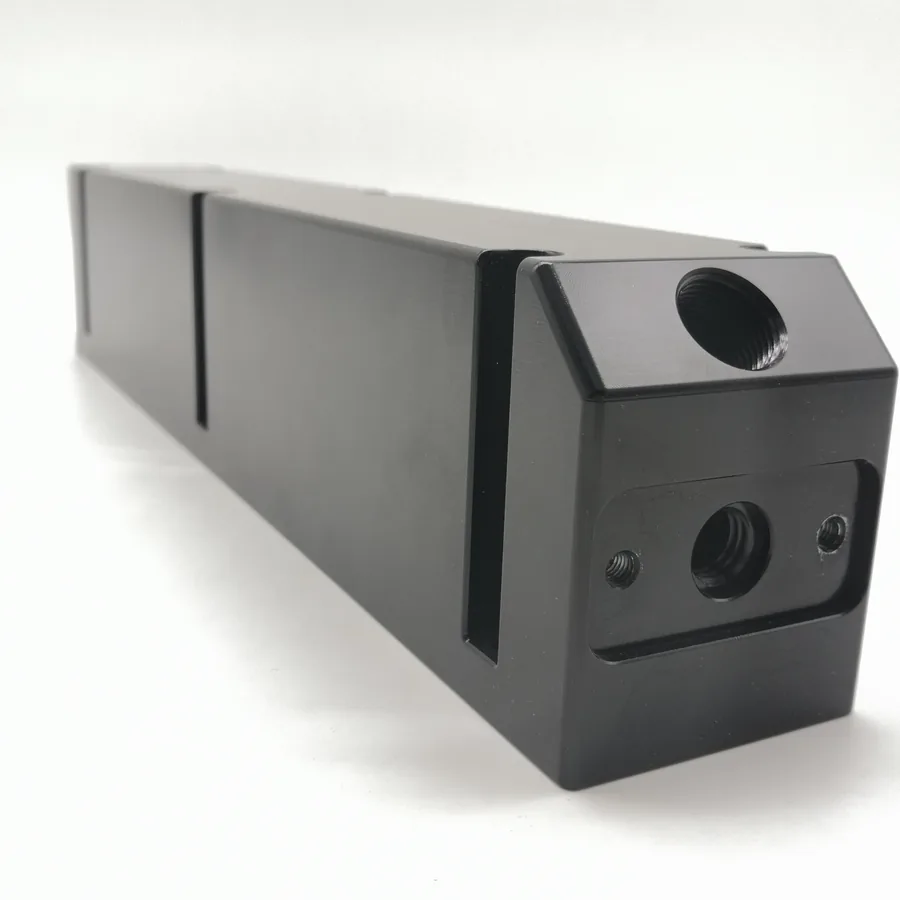
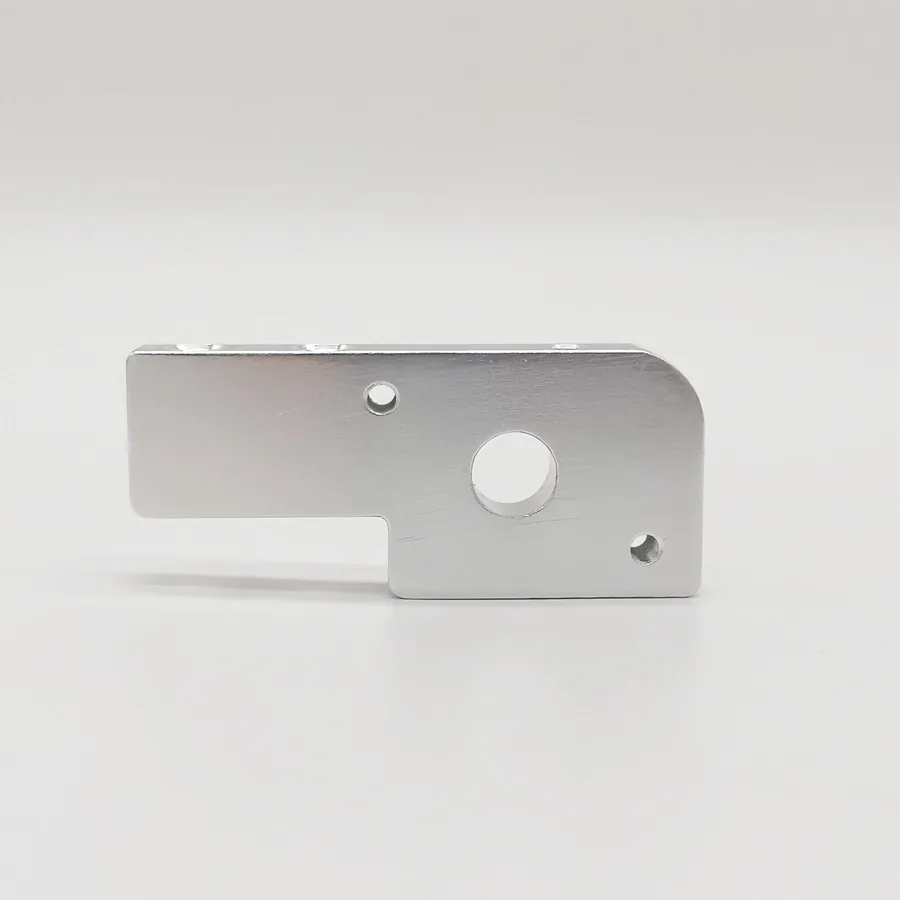
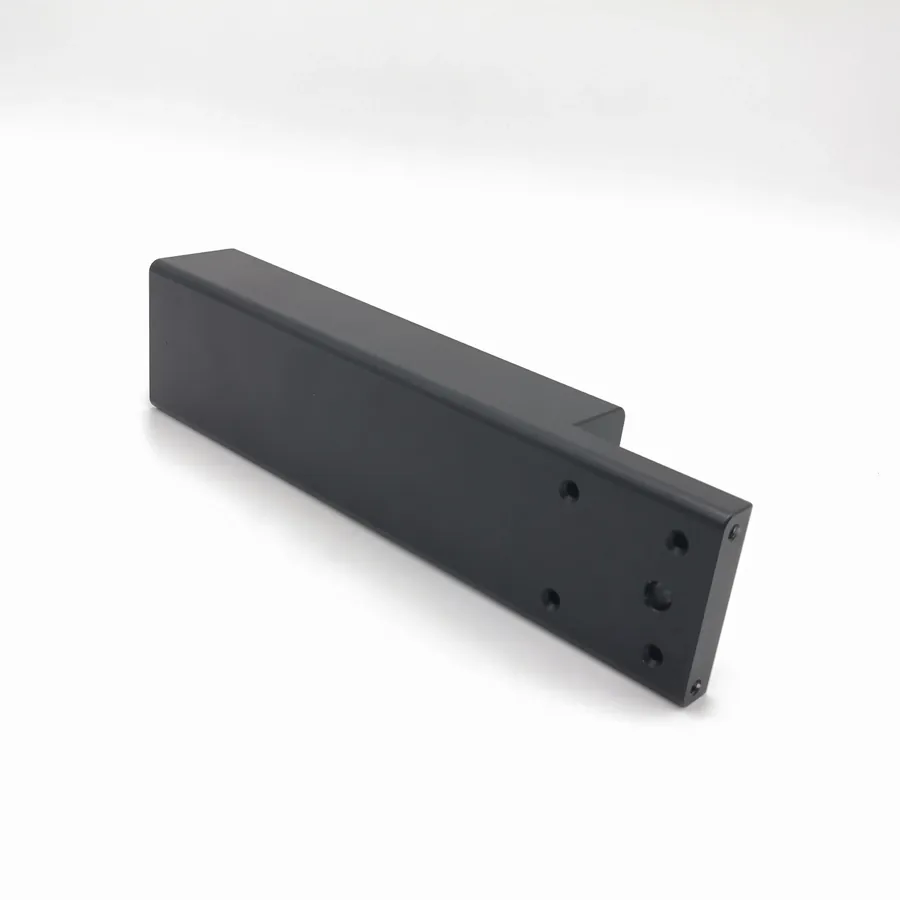
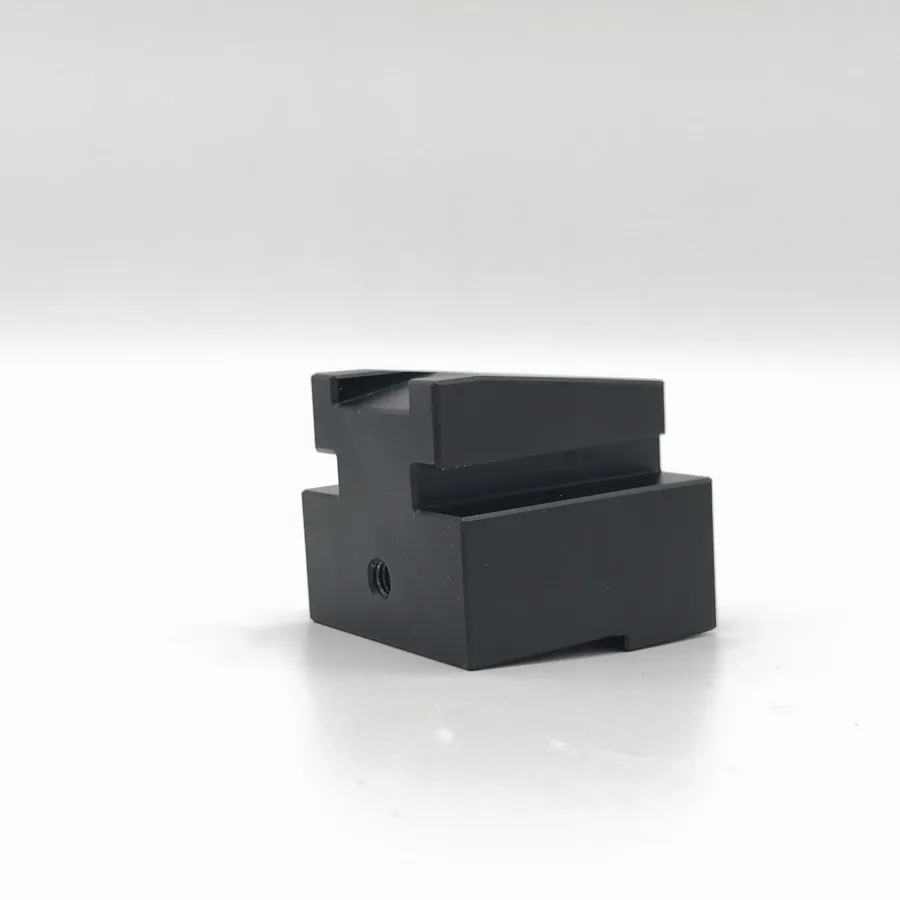
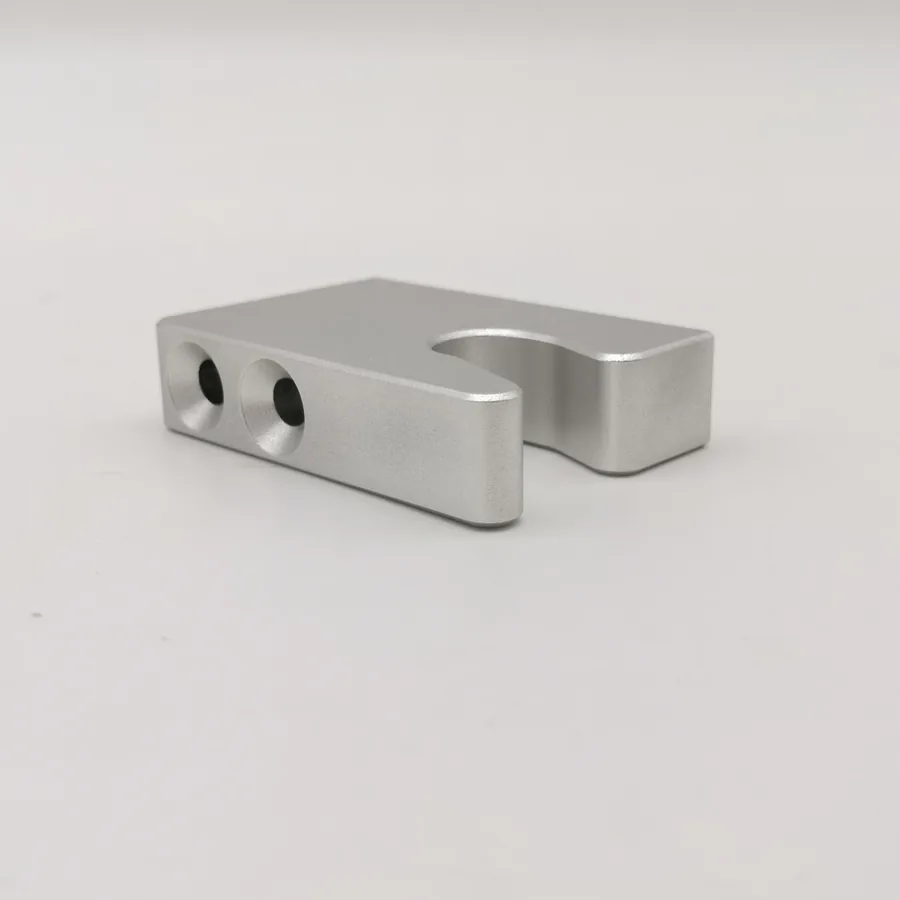
A large structural plate machined from solid aluminum on a 3-axis machining center, together with additional smaller support components.
Production Evidence
This was not a simple one-direction process that fits naturally into Step 1, Step 2 and Step 3. The photographs below show the separate production streams that had to be controlled in parallel and then brought together in the finished printer structure.
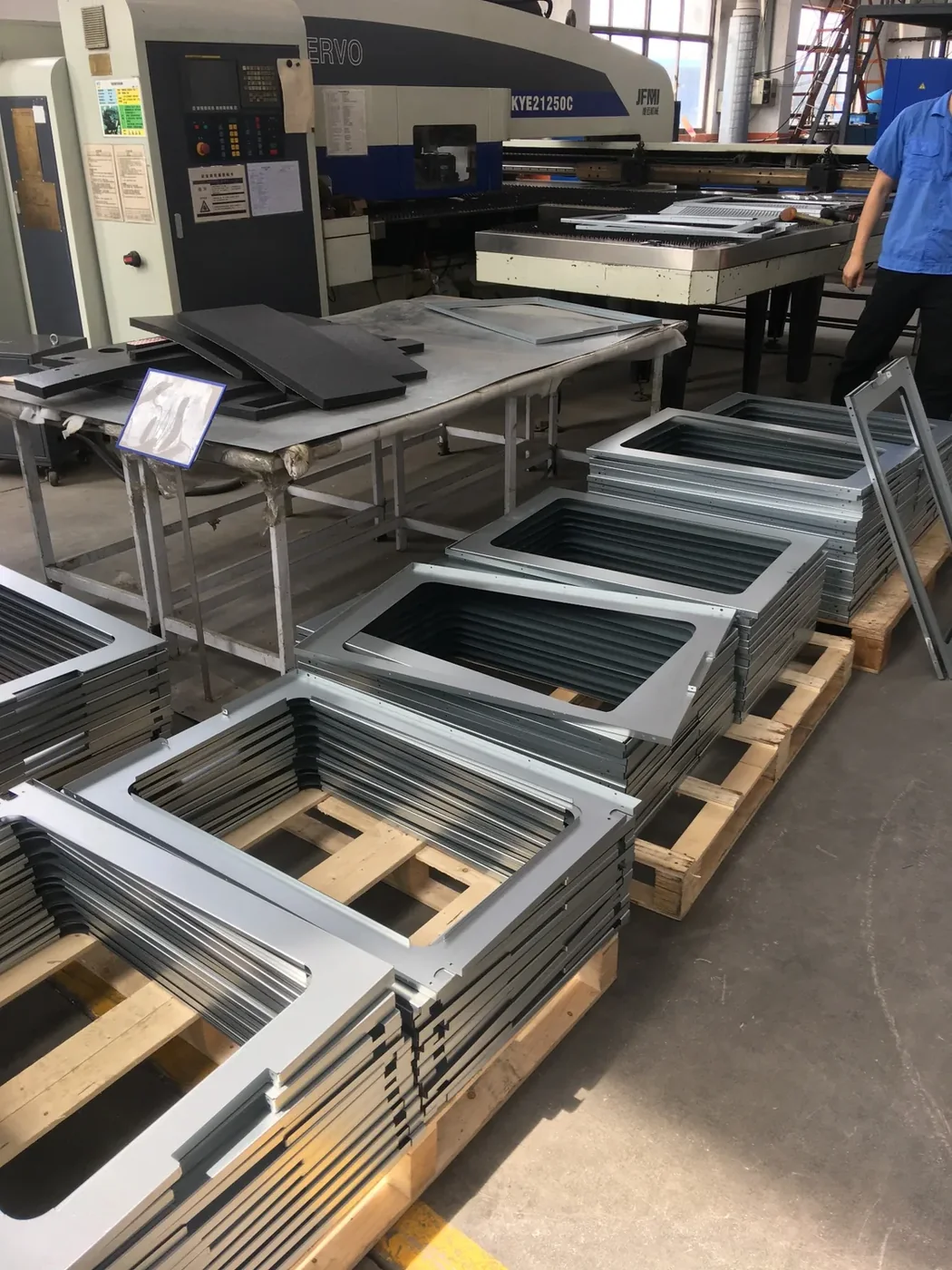
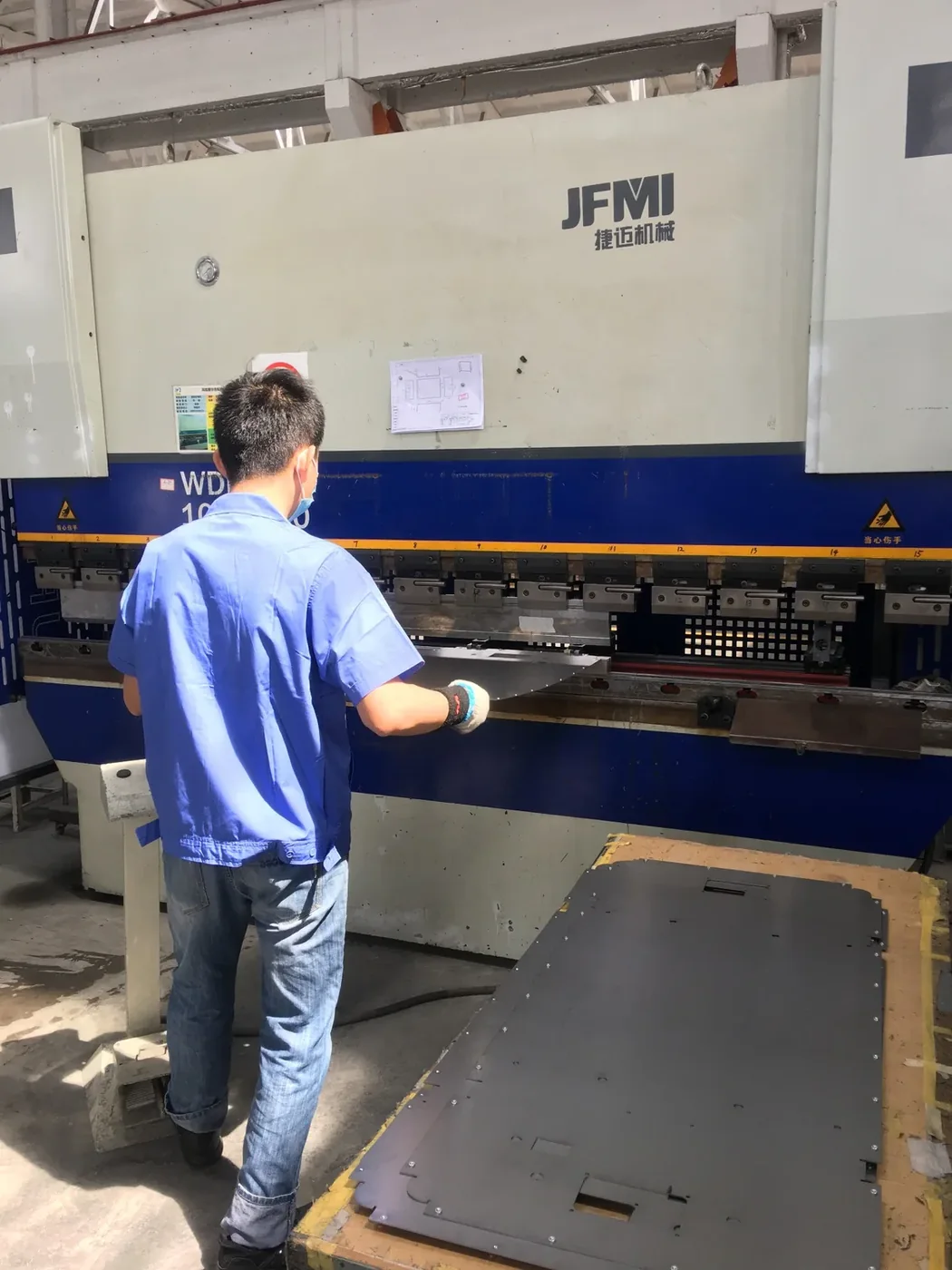
Laser cutting, CNC bending and formed outer panels
The cladding began as sheet metal, then moved through laser cutting and CNC press-brake forming. Several panels included large formed radii rather than simple straight bends, so repeatable geometry and handling of the visible surfaces mattered throughout the batch.
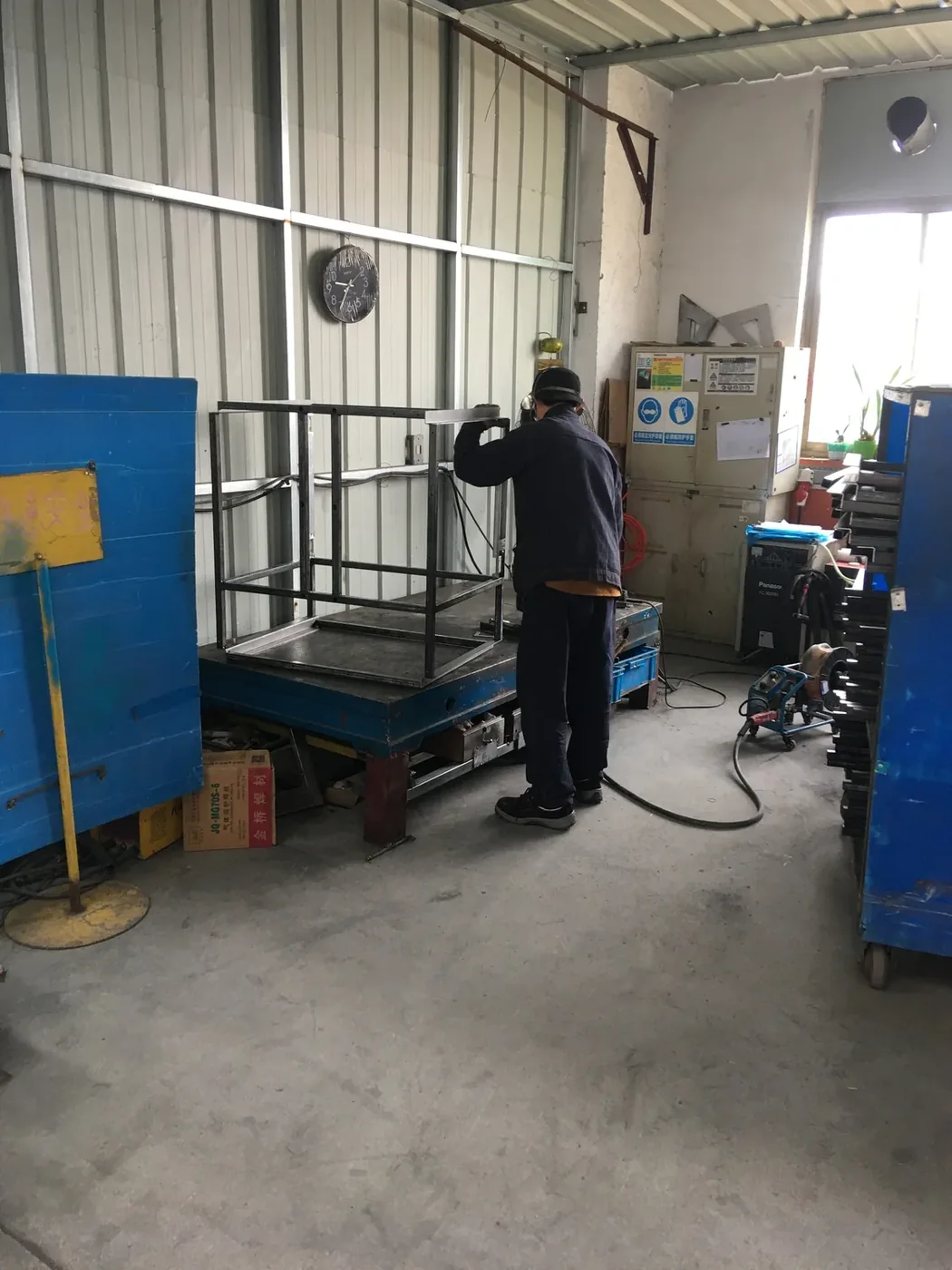
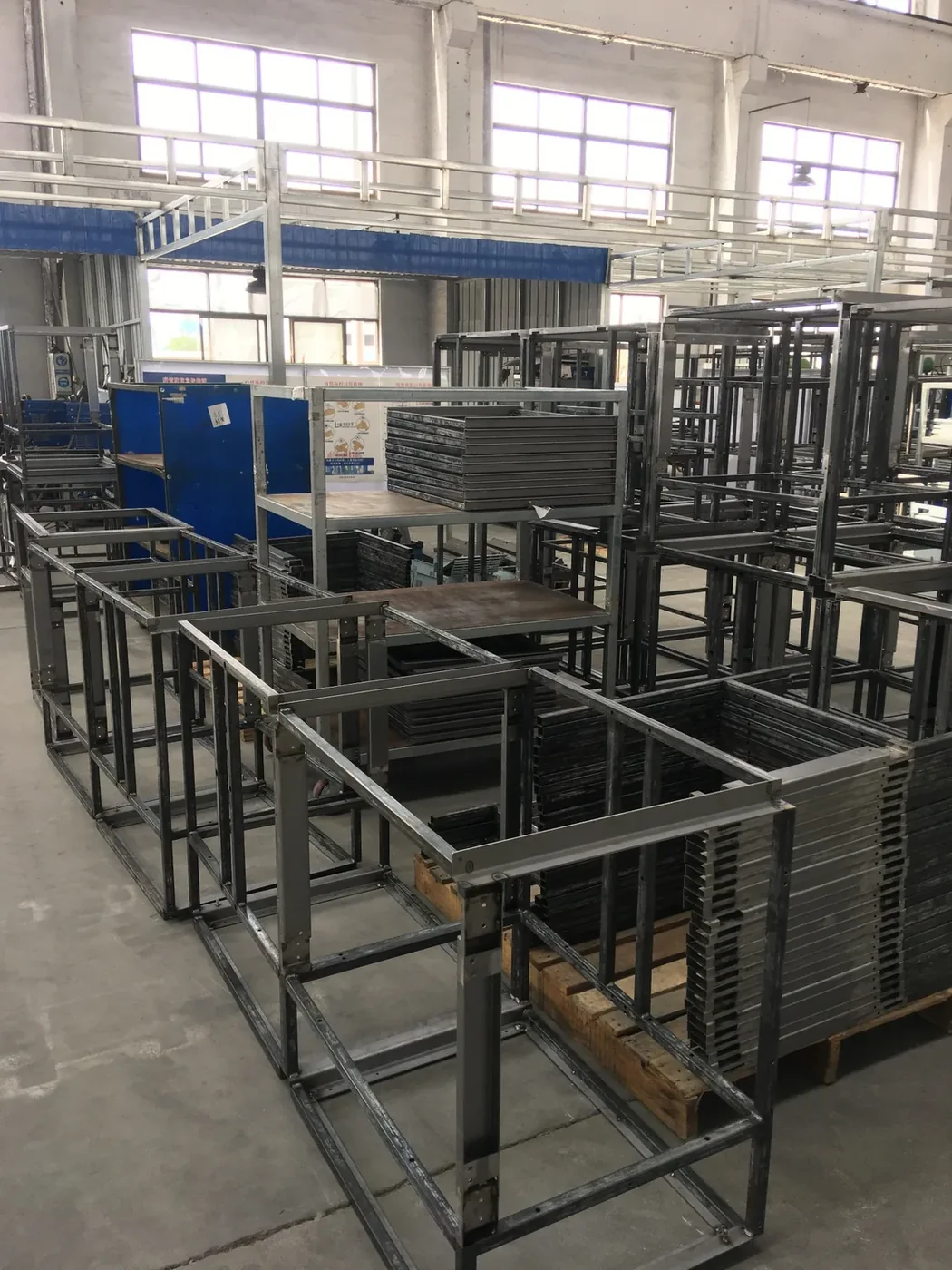
Prepared members, fixture welding and repeat frame geometry
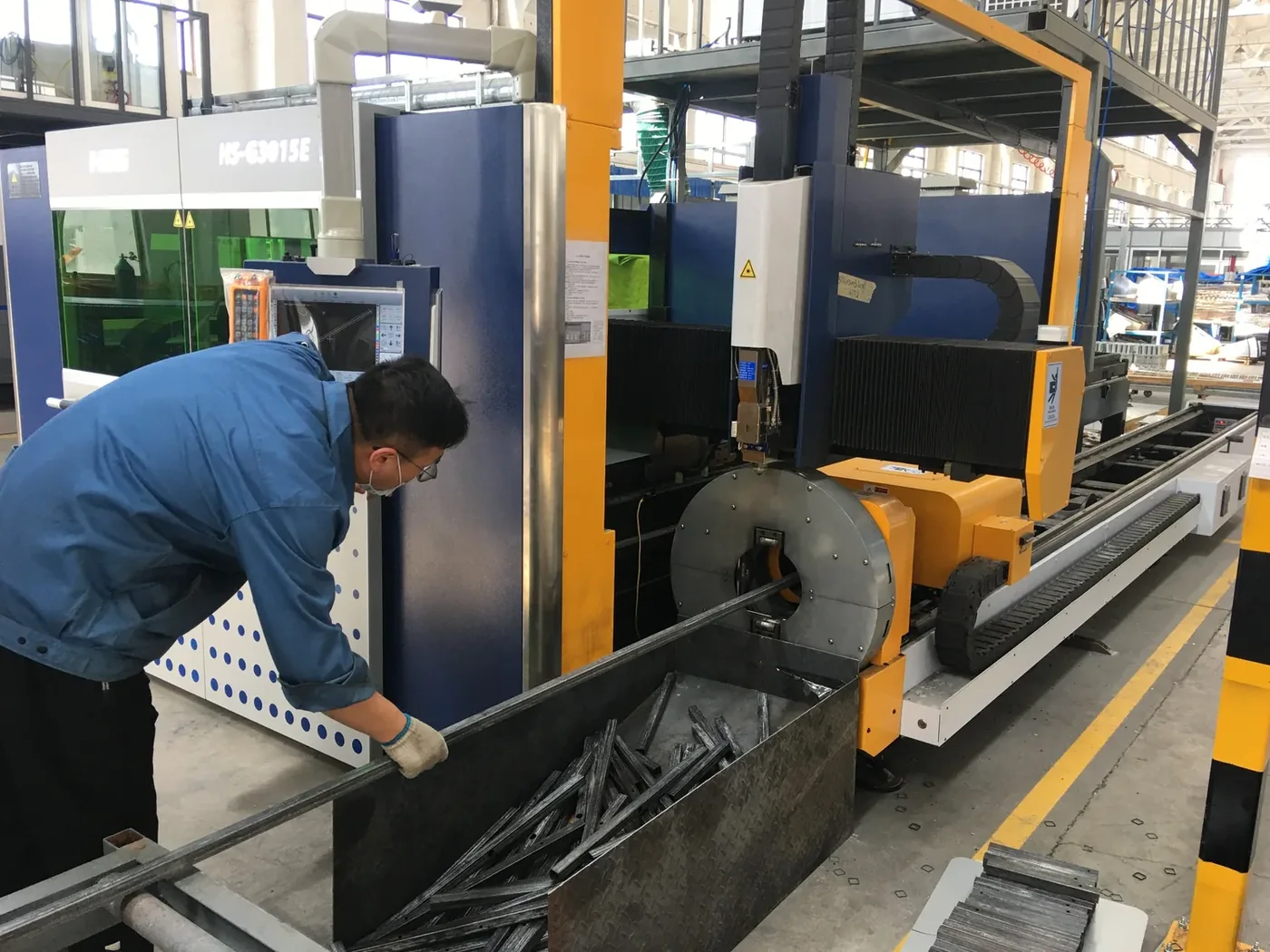
The internal frame was produced as a structural fabrication rather than as a collection of loose cut pieces. Members were prepared with CNC-controlled cutting, then welded as complete frames on a fabrication platform. Batch photos show why repeatability at this stage matters: every frame ultimately has to accept the same cladding and internal hardware.
Powder coating without losing the fit needed for riveting
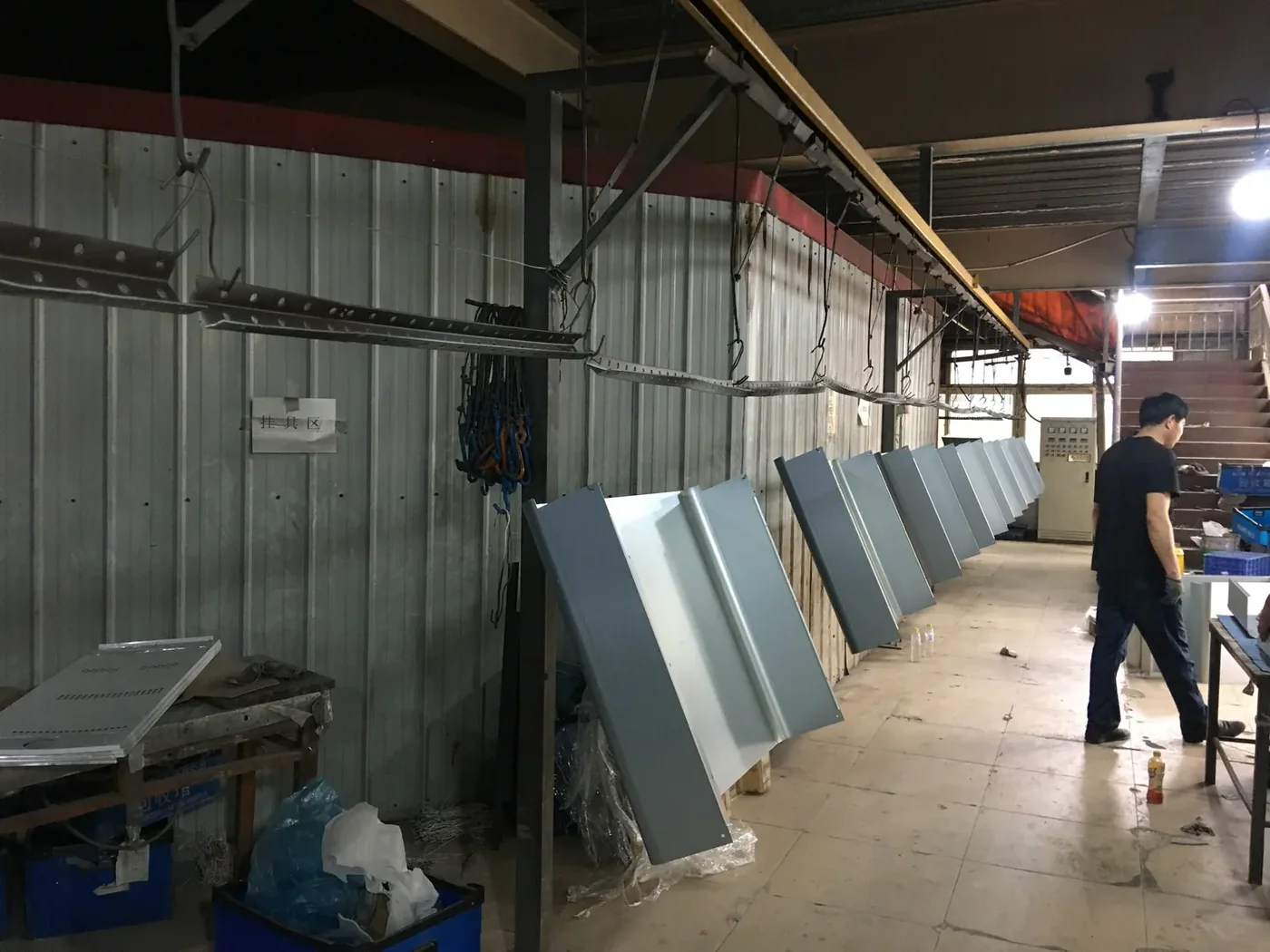
Both the external cladding and the frame required a durable coated finish. Because the outer panels were later riveted to the structure, selected holes and fastening interfaces had to be protected from unnecessary coating build-up. Appearance and assembly compatibility therefore had to be considered at the same time.
Large aluminum support plate machined from solid stock
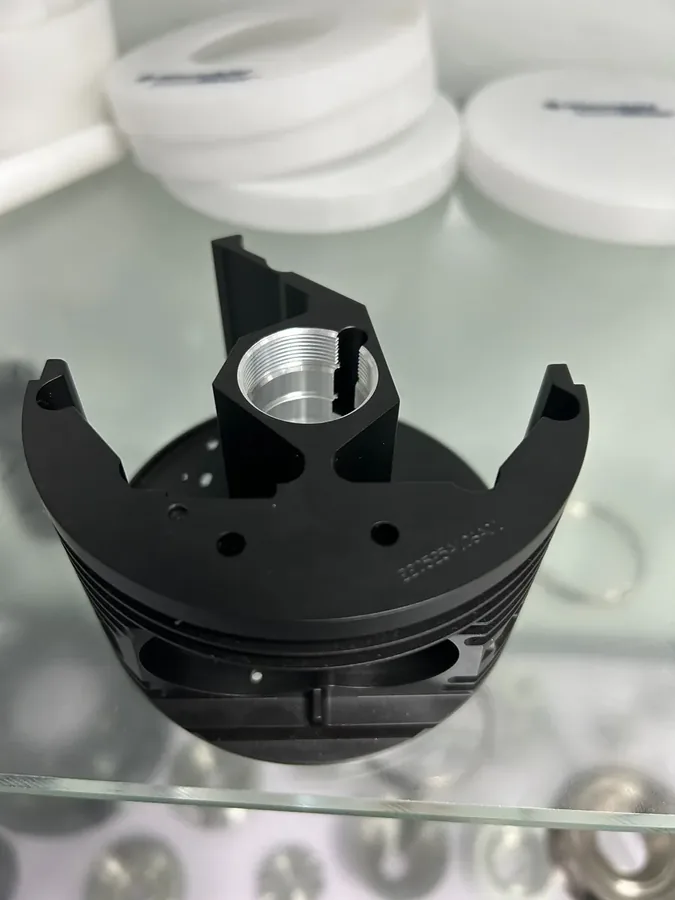
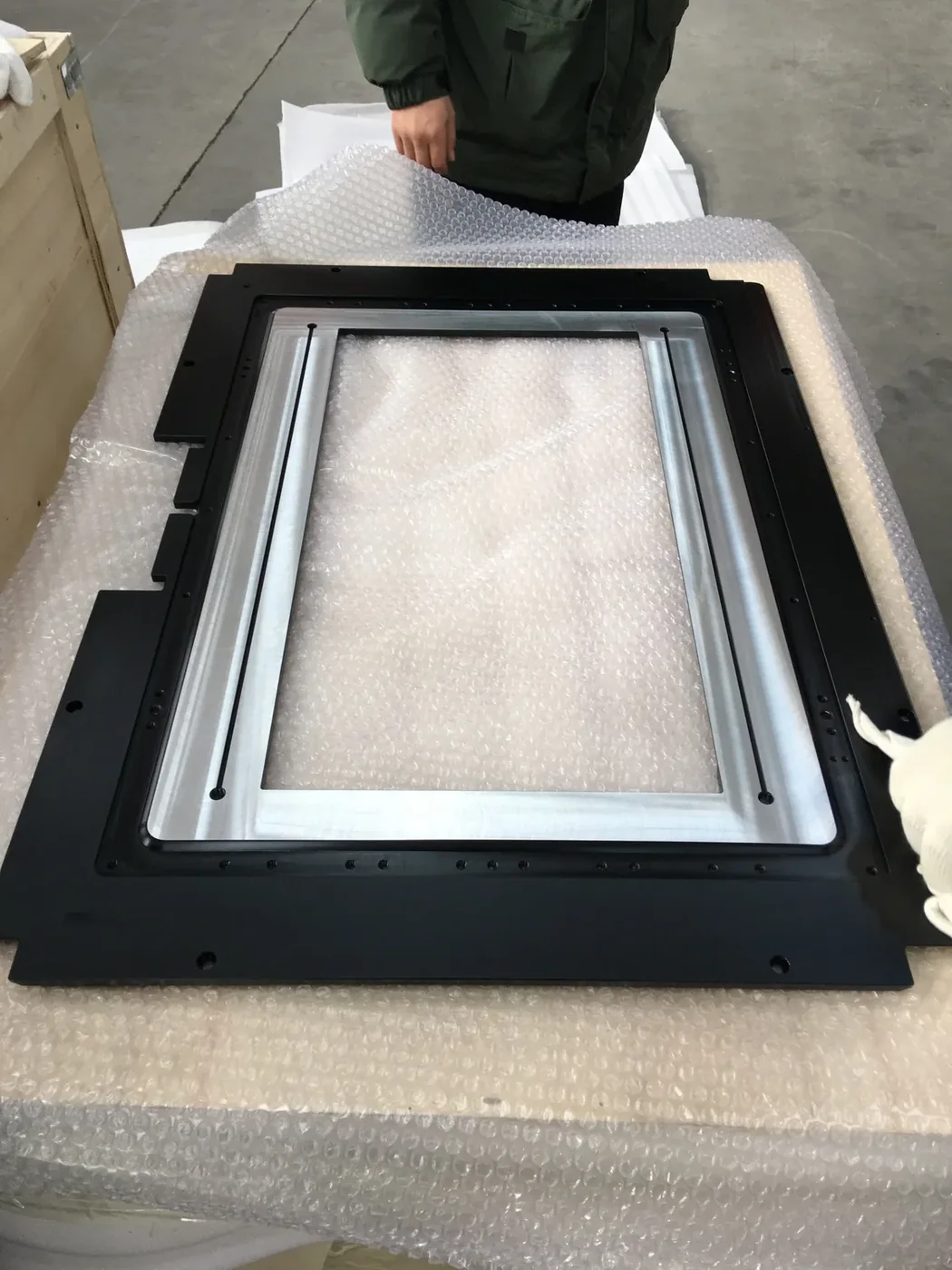
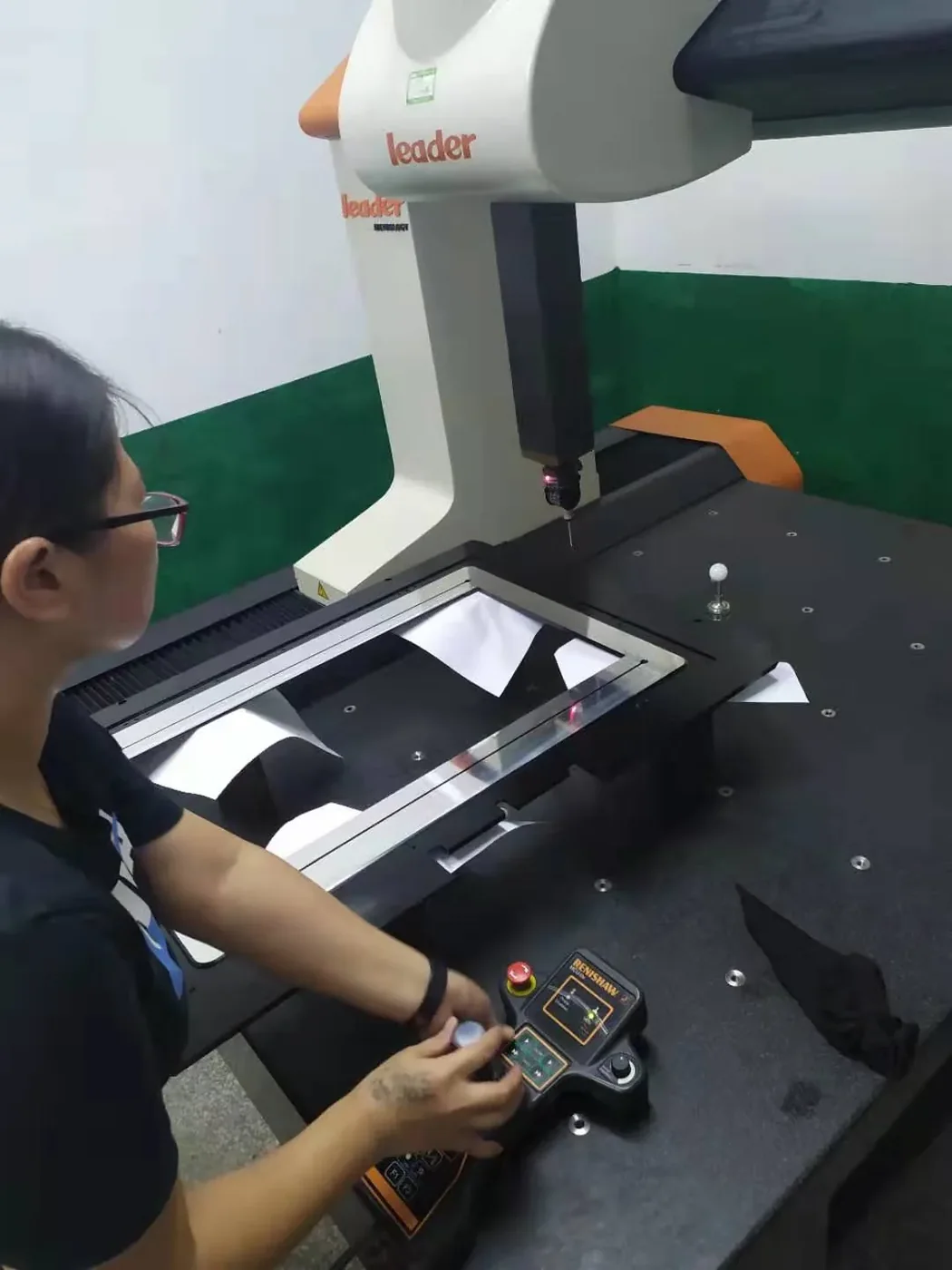
The program also included a substantial internal aluminum support plate. It was machined directly from a solid plate on a 3-axis machining center, creating the recessed geometry, slots, holes and mounting features required by the printer structure. CMM inspection provided dimensional verification before the component moved into assembly.
One coordinated equipment structure, not a collection of isolated parts.
The completed enclosure brings the project together: visible cladding, a welded internal frame and machined support parts all had to reach final assembly without creating fit-up problems between processes.
For similar specialized OEM equipment, this kind of program is a useful example of coordinating sheet-metal fabrication, structural welding, powder coating, CNC machining and dimensional inspection under one manufacturing plan.