Casting & DFM Case Study
Background
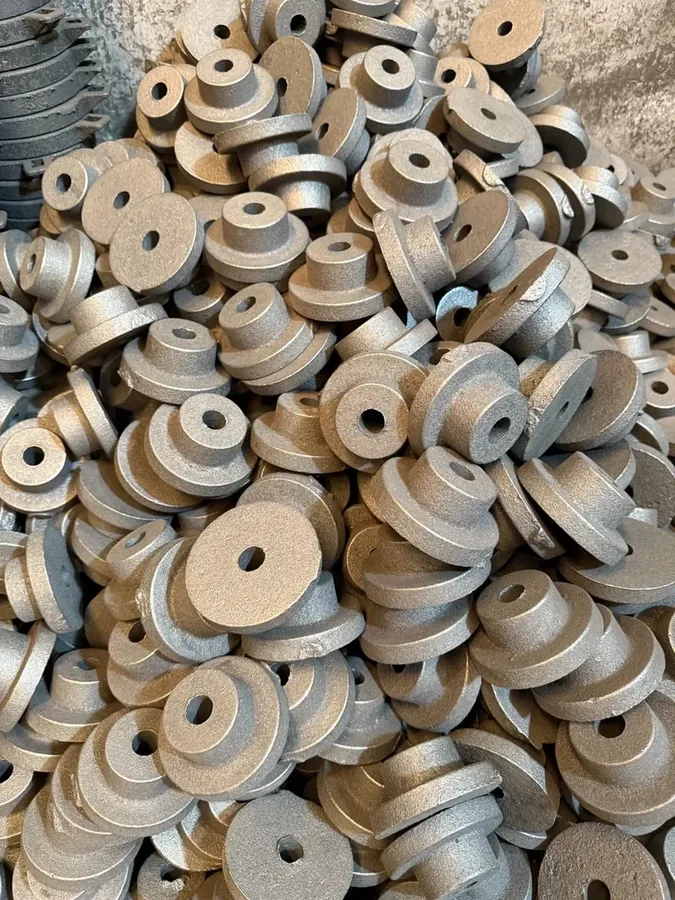
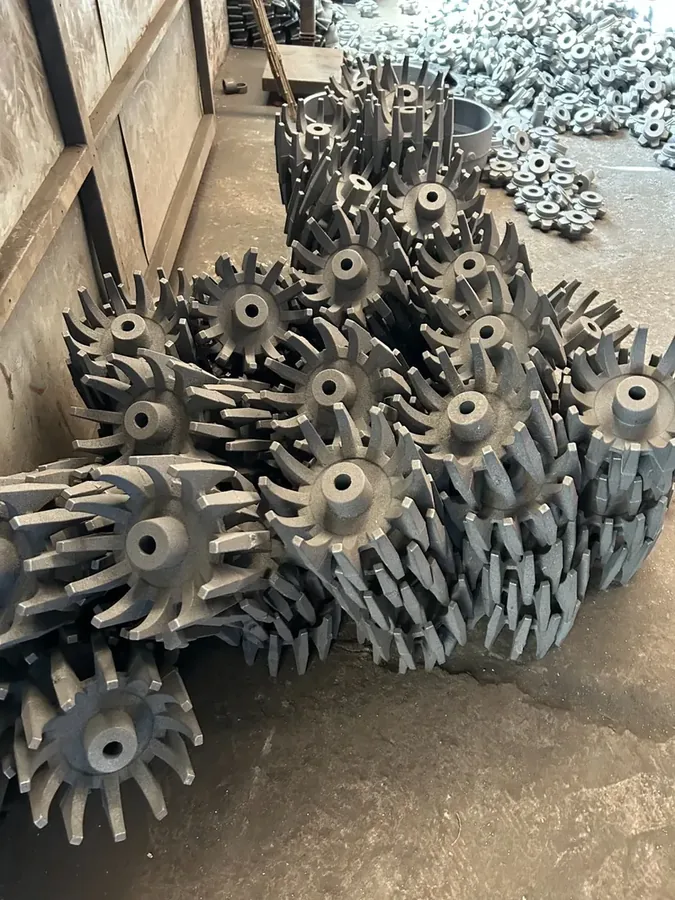
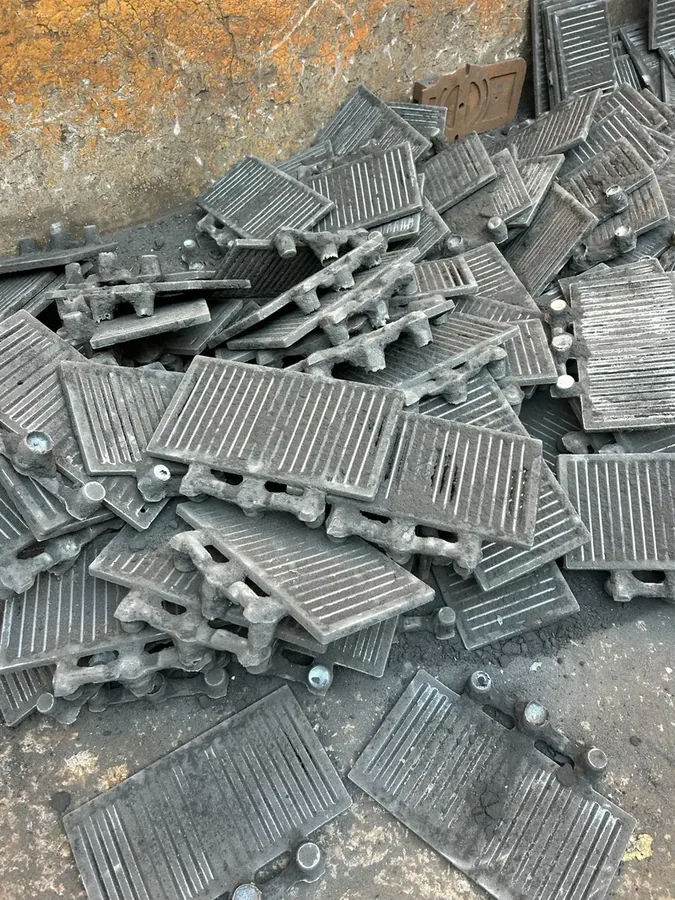
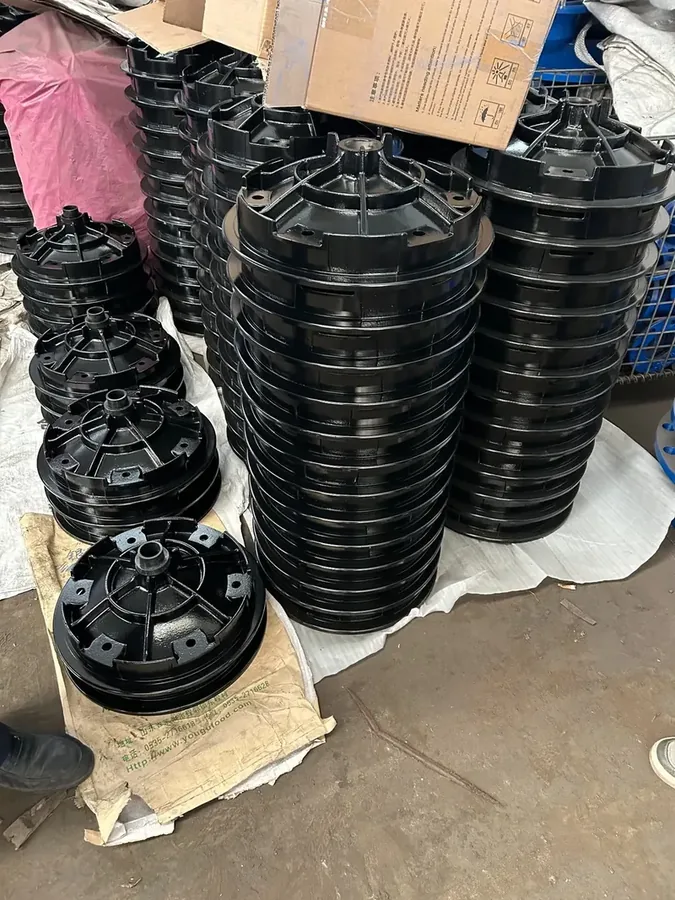
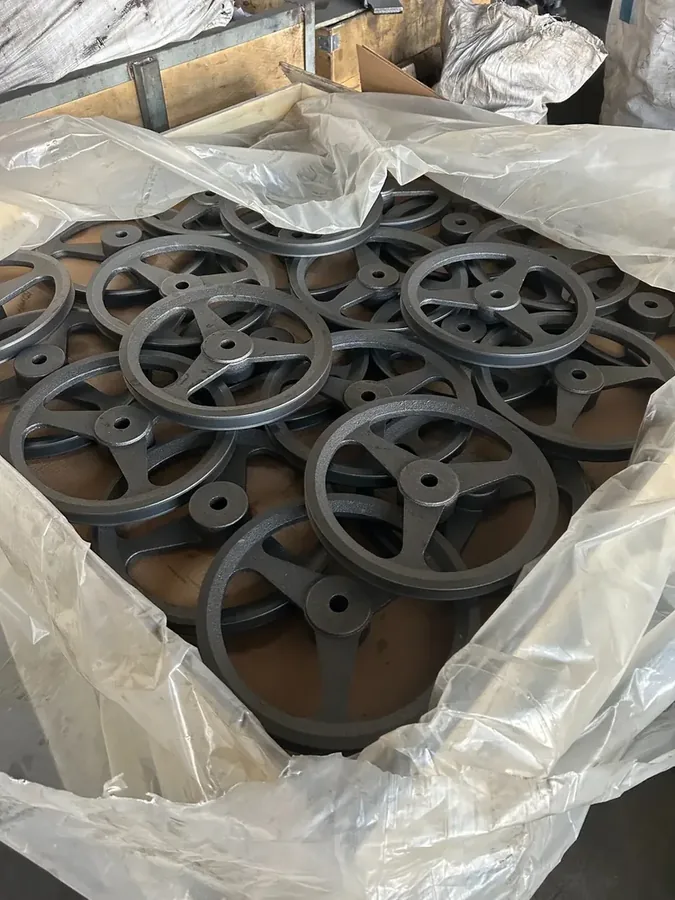
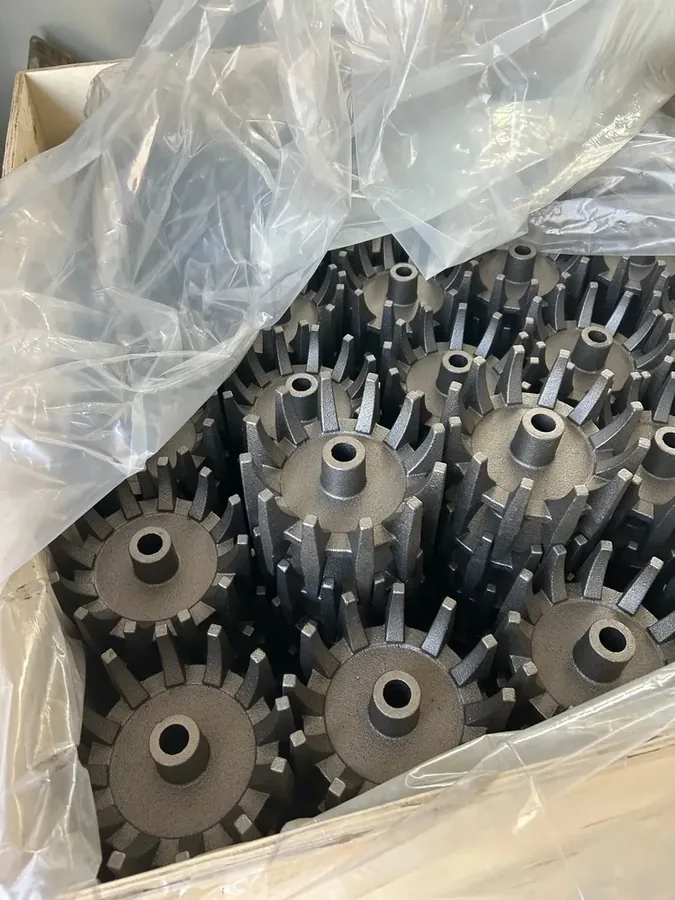
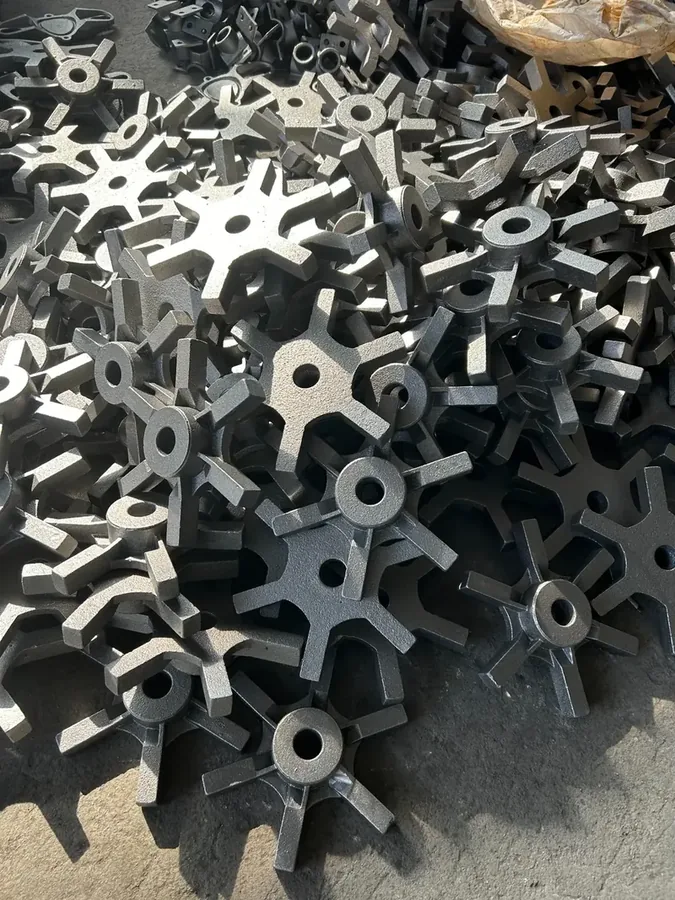
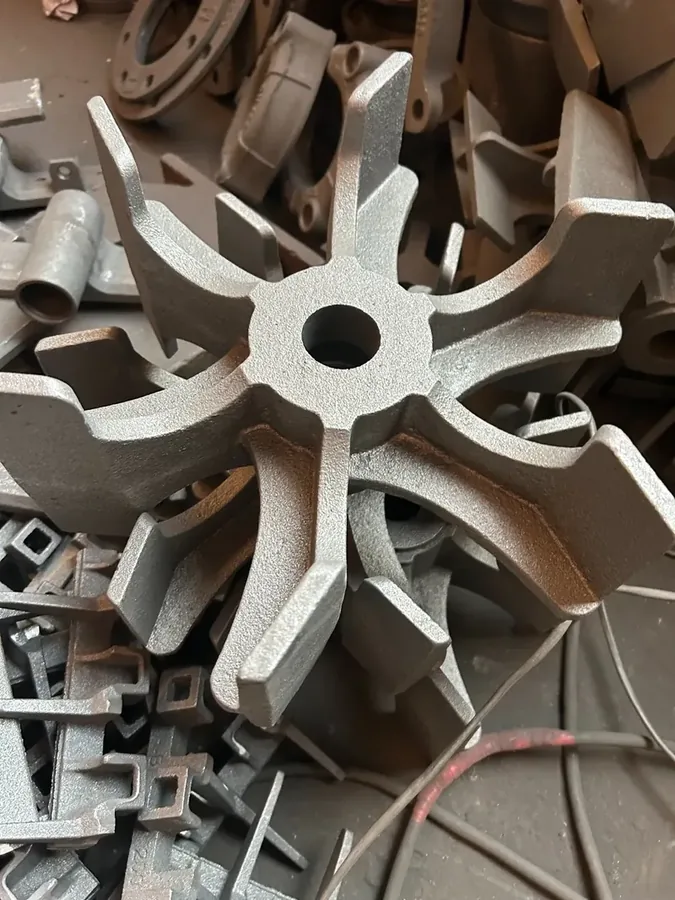
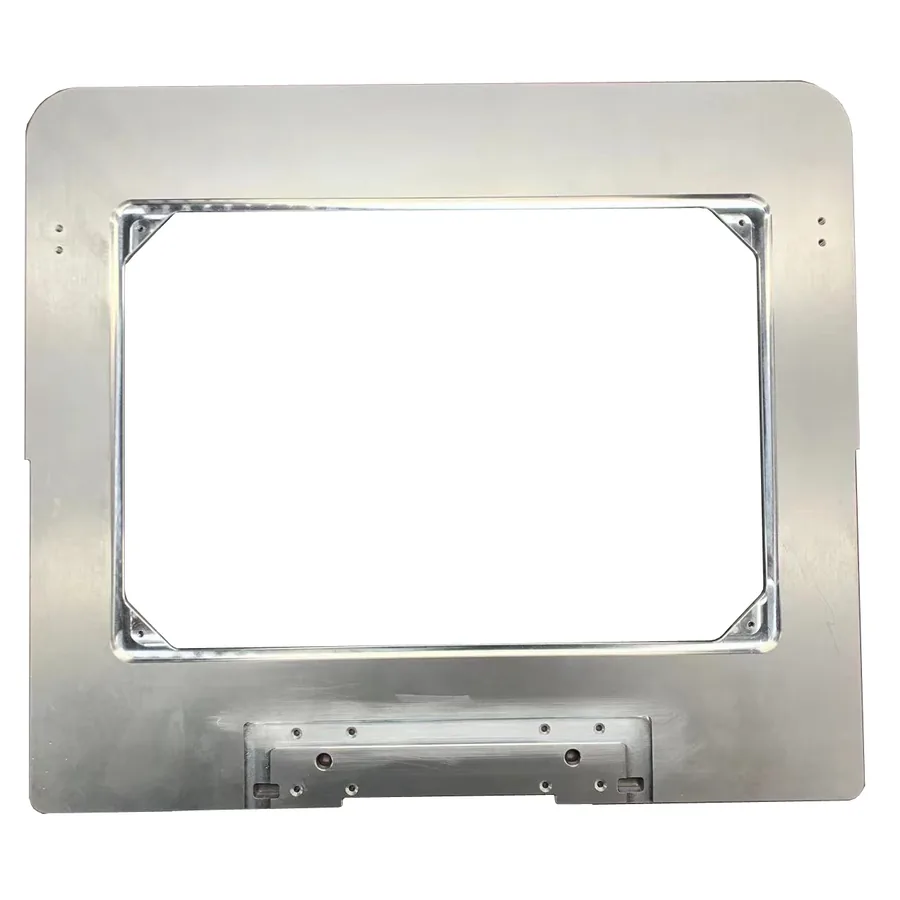
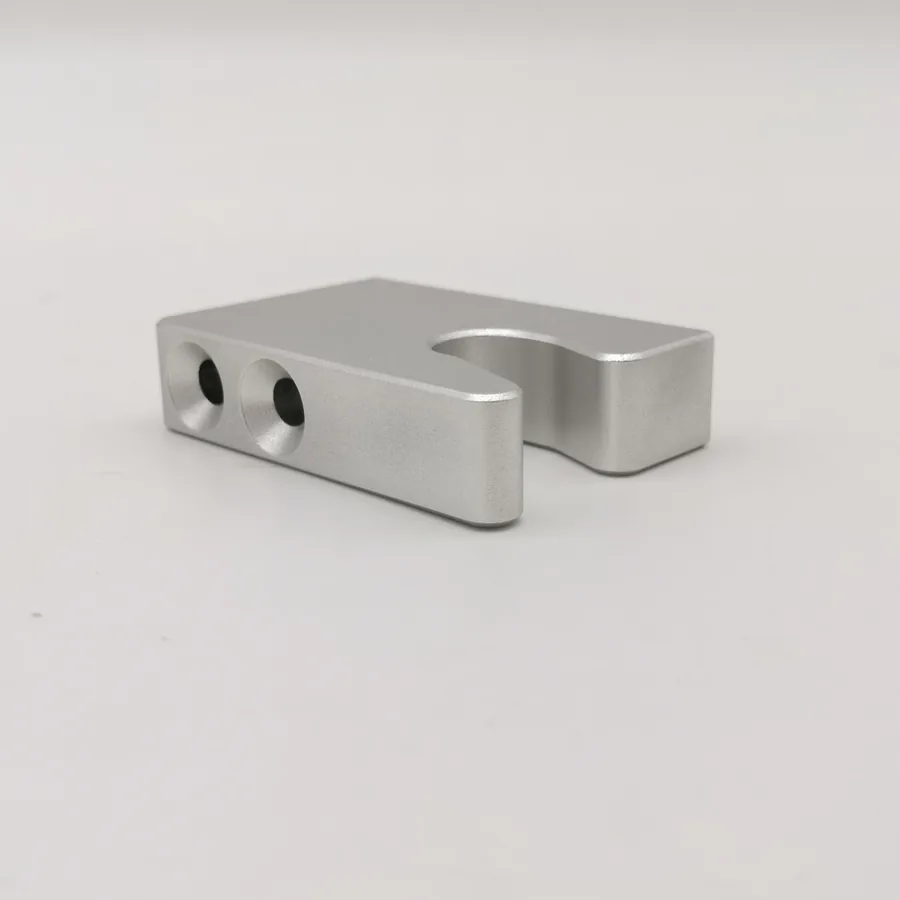
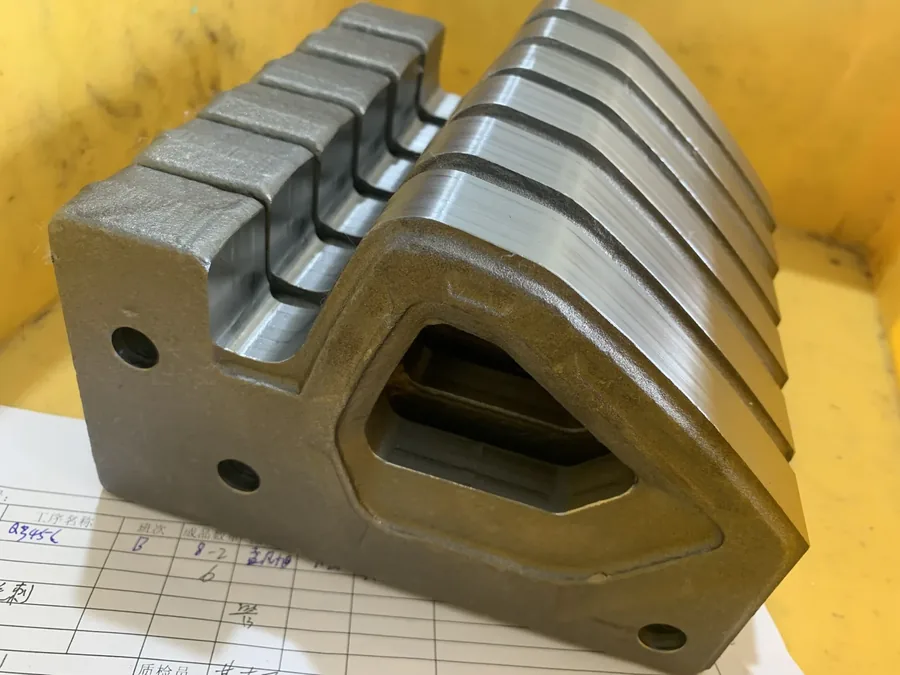
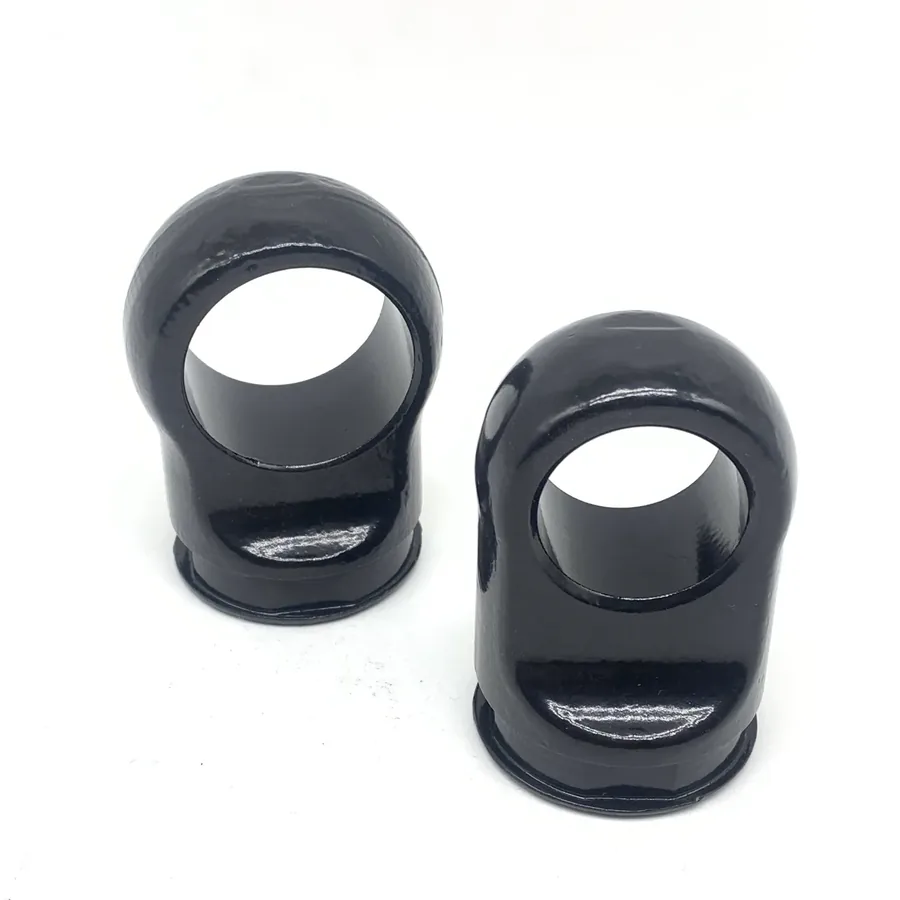
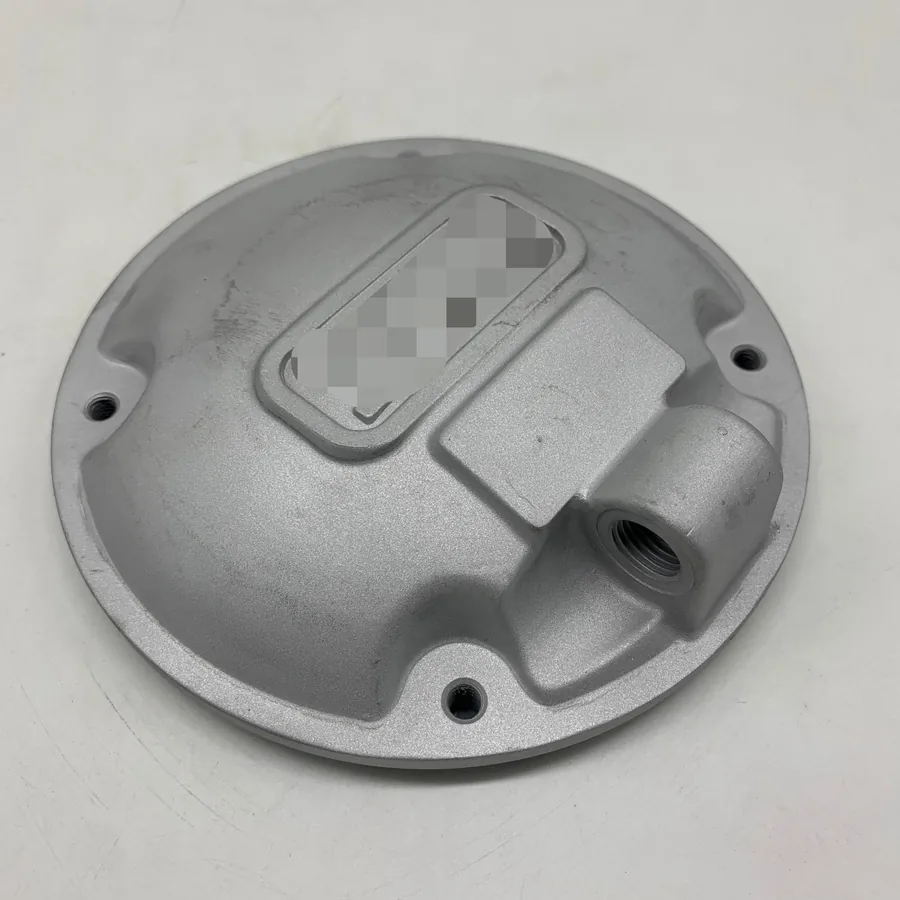
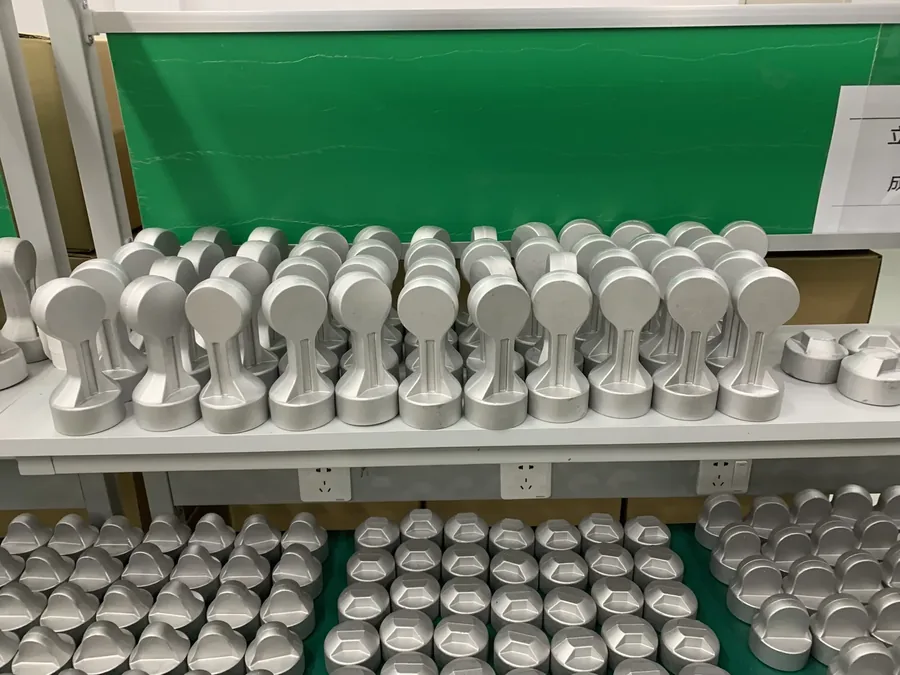
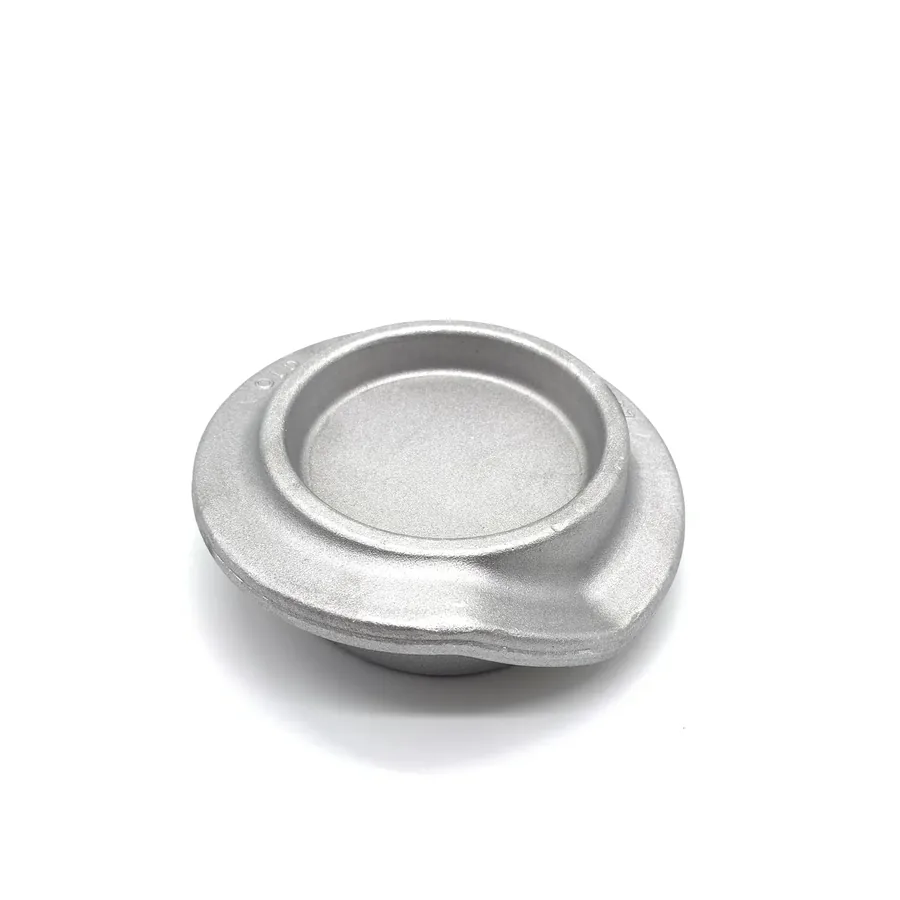
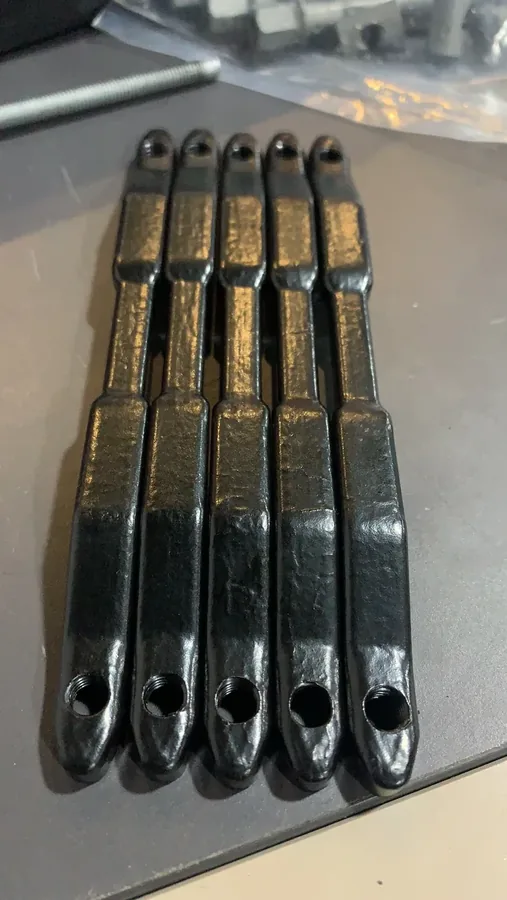
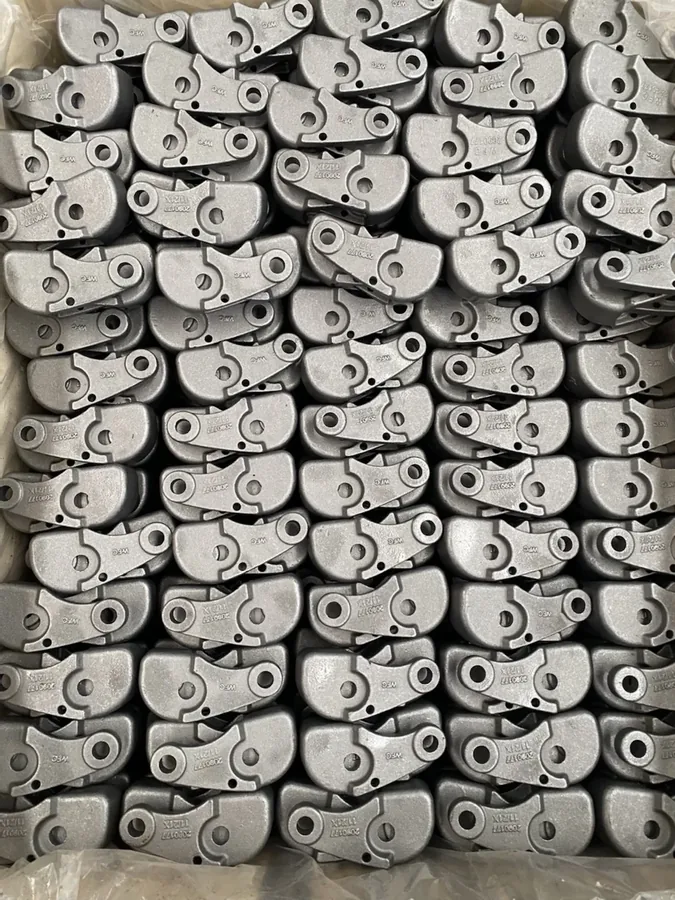
This project covers cast-iron replacement parts for agricultural and coffee-processing equipment. The parts themselves were not unusually complex. The real difficulty was the source information: old drawings, inconsistent dimensions, photographs that did not always match the latest drawing, and no reliable 3D models.
The Challenge
Before quoting and production, we had to convert incomplete legacy information into something manufacturable and confirm what the customer actually needed. Weight also mattered because it affected both casting cost and international freight. Simply copying the old geometry was not always the best answer.
Our Approach
We rebuilt the part in 3D from the available dimensions and product references, then prepared an updated 2D production drawing for confirmation. Questions were resolved step by step before the design was released for casting.
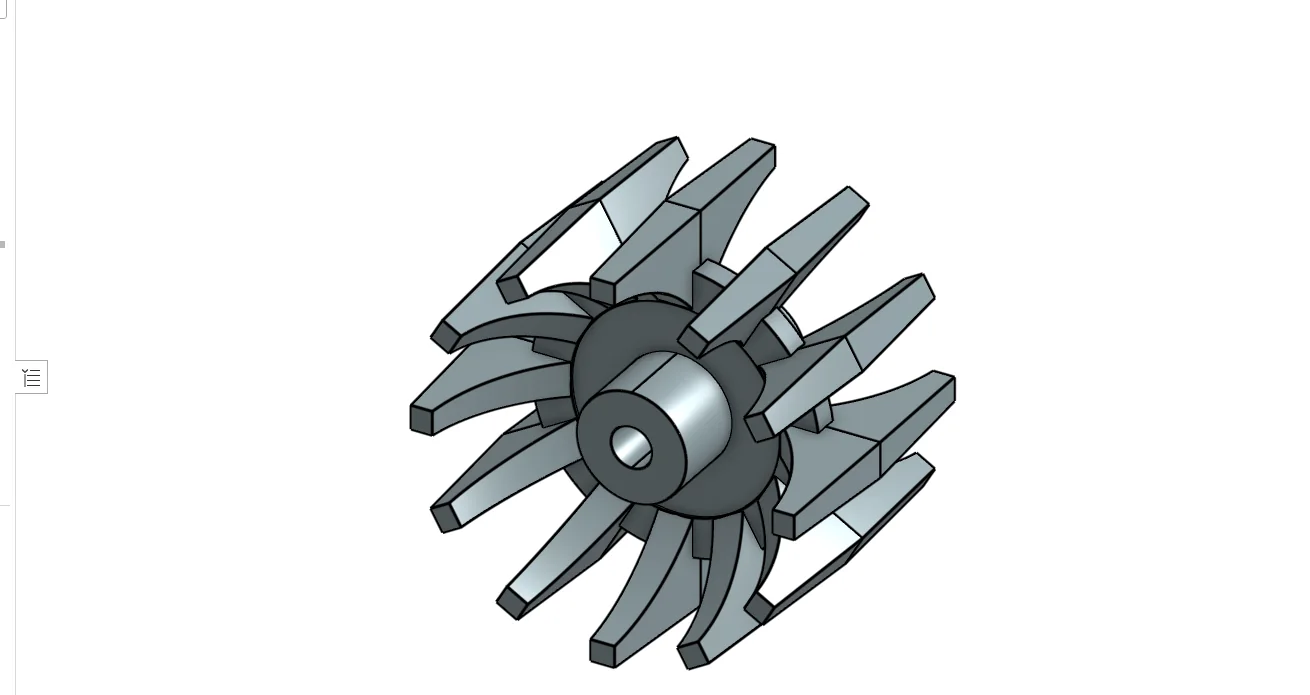
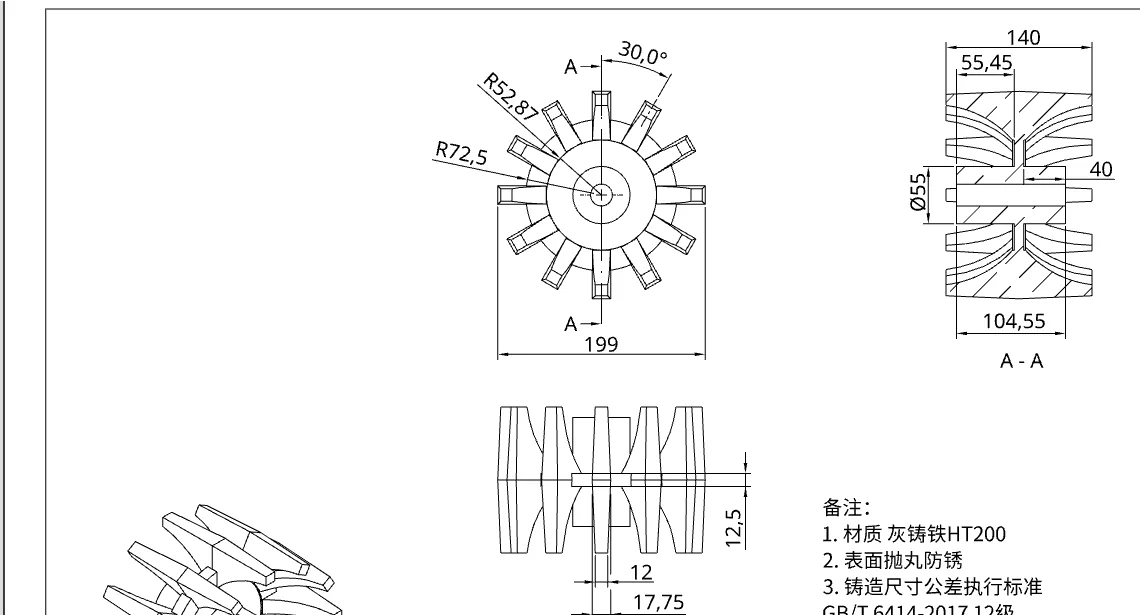
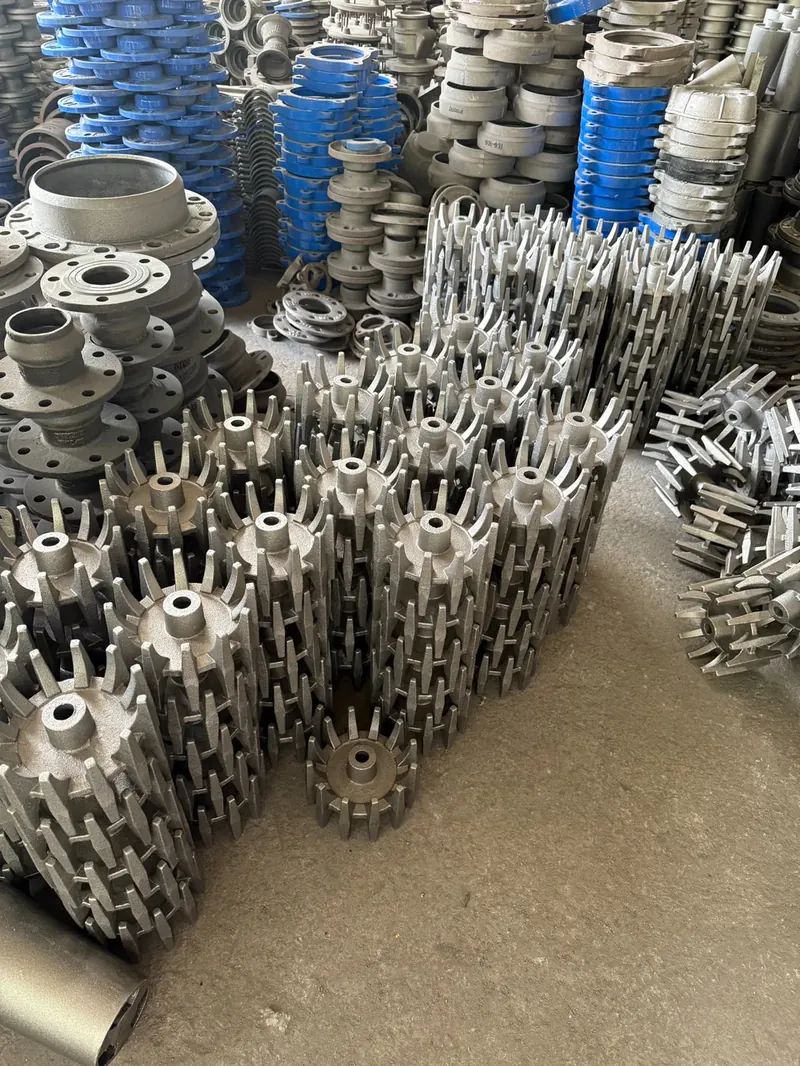
Where the initial cost exceeded the customer’s target, we reviewed the design for practical weight reduction. Wall thickness, draft angles and machining allowances were adjusted where possible while preserving the required interfaces and function. Casting and downstream machining were considered together so unnecessary stock was not added simply for convenience.
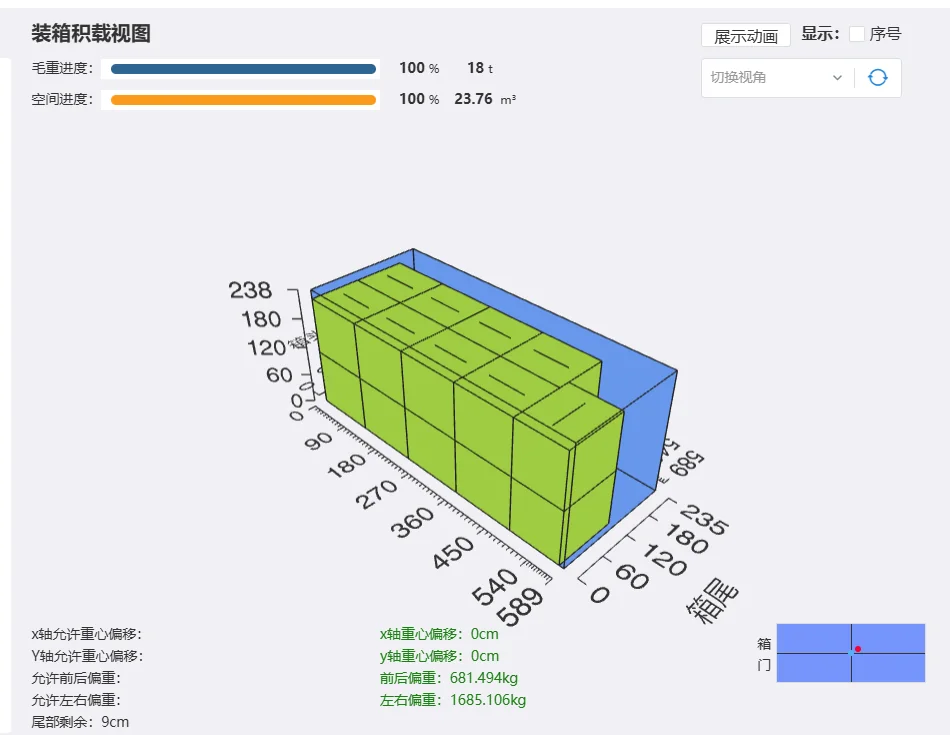
For export orders, packing and container utilization were also reviewed before shipment. When practical, purchase quantities and loading arrangements could be adjusted so the customer was not paying to ship unnecessary empty space.
Result
This project shows a different kind of manufacturing value: turning incomplete legacy information into production-ready data, then improving cost, weight and logistics without making the part more complicated than it needs to be.